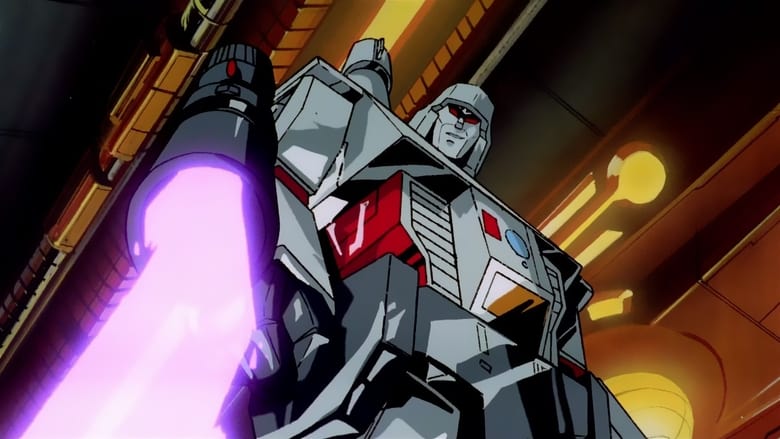
This article contains major spoilers for The Transformers: The Movie. Read only if you have already seen it.
When The Transformers: The Movie hit theaters in 1986, it did something unthinkable for a toy-based cartoon: it killed off nearly the entire cast, including the heroic Optimus Prime. This neon-drenched space opera remains a visceral, unforgettable touchstone for a generation of kids who weren't prepared for the crushing weight of Autobot mortality.
This deep dive celebrates four decades of intergalactic warfare, exploring the audacious storytelling choices, the legendary voice performances, and why this cult classic remains the defining moment of the entire franchise.
The Day Optimus Prime Died
In the mid-80s, Saturday morning cartoons were safe havens where good always triumphed over evil and injuries were rarely fatal. The Transformers: The Movie shattered this convention in its opening act, tasking viewers with watching their favorite mechanical heroes fall in a brutal ambush. It wasn't just a movie; it was a watershed moment that forced an entire generation to reconcile with permanent loss in fiction.
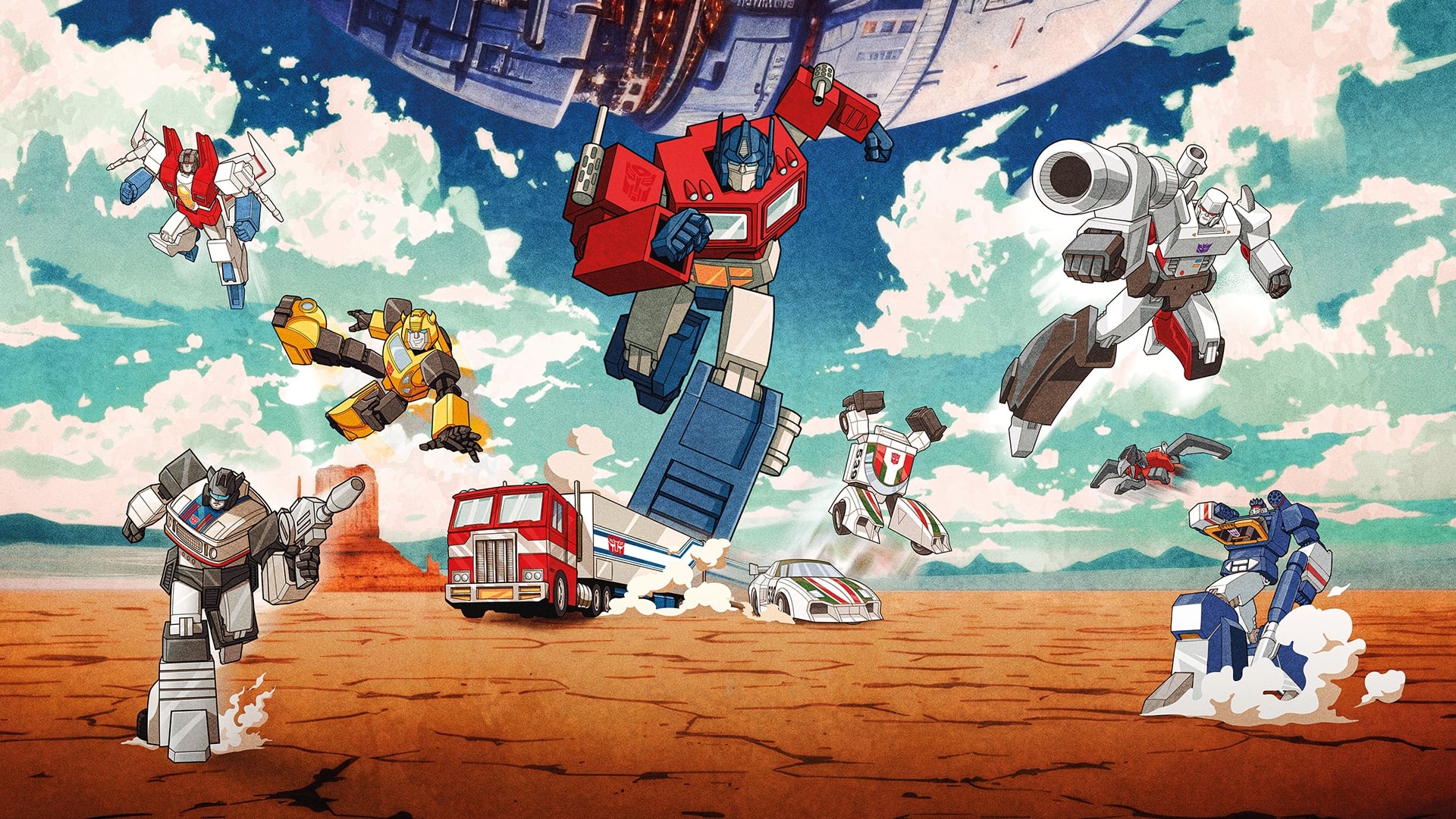
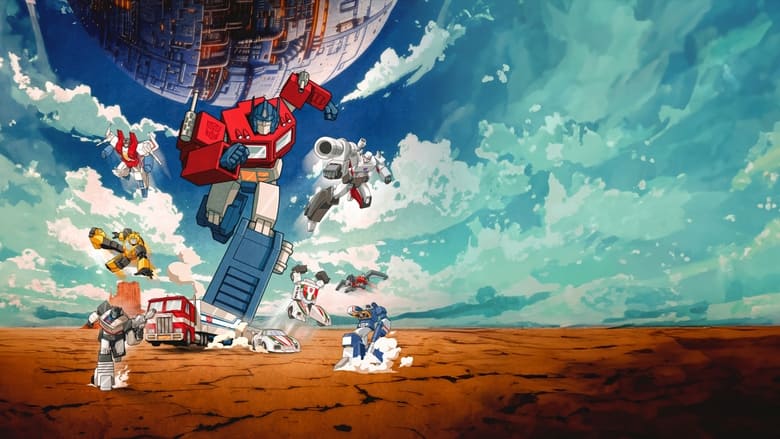
What worked: The sheer audacity of the script is unmatched to this day. By clearing the board, the writers forced a transition to a new generation of characters, proving that the Transformers universe was vast enough to survive without its primary pillar. The animation style, spearheaded by Toei Animation, remains breathtaking—vibrant, fluid, and far more cinematic than the series that preceded it.
The film doesn't just sell toys; it explores the cost of war, the burden of leadership, and the inevitability of change.
The Soundtrack That Defined a Generation
Few films in history are as intrinsically linked to their musical score as this 1986 outing. The pulsing synth-rock, coupled with Stan Bush’s 'The Touch,' elevated the film from a mere marketing tool to a legitimate cult rock opera. The music serves as the emotional backbone, transforming standard battles into high-stakes duels of character and resolve.
The Transformers: The Movie scene 1
What did not work: While the soundtrack is iconic, the pacing of the second act occasionally suffers under the weight of so many new characters introduced simultaneously. Newcomers like Hot Rod, Kup, and Arcee are given limited time to breathe, forced to contend with the iconic void left by the original cast. Despite this, the film manages to establish their personalities through pure, kinetic energy.
The Voices Behind the Metal
The vocal performances in this film are legendary, grounding the high-concept sci-fi in genuine pathos. Orson Welles, in his final film role, provided a voice for Unicron that remains the standard by which all other cinematic villains are judged. His gravitas added a Shakespearean weight to the chaos, turning a giant space-robot into an existential threat.
Orson Welles brings an undeniable, planet-sized menace to Unicron, elevating the stakes from a terrestrial war to a cosmic tragedy.
The verdict: Forty years later, the film stands as a triumph of hand-drawn animation and storytelling ambition. It remains the gold standard for how to expand an established franchise, refusing to play it safe even when it risked alienating the core audience.
The Transformers: The Movie scene 2
What Fans Are Saying
The defenders: Devoted fans argue that the film was an essential maturation of the brand. They point to the film's dark tone and high-stakes narrative as proof that animation could be as emotionally resonant as live-action cinema, citing the 'You Got The Touch' sequence as the peak of 80s motivation.
The critics: Some purists still look back with resentment, noting that the mass cull of characters felt more like a cynical corporate mandate to make room for new toys than a creative necessity. These critics argue that the abrupt ending of the 'Prime' era soured their childhood experience, even if they respect the film's technical execution.
The Transformers: The Movie scene 3
The middle: Most modern audiences find themselves in the middle, acknowledging that while the film was undeniably a commercial maneuver, it was executed with such style and heart that it transcended its origins. It occupies a unique space in pop culture: a corporate product that somehow became an authentic piece of art.
The Legacy of Cybertron
The impact of this movie cannot be overstated. It set the template for the 'event' film, proving that a brand could evolve if it was willing to burn the house down and start anew. Every live-action Transformers project that followed exists in the shadow of this 86-minute masterpiece, attempting to capture the same sense of scale and stakes.
Looking back, it is clear that this film was the moment the Transformers became a truly resilient franchise. By embracing the permanent change that death brings, it ensured that the Autobots and Decepticons were more than just plastic figures—they were characters who could endure, evolve, and inspire. The legacy of 1986 is not just the toys, but the stories that taught us how to grow up.