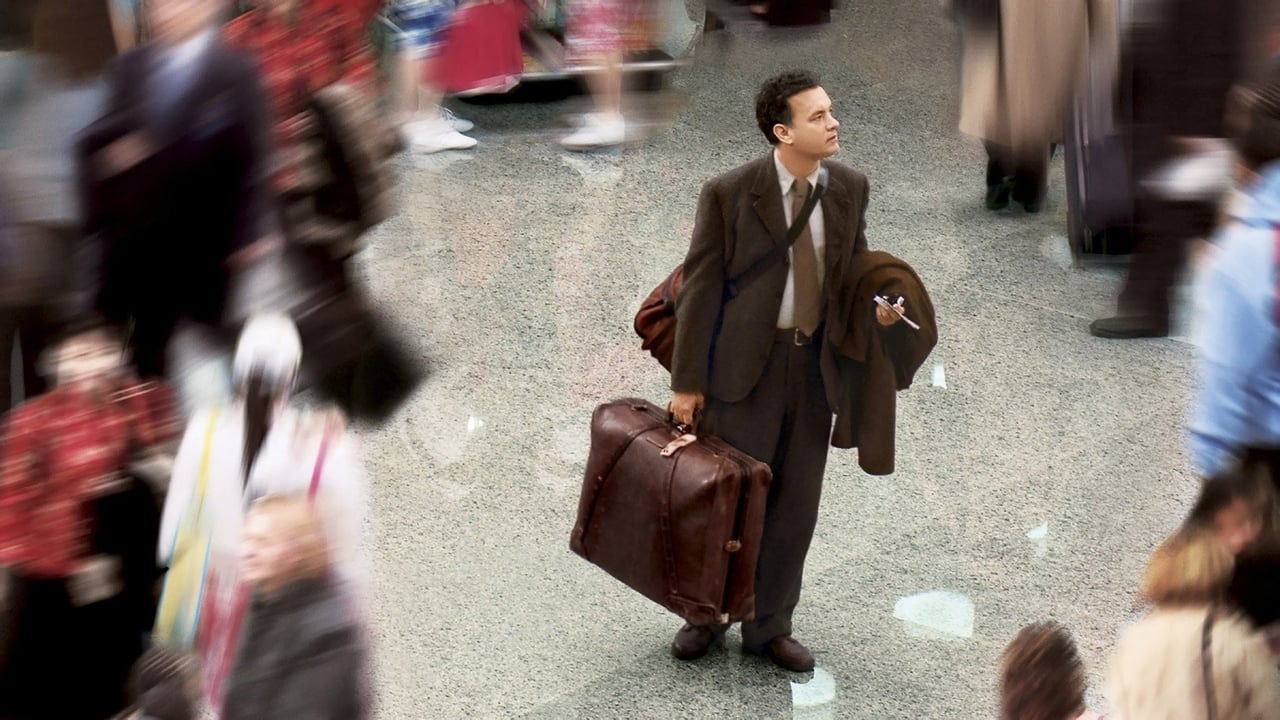
The Terminal True Story: The Real Man Behind Viktor Navorski
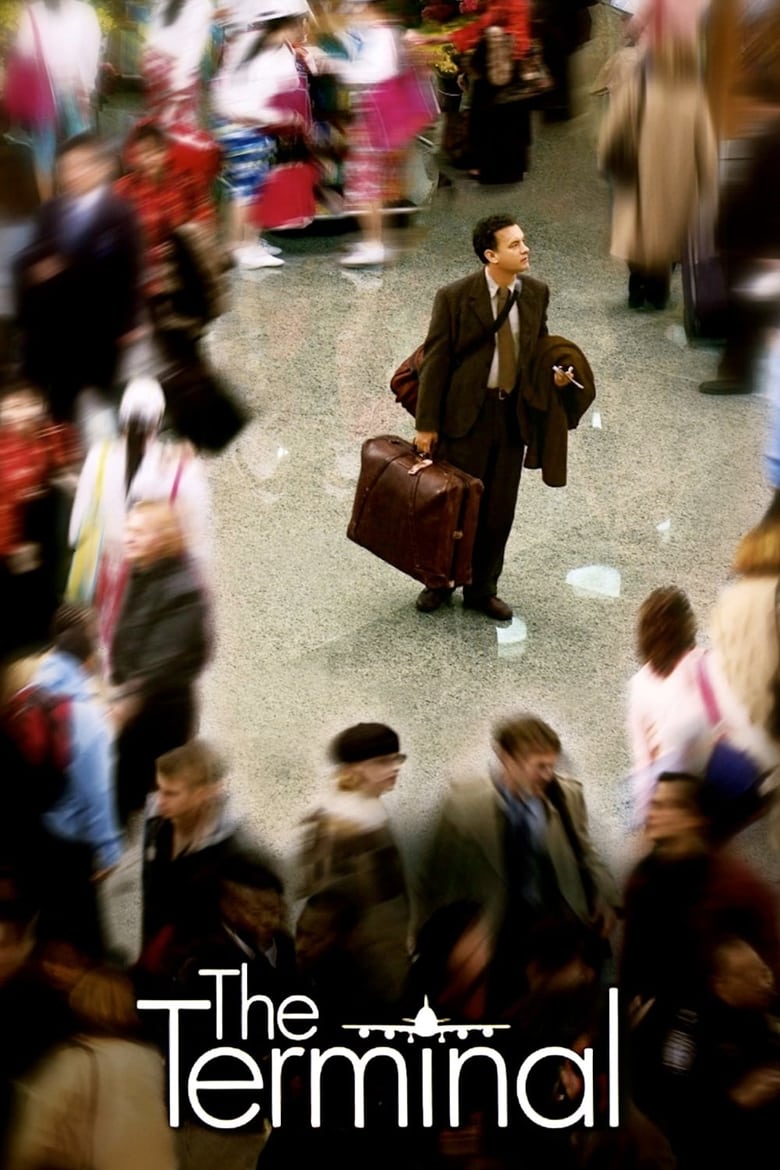
Steven Spielberg's The Terminal (2004), starring Tom Hanks as Viktor Navorski, a man trapped in JFK airport when his fictional country collapses, is one of the most beloved films of its decade. It is also, by the admission of its own studio, barely connected to the real story that inspired it. The real man lived in a Paris airport, not New York, for a different reason, and the romance and the country and the coup were all invented. Here is the real story of the man behind the film, and where the film left him behind.
The short answer: the film is inspired by Mehran Karimi Nasseri, an Iranian refugee who lived in a Paris airport terminal for 18 years, but the storyline, the location, the romance, and the cause of his entrapment were all invented for the movie.
Quick Answer
The Terminal follows Viktor Navorski, an Eastern European man who arrives at JFK to find his country, the fictional Krakozhia, has undergone a coup, invalidating his passport and stranding him in the airport terminal, where he builds a life over months. The film is inspired by the real case of Mehran Karimi Nasseri, who lived in Terminal 1 of Paris Charles de Gaulle Airport from 1988 to 2006. The studio's own materials noted that the storyline bears no resemblance to his actual experiences.
TL;DR: Inspired by a real stranded man, but almost everything specific to the film, the airport, the country, the coup, the romance, is invented.
The Real Story
Mehran Karimi Nasseri was an Iranian refugee who, in 1988, arrived at Paris Charles de Gaulle Airport. His attempt to enter the United Kingdom was blocked, and his refugee documentation was lost or invalidated during a transit through France. Declared stateless and unable to enter France legally or leave, he settled in Terminal 1 of the airport, living there for about 18 years, supported by airport staff and visitors, and known to the public as Sir Alfred, the name he preferred. He became a minor celebrity, and his case was the subject of earlier reporting and a 1993 French film, Lost in Transit, before Spielberg's film drew loosely on his situation.
Nasseri was eventually moved to a hospital in 2006 as his health declined, and he later lived in a shelter under the care of the French state. He returned to the airport for a time in 2022, according to reports, and died that year. He never lived in JFK, was never stranded by a coup, and never had the romance the film depicts.
"None of the studio's publicity materials mention Nasseri's story as an inspiration for the film, and the storyline bears no resemblance to Nasseri's experiences." — the record on how little the film used of the real man it was based on.
What the Movie Gets Right
The premise: A person can, in narrow legal circumstances, become stranded in an airport terminal, unable to enter the country or leave, and a real person did live this way for years.
The improvised life: The film's depiction of making a home in a terminal, befriending staff, and building routines is grounded in what Nasseri actually did for nearly two decades.
What the Movie Changes
The location: Viktor is stranded at JFK in New York. Nasseri lived in a Paris airport. The film moved the story across the Atlantic.
The cause: Viktor is stranded because his fictional country, Krakozhia, undergoes a coup that invalidates his passport. Nasseri was stranded because of lost refugee documentation and statelessness, a bureaucratic and personal tragedy, not a geopolitical one.
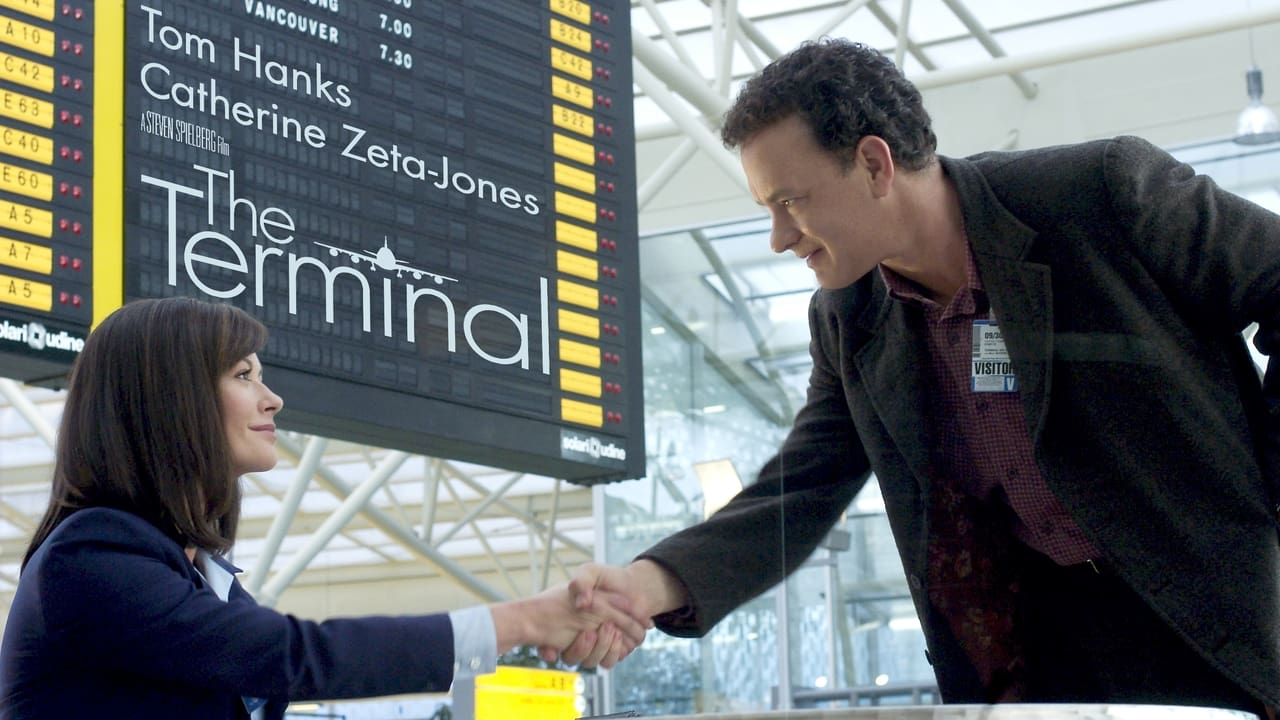
The romance: The relationship with the flight attendant played by Catherine Zeta-Jones is entirely invented. Nasseri had no such romance.
Real People vs Invented Characters
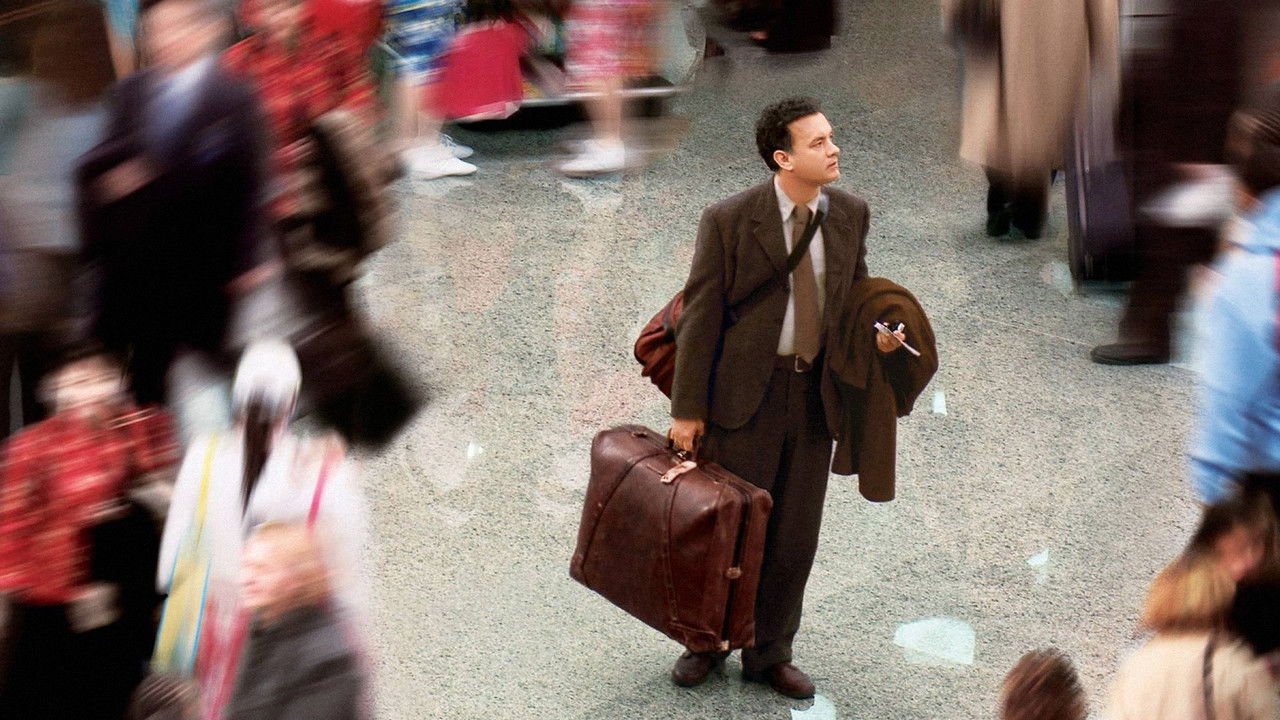
Viktor Navorski is inspired by Mehran Karimi Nasseri but is not a portrait of him. The country of Krakozhia is invented. The immigration official Frank Dixon, played by Stanley Tucci, is fictional. The flight attendant Amelia, played by Catherine Zeta-Jones, is fictional. The airport staff Viktor befriends are inventions. Tom Hanks based his characterization partly on his own father-in-law, Allan Wilson, a Bulgarian immigrant, rather than on Nasseri directly.
Invented Scenes and Dramatized Events
The country and the coup: The entire geopolitical frame, Krakozhia and its collapse, is invented to give Viktor a reason to be stranded.
The antagonist: The conflict with the immigration official who wants Viktor gone is a dramatic invention; Nasseri's situation was more bureaucratic than adversarial.
The resolution: The film's ending, in which Viktor finally leaves, is a story requirement the real man did not fulfill for 18 years and which he did not experience in the romanticized way the film suggests.
"The idea for the film may have originated from the story of Mehran Karimi Nasseri, also known as Sir Alfred, an Iranian refugee who lived in Terminal One of the Charles de Gaulle Airport, Paris from 1988 until 2006." The film used the situation and discarded the man.
Timeline of the Real Events
1988: Mehran Karimi Nasseri arrives at Paris Charles de Gaulle Airport and is stranded.
1988 to 2006: Nasseri lives in Terminal 1, becoming known as Sir Alfred.
1993: A French film, Lost in Transit, adapts his story.
2004: Spielberg's The Terminal is released, inspired loosely by Nasseri.
2006: Nasseri is moved to a hospital as his health declines.
2022: Nasseri dies, having briefly returned to the airport.

Why Hollywood Changed the Story
A romantic comedy needs a romance, a stranded man needs a reason to be stranded that an audience can understand in a sentence, and a story needs an ending. The real case, a stateless man stuck in a bureaucracy for 18 years, is a tragedy of paperwork, not a feel-good film. The film kept the situation, the airport and the improvised life, and replaced everything else with invention. The studio was honest about this, to the point of not even naming Nasseri in its publicity, which tells you how much it used.
Historical Context
Nasseri's case sat at the intersection of refugee law, statelessness, and bureaucracy, a person whom no system would claim and whom no system would release. His years in the terminal were a visible failure of the international refugee framework, and they became a story the public followed and the media returned to. The film turned that failure into a fable, which is what films do, and it left the real man in a Paris terminal for another two years after its release.
Frequently Asked Questions
Is The Terminal based on a true story?
Loosely. It is inspired by Mehran Karimi Nasseri, an Iranian refugee who lived in Terminal 1 of Paris Charles de Gaulle Airport from 1988 to 2006, but the studio noted the storyline bears no resemblance to his actual experiences.
Where did the real man behind The Terminal live?
Mehran Karimi Nasseri lived in Terminal 1 of Paris Charles de Gaulle Airport in France, not JFK in New York. He stayed there for about 18 years.
Did Viktor Navorski really fall in love at the airport?
No. The romance with the flight attendant played by Catherine Zeta-Jones is entirely fictional, as is the invented country of Krakozhia and the military coup that strands Viktor in the terminal.
Why was Mehran Karimi Nasseri stuck at the airport?
He was an Iranian refugee whose entry to the United Kingdom was blocked and whose refugee documents were lost or invalidated, leaving him stateless and unable to enter France or leave, not stranded by a coup.
Final Verdict
The Terminal is a warm, invented film built on the barest outline of a real life. The premise, a person stranded in an airport for years, is real and belonged to Mehran Karimi Nasseri. The airport, the country, the coup, the romance, the antagonist, and the ending are all invented, and the studio acknowledged that the storyline does not match Nasseri's experiences. The film is true to the feeling of making a home in a transit space and false to almost everything else. If you want the real story, read the reporting on Nasseri, who lived in a Paris terminal for 18 years for reasons the film never tried to tell.
The film gave Viktor an ending. The real man waited nearly two decades for one the world never quite gave him.
Related True Story Guides
Written by StreamRoulette Editorial
You May Also Like


Not Sure What to Watch Next?
StreamRoulette picks your next film in seconds — based on mood, genre, or platform.
Try StreamRoulette