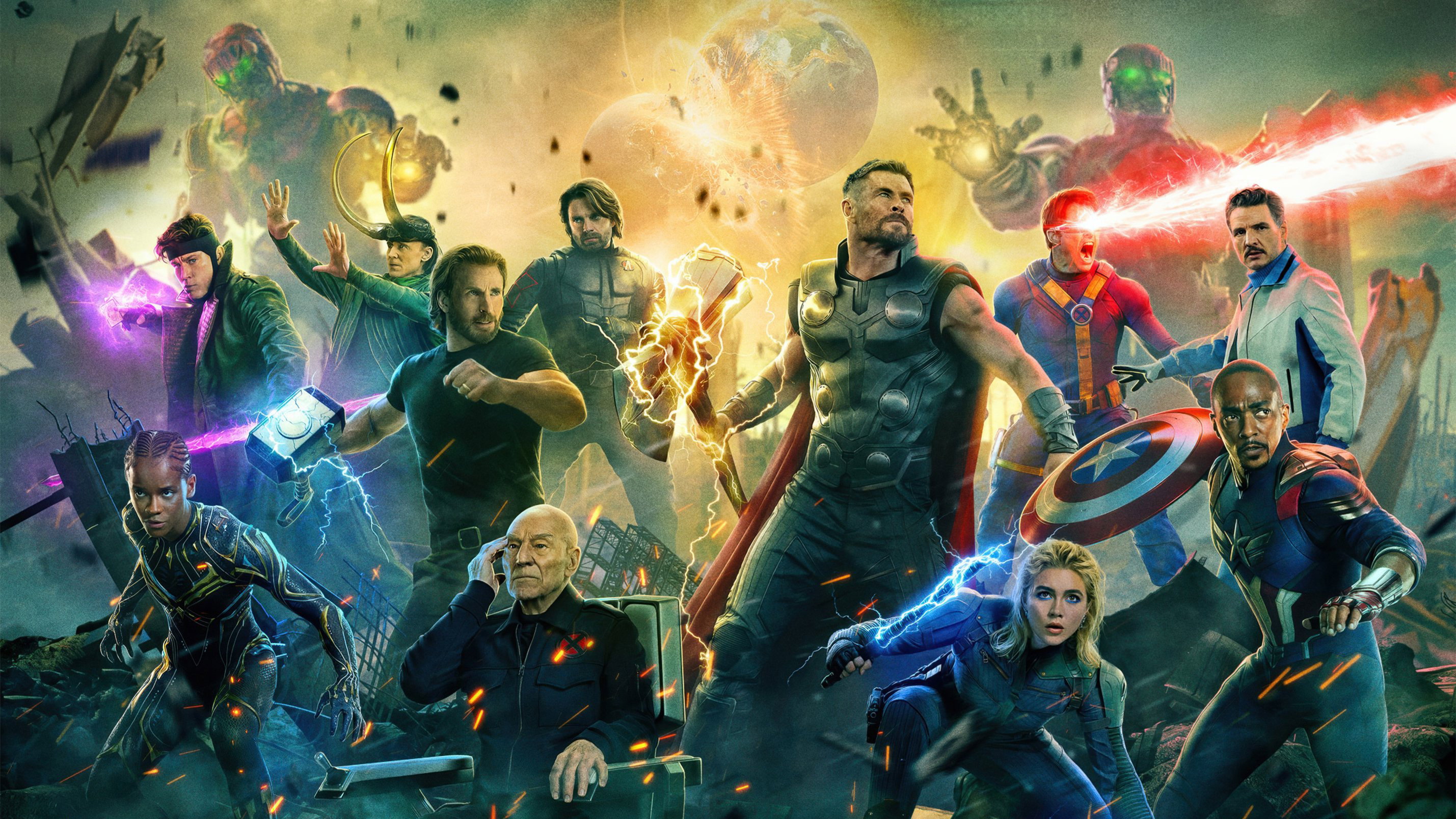
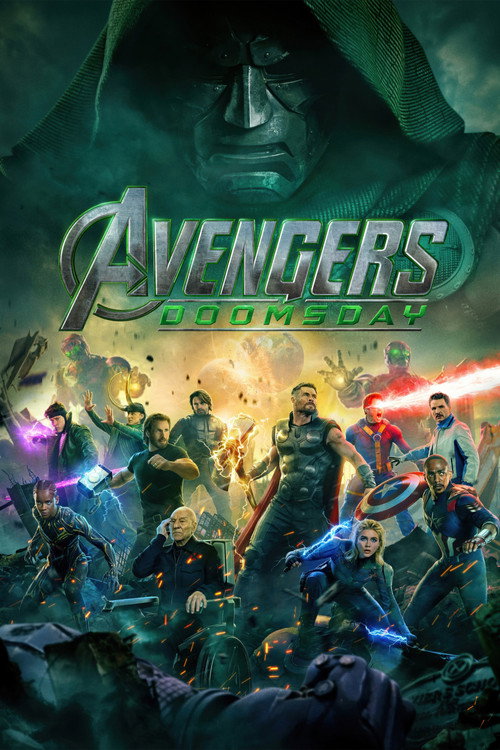
The Marvel Cinematic Universe stands at a critical crossroads, moving from the relentless pace of the Infinity Saga into a more calculated, quality-over-quantity approach. As the studio grapples with shifting audience expectations and the weight of an expanding multiverse, the path forward requires more than just new faces in costumes.
This analysis examines strategic course corrections, the impact of multiverse fatigue, and how upcoming projects like Avengers: Doomsday aim to redefine the franchise's identity for a new generation of viewers.
The Quality Over Quantity Pivot
For years, the sheer volume of MCU content—across both theatrical releases and Disney+ series—created an impenetrable barrier to entry for casual fans. Following the end of the Infinity Saga, the rapid-fire release schedule led to concerns regarding visual effects quality and narrative cohesion. The studio’s current focus on slowing down the production pipeline is not merely a reaction to box office dips; it is a fundamental shift in business philosophy.
What worked: By reducing the number of projects per year, Marvel is allowing creative teams more time to iterate on scripts and visual language, which is essential for maintaining the "event" status that defined the MCU's early years. What did not work: The previous strategy of flooding the market created a sense of homework for viewers, which ultimately eroded the anticipation that typically accompanies a blockbuster release. The verdict: This slower cadence is the only viable path to restoring the brand's premium status.
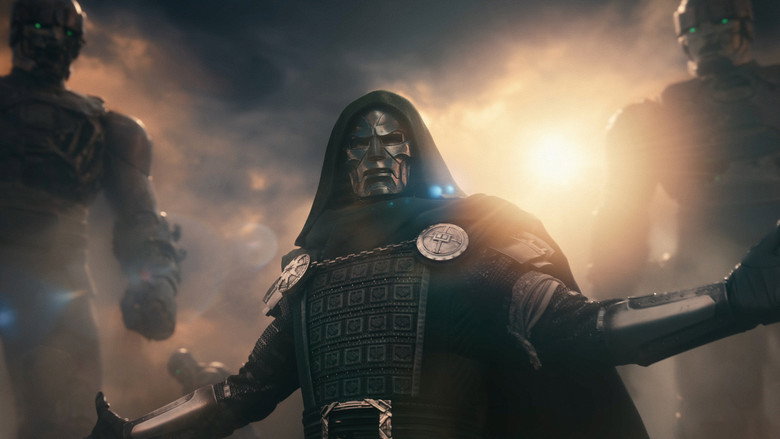
Avengers: Doomsday scene 1
The future of Marvel is not about how many projects we release, but how much impact each project leaves on the cultural landscape. A story worth telling is always worth the extra time in the edit.
Navigating Multiverse Fatigue
The introduction of the multiverse was meant to be the ultimate sandbox for storytelling, allowing for endless cameos and legacy character returns. However, what was intended to be a narrative superpower quickly became a crutch. Audiences have begun to feel that stakes are minimized when death is treated as a temporary setback or a plot point to be swapped out with a variant from another timeline.
The defenders: Many long-time comic fans appreciate the fidelity to "Secret Wars" and other reality-bending source materials, noting that the MCU is finally leaning into its comic book roots. The critics: Casual viewers find the rules of the multiverse confusing, often citing a lack of emotional grounding in the recent slate of films. The middle: There is a growing consensus that the multiverse works best when kept as a background mechanism rather than the central driver of every single plot thread.
The Stakes of Avengers: Doomsday
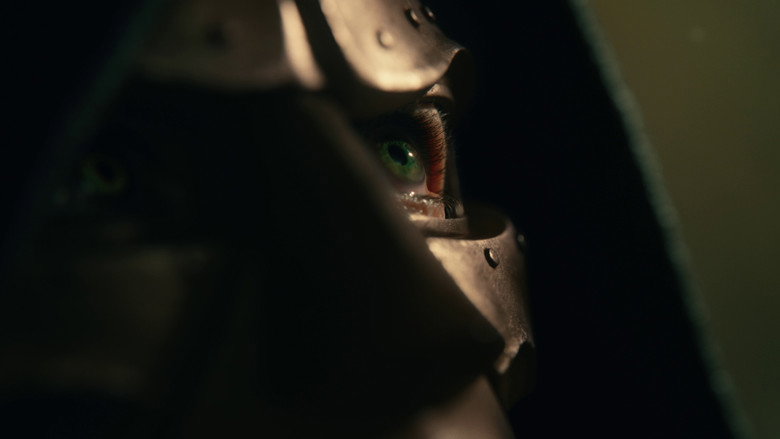
The announcement of Avengers: Doomsday and the return of key creative figures signal a return to the ensemble-driven storytelling that defined the MCU’s peak. By refocusing on a central antagonist—in this case, centered around the threat of Doctor Doom—Marvel is attempting to synthesize the various threads of the Multiverse Saga into a singular, cohesive narrative climax.
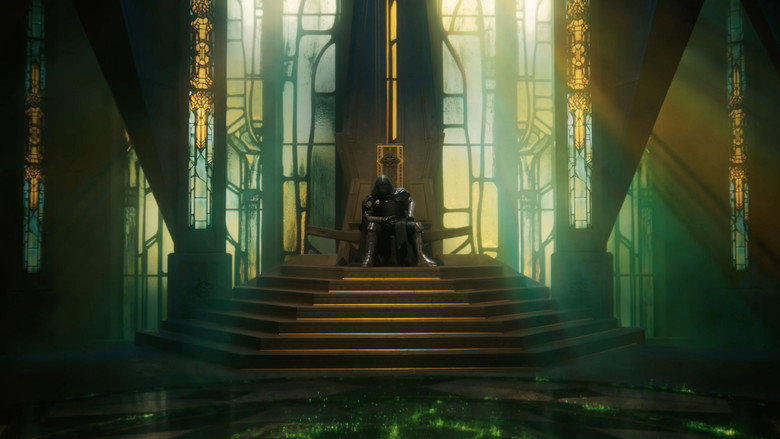
Avengers: Doomsday scene 2
A villain is only as compelling as the shadow they cast over the hero. If Doctor Doom is the future of the MCU, he must be more than just a boss fight; he must be a mirror to our own hubris.
The challenge for Marvel is ensuring that this "re-centering" does not alienate viewers who have skipped previous Disney+ entries. If the film relies too heavily on lore established in lower-performing streaming series, it risks replicating the very fragmentation the studio is currently trying to fix.
The Future of Street-Level Heroes
While the cosmic threats loom large, the success of more grounded, character-driven projects suggests that the future of the MCU may also live in the streets. The integration of characters like Daredevil and the Punisher indicates a desire to balance high-concept multiverse epics with grittier, more intimate storytelling styles.
Avengers: Doomsday scene 3
Strategic integration: By treating street-level content as a distinct sub-genre within the wider universe, Marvel can cater to fans who prefer suspense and choreography over spectacle and CGI-heavy set pieces. This diversification of tone is likely to be the studio's primary strategy for keeping the brand fresh through the end of the decade.
Conclusion: The Path Forward
The Marvel Cinematic Universe is not dead, nor is it in a state of terminal decline. It is simply in the middle of a necessary, albeit painful, maturation process. Moving forward, the franchise must prove that it can still surprise audiences who feel they have seen every trick in the book. Success in the coming years will be measured not by box office records alone, but by the ability to balance legacy character reverence with the courage to tell new, human-focused stories.