The Caped Crusader has always been the pillar of DC cinema, yet he currently finds himself in an unprecedented state of narrative fragmentation. With multiple versions of the character coexisting across different mediums, the studio faces the difficult task of maintaining brand identity without diluting the icon's appeal.
This analysis examines the strategic shift at DC Studios, the future of the 'Elseworlds' label, and the complex challenge of balancing the Reeves-Verse against the emerging DCU Brave and the Bold project.
The Multiverse Dilemma
For decades, Batman functioned as a singular cinematic anchor, but the current industry climate has shifted toward a multi-platform strategy that embraces parallel timelines. By maintaining Matt Reeves’ grounded, noir-inspired world alongside James Gunn’s upcoming shared universe, DC is attempting to serve two distinct audiences simultaneously. What works: This approach allows for tonal diversity, ensuring that fans of gritty crime procedurals and those who want a fantastical, comic-accurate Bat-Family can both be satisfied.
What did not work: The confusion among casual moviegoers regarding which version is 'canon' remains a persistent issue. When audiences are confronted with multiple live-action incarnations of the same character within a short timeframe, it creates a brand dilution that is difficult to manage. The verdict: The studio must lean into branding these disparate projects with absolute clarity to avoid the fatigue that has plagued other major comic book franchises recently.
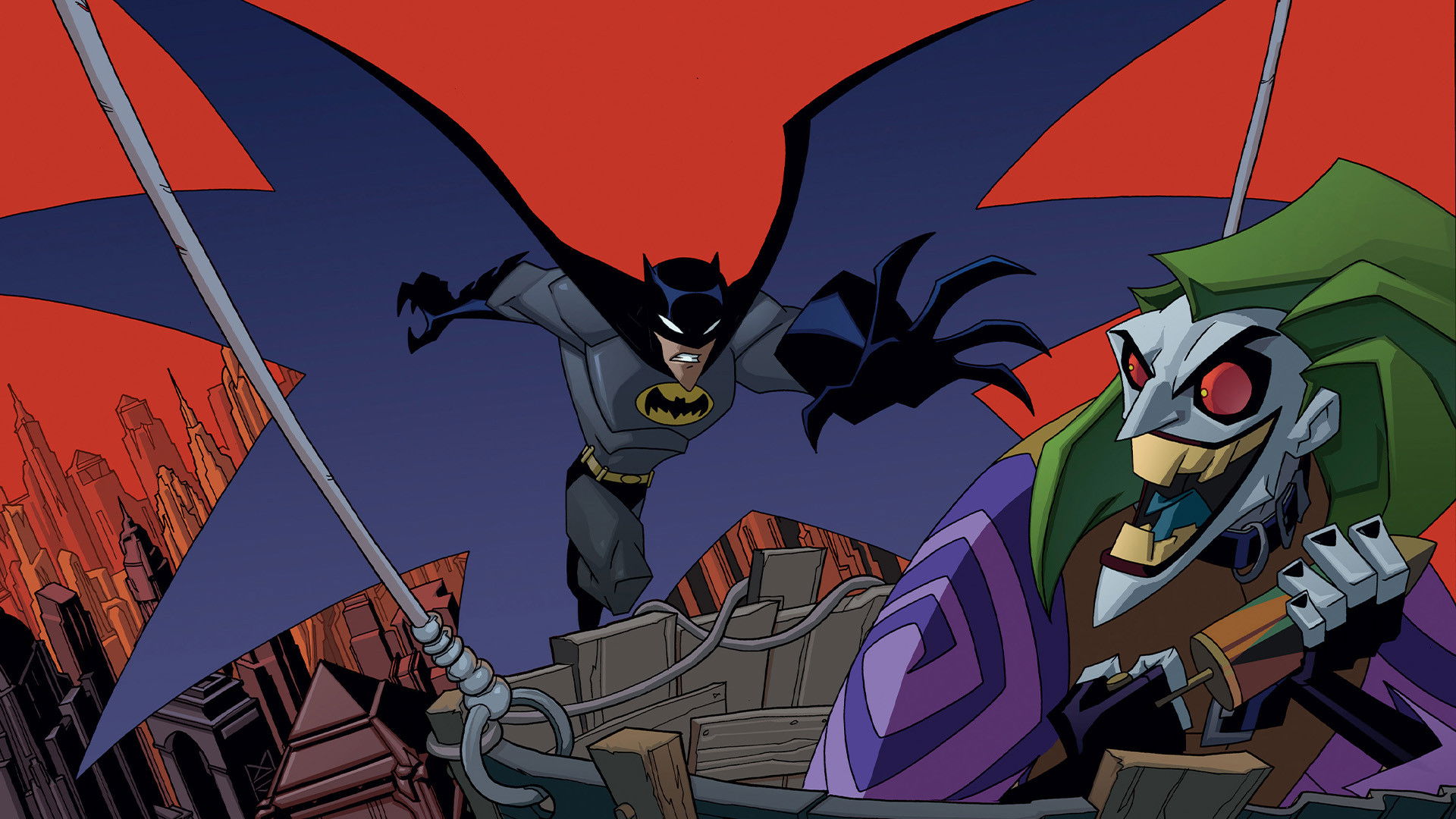
The Batman scene 1
The challenge isn't whether audiences love Batman, but whether they can stay invested in three different versions of Gotham at the same time.
The Reeves-Verse and Creative Autonomy
Matt Reeves has successfully carved out a niche that favors atmospheric storytelling over interconnected cameos. By treating the Batman franchise as a prestige crime saga, the production team has elevated the character's aesthetic significantly. Bold creative choices have defined this era, focusing on the detective element rather than the superhero spectacle that dominates the genre.
What fans are saying:The defenders: Many viewers appreciate the grounded nature of the films, citing the lack of reliance on multiverse gimmicks as a breath of fresh air. The critics: Some fans of the broader DC lore find the exclusion of superpowered threats limiting, arguing that Batman is defined by his ability to punch up against gods. The middle: Most agree that as long as the quality of the scripts remains high, there is plenty of room for both a standalone gritty series and a wider, more interconnected DCU.
The Batman scene 2
Batman is the only character who can carry two entirely different cinematic styles at once, but that endurance is not infinite.
Navigating the Brave and the Bold
The upcoming DCU entry, directed by Andy Muschietti, represents a return to the classic comic book roots of the character, specifically focusing on the dynamic between Bruce Wayne and his son, Damian. This project is a direct pivot away from the loner archetype that audiences have seen for the last twenty years. Strategic importance: Introducing the Bat-Family allows the studio to expand the lore beyond Gotham’s streets and into the larger cosmic conflicts of the Justice League.
What to expect: This new iteration aims to lean into the more colorful, gadget-heavy, and team-oriented aspects of Batman's history. It represents a significant tonal shift that requires careful execution to avoid alienating fans who have grown accustomed to the somber, brooding depictions of the past decade. The impact: If successful, this film could finally validate the idea of an interconnected universe where Batman is not just a protector, but a mentor.
The Batman scene 3
The Longevity of the Dark Knight
Ultimately, the future of Batman depends on the studio’s ability to differentiate products while maintaining the core tenets of the character. The ultimate test will be whether the audience perceives these versions as competitors or complements. By segmenting the character into 'Elseworlds'—where creative freedom is prioritized—and the 'DCU'—where shared universe synergy is key—Warner Bros. is playing a high-stakes game of brand management.
Looking forward: We are likely to see a period of intense competition for audience attention. The success of these projects will hinge not on the number of Batmen on screen, but on the strength of the individual stories being told. The final takeaway is clear: as long as the character remains relevant through diverse storytelling, the franchise will remain the most valuable asset in the comic book industry.