When rumors first began swirling that Quentin Tarantino and David Fincher were discussing a collaborative project, few expected it to center on the most enigmatic stuntman in Hollywood history. Now, reports suggest that the duo is exploring a new chapter for Once Upon a Time in Hollywood's Cliff Booth, bridging Tarantino's kinetic, dialogue-heavy style with Fincher's clinical, razor-sharp precision.
This article explores the confirmed reports, the creative intersection of these two titans, and what fans can expect from a project that pairs the visceral energy of Once Upon a Time with the methodical suspense of a Fincher thriller.
The Unlikely Collision of Two Auteurs
The prospect of Quentin Tarantino and David Fincher collaborating is essentially the 'holy grail' for cinephiles. For decades, these directors have operated as distinct poles in modern American cinema: Tarantino as the rhythmic, nostalgic pulp stylist, and Fincher as the cold, calculating master of procedural dread. While both share an obsession with technical perfection, their methodologies have historically kept them in separate orbits.
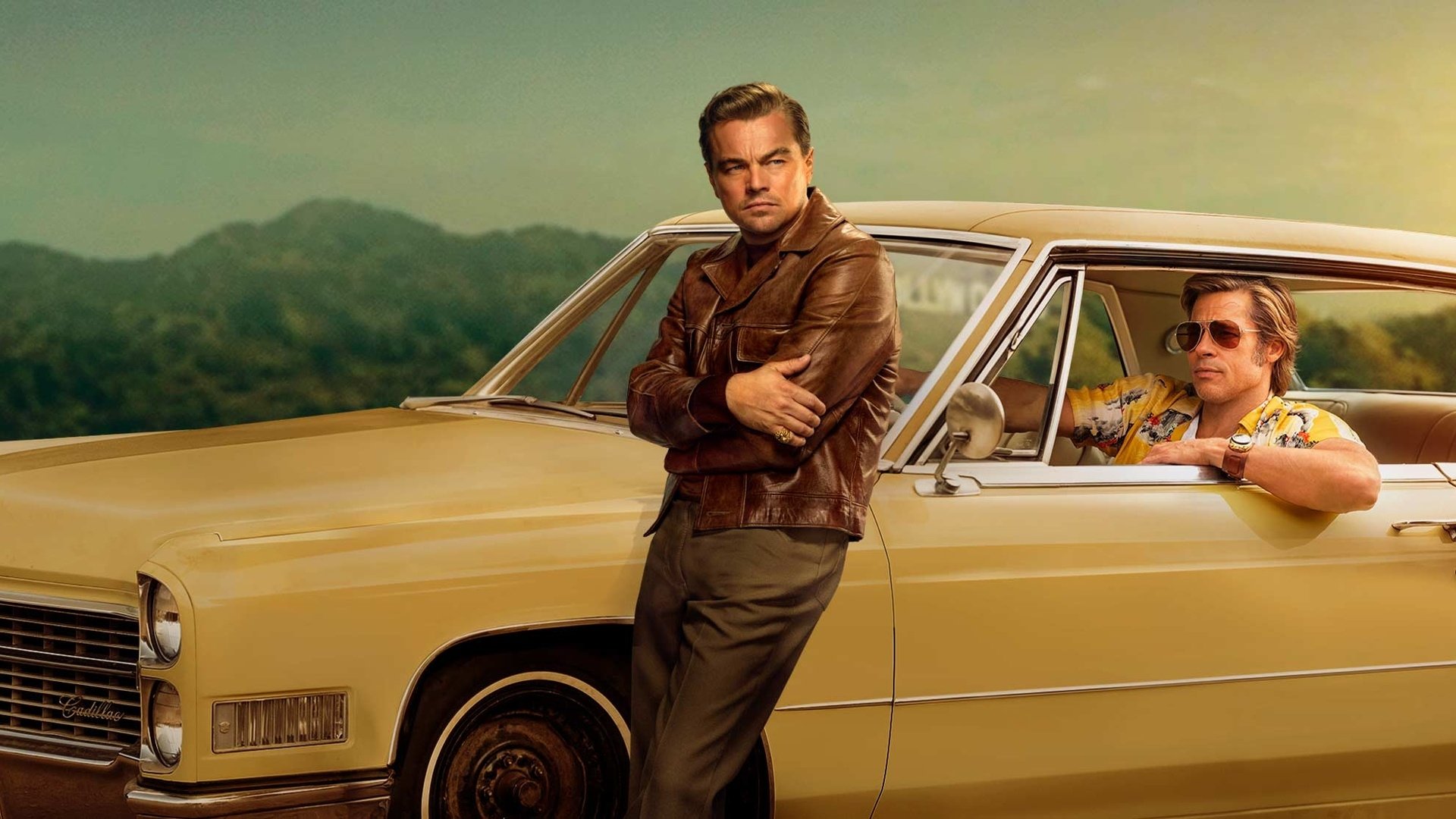
The creative spark behind this partnership reportedly came from a shared fascination with the 'hang-out' energy of late 1960s Los Angeles. By revisiting Cliff Booth—Brad Pitt's laconic, morally ambiguous stuntman—they have a character flexible enough to survive in the gritty, neon-soaked world Fincher specializes in, while retaining the swagger that made him a Tarantino icon. This is not merely a sequel; it is a tonal experiment.
The intersection of Tarantino’s ear for vernacular and Fincher’s eye for the abyss suggests a movie that will be as funny as it is deeply, profoundly disturbing.
What We Know About the Cliff Booth Project
As of the most recent industry reports, the project is in early development, with both directors serving as architects of a script that examines the 'lost years' of Booth. While Tarantino has famously been vocal about his tenth-film retirement, the involvement of a partner like Fincher suggests a shift in his traditional production model. There is no confirmed release date, but production schedules hint at a potential late 2026 or 2027 window.
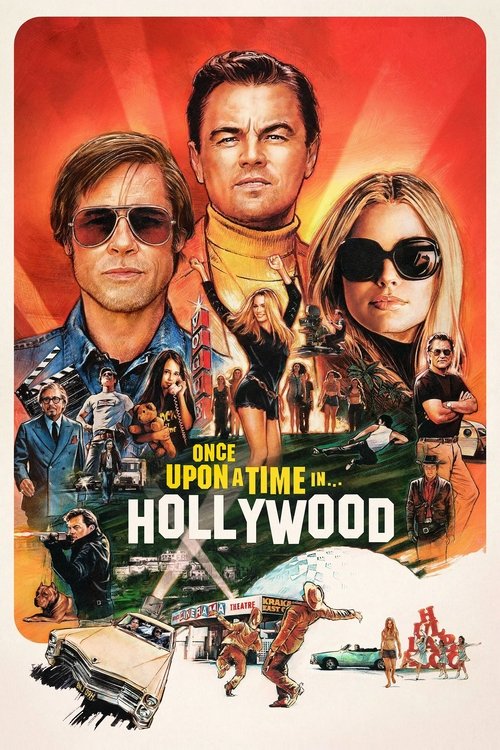
Once Upon a Time in Hollywood scene 1
The narrative focus is said to move away from the Manson Family milieu of the previous film, instead pushing Booth into the international underworld of European action cinema during the early 1970s. This shift allows the production to move away from the saturated color palette of the 60s into a muted, high-contrast aesthetic that feels distinctly Fincher-esque.
It is not about where the character goes next, but about what he is forced to become when the stunt work ends and the real violence begins.
What Fans Are Saying
The defenders: Loyalists to both directors argue that this is the perfect marriage of skills. They believe that Fincher’s ability to build agonizing suspense will provide a necessary foil to Tarantino’s hyper-stylized action, resulting in the most balanced film either director has helmed in years.
The critics: Some skeptics worry that the voices are too singular to coexist. They fear that the film might suffer from 'too many cooks,' leading to a disjointed narrative that lacks the cohesive vision required to elevate it beyond a curiosity piece.
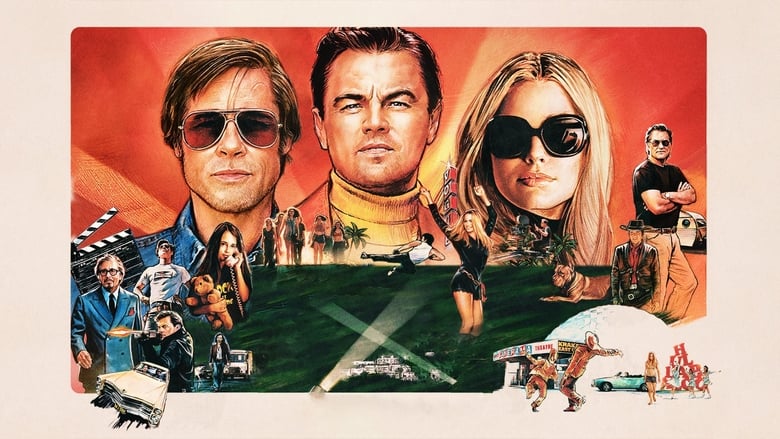
Once Upon a Time in Hollywood scene 2
The middle: Most are taking a wait-and-see approach, acknowledging that even a 'lesser' collaboration between two legends is still a major event in world cinema that demands to be seen in a theater.
The Verdict and Expectations
What worked: The decision to keep Brad Pitt attached to the character is a stroke of genius, as his performance in the original film remains the emotional anchor of the narrative. The premise of a stuntman navigating foreign intrigue offers a fresh perspective on the genre.
Once Upon a Time in Hollywood scene 3
What did not work: The immense pressure placed on the production due to the high-profile nature of the partnership has already fueled unrealistic expectations. Managing the tone shift between Tarantino's warmth and Fincher's icy detachment remains a significant hurdle.
The verdict: Whether this project succeeds or fails, it will be a landmark moment in film history. By fusing two of the most influential directors of the last thirty years, the Cliff Booth project is shaping up to be a masterclass in collaboration, testing the boundaries of auteur cinema.
Ultimately, the collaboration represents a rare moment where ego is set aside in favor of pure cinematic exploration. We are looking at a project that could redefine what the 'post-Tarantino' landscape looks like, proving that even as directors reach the twilight of their careers, they still have the capacity to innovate and surprise their most dedicated audiences. Stay tuned as this story develops, as we are truly living in a golden age of high-stakes cinematic news.