This article contains major spoilers for Snowfall. Read only if you have already seen it.
When a universe as grounded and gritty as Snowfall expands, the bar is set impossibly high for any successor. The Drop: A Snowfall Saga has managed to cut through the noise of a crowded streaming landscape, turning heads with its stark cinematography and unflinching look at the aftermath of the original series' power vacuums.
This analysis covers the narrative stakes of the spin-off, fan reactions across social media, and why this particular project has become the most discussed entry in the franchise this year.
The Anatomy of the Buzz
The anticipation surrounding The Drop: A Snowfall Saga was fueled by a hunger for more of the high-stakes narrative tension that defined the original series. By shifting the perspective to the chaotic transition period following Franklin Saint’s exit, the show occupies a unique space: it is both a coda to the past and an origin story for the new underworld order. Audiences have been quick to reward this focus, pointing to the series' commitment to maintaining the dark, unforgiving tone established by John Singleton.
What worked: The decision to lean into character-driven drama rather than simple plot escalation is the series' greatest strength. The pacing feels deliberate, allowing viewers to inhabit the crumbling empires left behind rather than rushing through familiar tropes. What did not work: Some viewers have expressed frustration with the show's slower initial build, which takes several episodes to find its footing amidst a new ensemble cast. The verdict: Ultimately, it is a masterclass in atmospheric storytelling that rewards patience with a payoff that feels both inevitable and devastating.
The tone of this saga feels less like a sequel and more like a scar—it is a necessary, painful reminder of the choices made in the original series.
What Fans Are Saying
The defenders: Loyalists argue that the series honors the legacy of Snowfall by refusing to shy away from the moral decay that defined the 1980s drug epidemic. They praise the writing for its refusal to romanticize the violence, framing the struggle for territory as a desperate, losing battle for all involved.
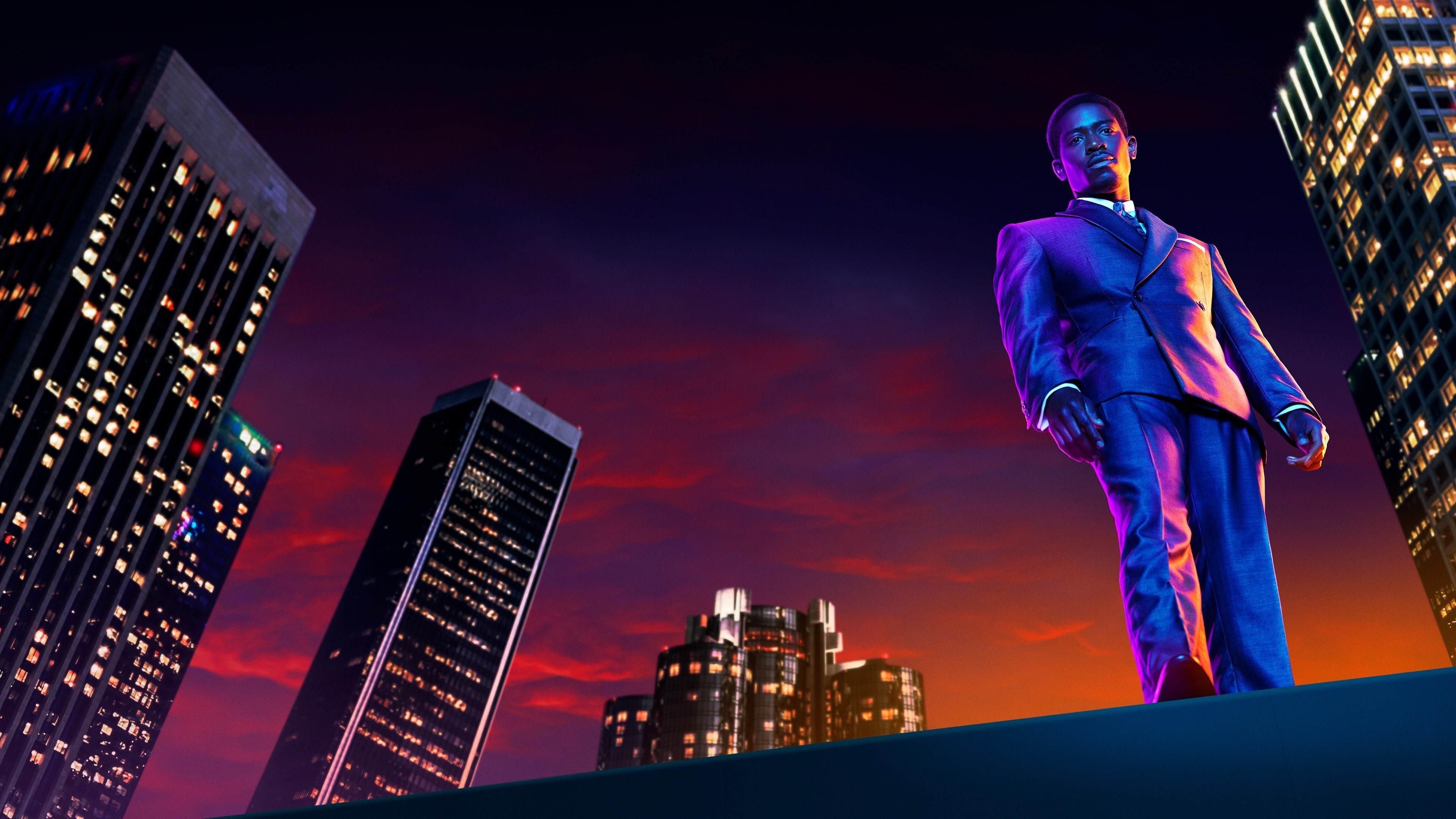
Snowfall scene 1
The critics: Conversely, some critics argue that the series struggles to justify its own existence without the presence of the original protagonist. There is a palpable sense among some viewers that the void left by Franklin is too large to fill, and they find the new power dynamics somewhat repetitive compared to the meteoric rise seen in the early seasons of the predecessor.
The middle: Most viewers find themselves somewhere in between, acknowledging that while the show does not quite capture the lightning-in-a-bottle energy of the original, it succeeds as a dark, compelling drama that stands on its own merits as a gritty crime thriller.
The Legacy of the Streets
The narrative power of The Drop rests on its ability to show us the cost of the drug trade from the perspectives of those who were never meant to survive it. By focusing on the shifting alliances and the desperation of the mid-level dealers, the show mirrors the systemic entrapment that defined the original Snowfall, creating an environment where every victory is temporary and every alliance is a liability.
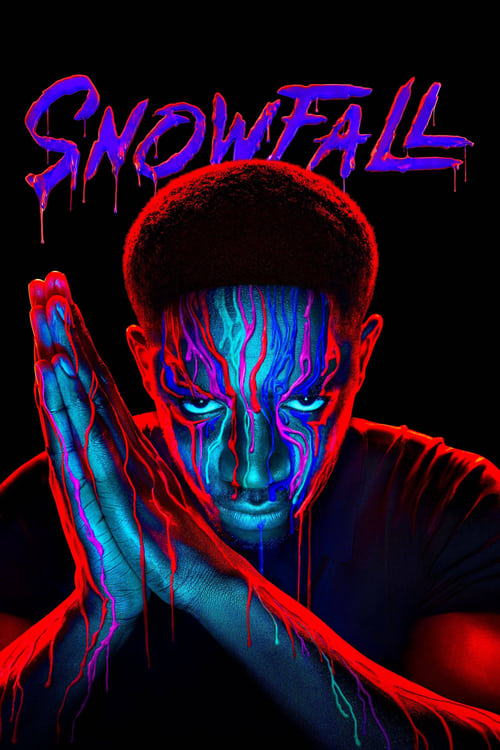
Snowfall scene 2
In this world, power is not something you hold; it is something you borrow until the debt comes due, and the interest is always blood.
The cinematography deserves special mention, as it captures the heat-soaked streets of Los Angeles with a clarity that feels almost documentary-like. This visual approach grounds the high-stakes drama in a tangible reality, ensuring that the human cost of the narrative is never lost in the pursuit of stylized action.
The Moral Void
Perhaps the most fascinating aspect of The Drop is its exploration of what happens when the charismatic leaders are gone. Without a singular figure to anchor the audience's loyalty, the show forces us to examine the machinery of the drug trade itself. It is a bleak, effective examination of institutional corruption and the way cycles of violence propagate themselves long after the main players have exited the stage.
Snowfall scene 3
Why it lingers: The show’s refusal to provide easy redemption arcs for its characters is refreshing in an era of sanitized television. It forces the viewer to confront the reality that, in this specific criminal ecosystem, there are no winners—only survivors waiting for their own turn to be replaced.
Conclusion
The Drop: A Snowfall Saga has successfully carved out its own identity by respecting the dark, complex history of its progenitor. Whether you are a die-hard fan of the original series or a newcomer looking for a gritty crime drama with genuine narrative weight, this show delivers an experience that is as haunting as it is compelling.
Ultimately, the series stands as a testament to the enduring power of the Snowfall universe. It is a grim, beautiful reminder that in the world of crime and consequence, the past is never truly buried; it is simply waiting for the next drop to reignite the flames.