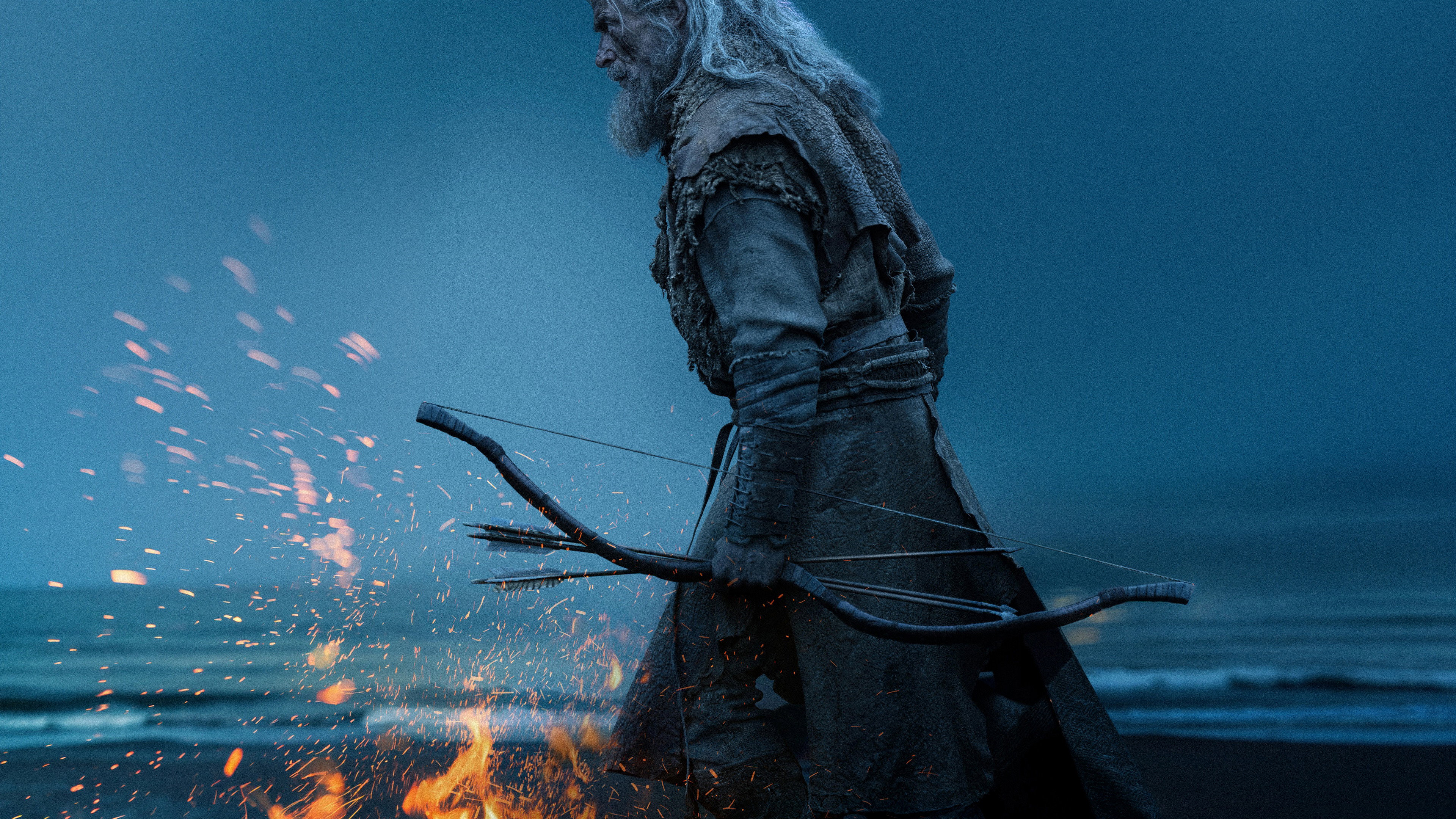
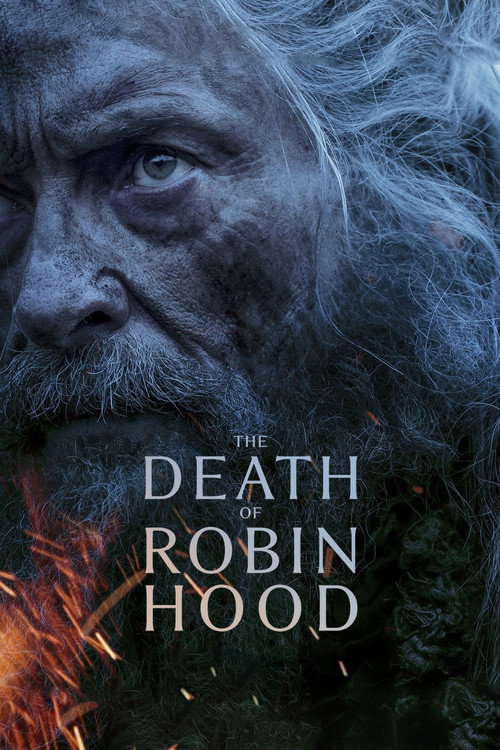
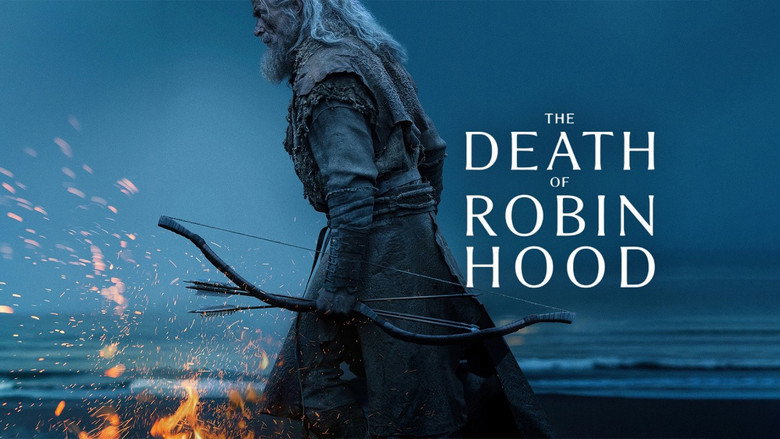
This article contains major spoilers for The Death of Robin Hood. Read only if you have already seen it.
The legend of Robin Hood has been told for centuries, but rarely with the visceral, somber finality presented in this revisionist take. By stripping away the heroic romanticism of the outlaw, the film forces the audience to confront the inevitable cost of a life spent in open rebellion against the crown.
This breakdown explores the brutal final sequence, the moral ambiguity of the protagonist's end, and why this version of the story chooses to subvert traditional folklore in favor of a cold, historical reality.
A Departure from the Folklore
From the opening frames, it is clear that this is not the merry tale of Sherwood Forest. Instead, the narrative focuses on an aging, battle-worn Robin struggling with the physical and psychological toll of his past actions. The film frames his final days not as a grand sacrifice, but as a slow, agonizing realization that his legend has outpaced his humanity.
The tone shift: By grounding the film in the grim realities of medieval life, the director dismantles the myth. Robin is no longer a symbol of hope, but a man who has lived too long, forced to reconcile with the faces of those his rebellion hurt.
The man who fights against the law for too long eventually finds that the law is the only thing he has left to define him.
The Final Confrontation
As the walls close in around his hideout, the film steers away from the expected standoff. The antagonists aren't just the Sheriff’s men; they are the ghosts of a fractured social order that Robin helped destabilize. The climax forces him to make a choice between his own survival and the preservation of the very myth he created.
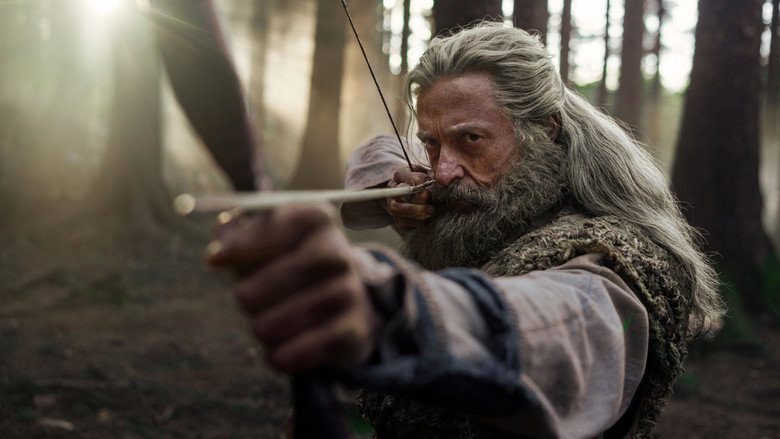
The Death of Robin Hood scene 1
What worked: The decision to keep the violence intimate and desperate rather than epic in scale creates a genuine sense of dread. The final moments are devoid of triumph, emphasizing that even the most celebrated outlaws leave behind a messy, painful wake. The verdict: It is a bold, challenging look at what happens when the symbol finally dies, leaving only the man behind.
Ultimately, the film asks whether a life of violence can ever truly be justified by the cause it serves, or if it simply cycles forward until the protagonist is consumed by it.
The Meaning of the Final Twist
The twist resides in the realization that Robin’s legacy is not being preserved by his actions, but rather rewritten by his enemies to serve the crown. As he passes, he observes his own story being distorted into a propaganda tool, ensuring that the "hero" the public remembers is a lie designed to keep them in check.
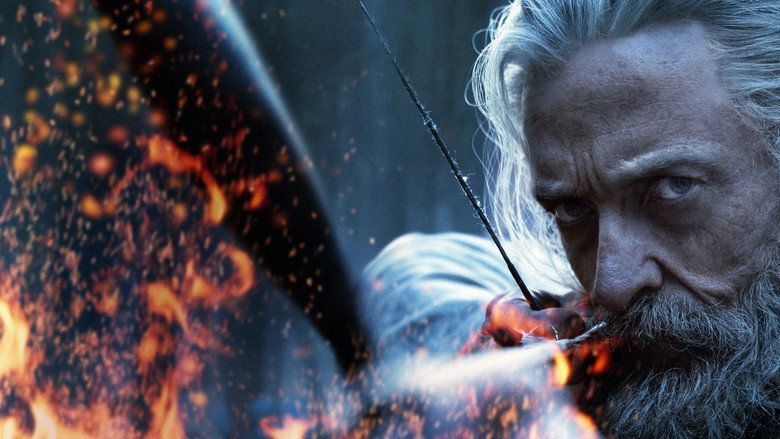
The revelation: It is a devastating commentary on how power controls history. Robin does not die a martyr for the people; he dies in obscurity, watching his life's work weaponized against the very ideals he thought he was protecting. This inversion of the classic death scene provides the film with its most bitter, resonant emotional beat.
The Death of Robin Hood scene 2
What Fans Are Saying
The defenders: Many viewers praise the film's unflinching commitment to its grim aesthetic, noting that it finally gives weight to the consequences of Robin's crimes. They argue that seeing the hero stripped of his armor and ego is a refreshing change of pace for the genre.
The critics: Conversely, some traditionalists have expressed disappointment, finding the bleakness of the conclusion at odds with the spirit of the original ballads. They argue that the film leans too far into nihilism, potentially alienating those looking for the classic swashbuckling energy.
The Death of Robin Hood scene 3
The middle: Most agree that regardless of the narrative choices, the performances are stellar. Even those who dislike the "downer" ending admit that it creates a definitive, thought-provoking conclusion that is difficult to shake.
A Legacy Defined by Silence
The conclusion is ultimately a meditation on the permanence of silence. As the screen fades, we are left with the crushing weight of everything left unsaid and everything misremembered. By killing off the "Robin Hood" persona long before the man himself dies, the film argues that true freedom isn't found in a crown or a bow, but in the ability to finally let go of a legacy that was never truly yours to own.
Final thoughts: The film does not ask for your approval of its ending; it demands your reflection on the cost of the legends we build. It is a haunting, masterful exploration of the human side of history's greatest outlaws.