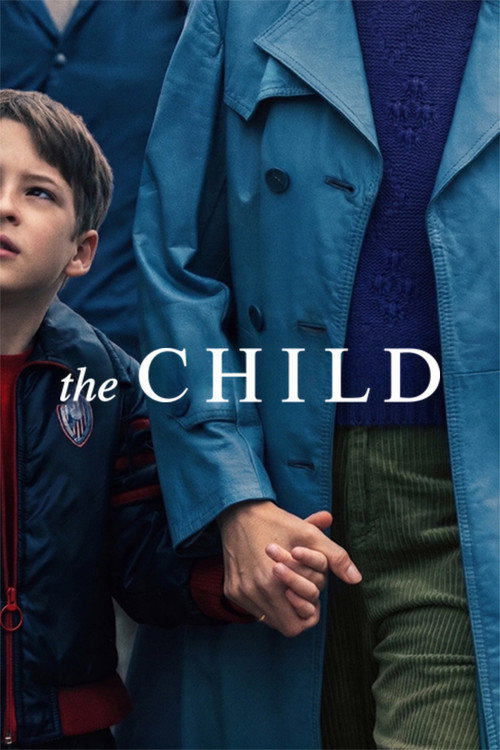
In October 1980, a catastrophic gas explosion at a school in the Basque Country town of Ortuella shattered a community and left an indelible scar on the collective memory of Spain. Decades later, director Mariano Barroso brings this haunting chapter of history to the screen in his 2026 film, The Child.
The film serves as a fictionalized exploration of grief, focusing on the personal aftermath for a mother and grandfather. By examining the real-life tragedy that claimed the lives of 50 children, the narrative highlights the enduring strength of the human spirit when faced with unimaginable loss.
The Historical Reality of the Ortuella Explosion
The event that inspired the film occurred on October 23, 1980, in the town of Ortuella, located in the province of Biscay. A massive gas explosion ripped through a public school, resulting in the deaths of 50 children and several adults. The scale of the disaster was unprecedented for the region, leaving the local community in a state of profound shock that resonated across the entire nation of Spain.
The film adaptation, directed by Mariano Barroso and based on the novel by Fernando Aramburu, does not attempt to be a documentary. Instead, it uses the historical backdrop as a foundation to explore the intimate, often unspoken ways that families navigate the process of mourning. While the tragedy is the catalyst for the story, the focus remains firmly on the internal journeys of the characters.
The tragedy shocked the local community and the whole of Spain, changing their lives forever. On a journey marked by unexpected emotions, Mariaje and Nicasio search for and find their own unique way to overcome their loss.
Fictionalizing the Aftermath
The central characters, Mariaje, played by Belén Cuesta, and Nicasio, played by Karra Elejalde, represent the divergent paths of grief. Mariaje is the mother of one of the victims, while Nicasio is the grandfather. Their relationship serves as a lens through which the audience witnesses the different stages of trauma, from the initial denial to the slow, painful process of acceptance.
The narrative structure prioritizes emotional authenticity over historical reenactment. By centering the story on these two individuals, Barroso creates a space to examine how loss can either bridge the gap between family members or drive them further apart. The film avoids sensationalizing the explosion itself, choosing instead to dwell on the quiet, devastating silence that follows such a monumental event.
Production and Creative Vision
The production process for The Child involved extensive filming across the Basque Country, specifically in municipalities like Ugao-Miraballes, Bilbao, and Gernika. The filmmakers sought to capture the atmosphere of the region, grounding the story in the specific cultural and geographical context of the Basque Country in the 1980s. The shoot concluded in Madrid, bringing together a cast of acclaimed Spanish actors to portray the weight of the story.
Director Mariano Barroso has described the film as an exploration of what remains when everything else is stripped away. He emphasizes that the story is about the need to find what is indestructible within us when faced with extreme situations. This philosophical approach elevates the film from a simple historical drama to a meditation on resilience and the nature of memory.
It is only when one is faced with an extreme situation and the need to overcome it, that one discovers one’s true strength. That is what The Child is about: the need to find what is indestructible within us.
What Fans Are Saying
The defenders: Many viewers and critics who have followed the project since its announcement praise the decision to focus on the human element rather than the mechanics of the disaster. They argue that by centering on the emotional aftermath, the film honors the victims and their families with dignity and restraint.
The critics: Some observers have expressed concern regarding the fictionalization of such a sensitive historical event. There is always a tension when adapting real-life tragedies, as audiences and those connected to the events may worry that the narrative could inadvertently simplify or misrepresent the complexity of the collective trauma experienced by the town of Ortuella.
The middle: Most audiences agree that the strength of the film lies in the performances of Belén Cuesta and Karra Elejalde. Regardless of one's stance on the fictionalization, the consensus is that the film provides a powerful, if difficult, look at the long-term effects of grief on a family unit.
The Verdict
The film succeeds as a character-driven drama that refuses to offer easy answers to the problem of loss. By grounding its narrative in the specific, painful history of the 1980 Ortuella explosion, it forces the audience to confront the reality of how communities survive the impossible. It is a somber, reflective piece of cinema that prioritizes the emotional truth of its characters above all else.
Ultimately, The Child stands as a testament to the power of storytelling to process trauma. It does not seek to replace the history of the event, but rather to provide a companion piece that explores the human cost of such a tragedy. It is a film that asks us to look at the wreckage of the past and find the strength to continue moving forward.