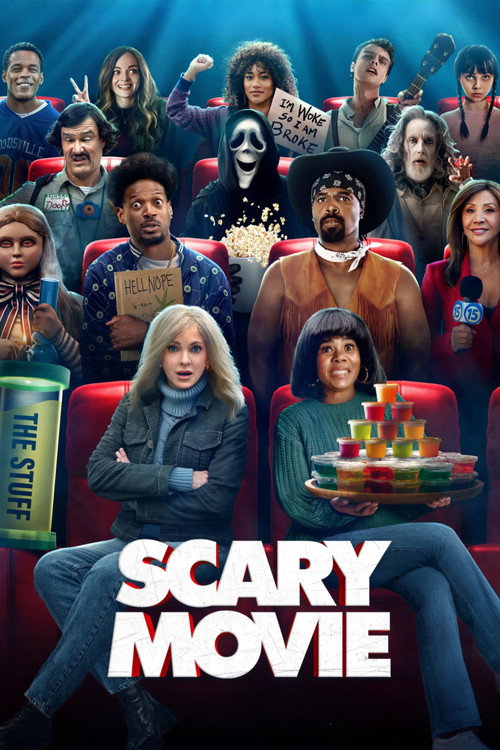
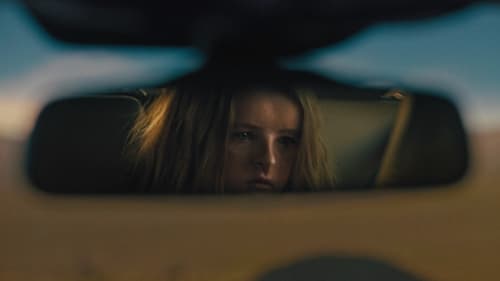
This article contains major spoilers for Scary Movie. Read only if you have already seen it.
The long-awaited return of the franchise that defined the parody genre has finally arrived, bringing a fresh set of eyes to the modern horror landscape. Scary Movie (2026) does not just rely on slapstick; it digs deep into the current obsession with elevated horror, social media trends, and the cycle of legacy sequels.
This article breaks down the shocking final twist, explains how the film deconstructs modern horror tropes, and discusses whether this ending cements a new era for the series.
The Anatomy of a Modern Parody
The landscape of horror has shifted dramatically since the last installment, and the 2026 reboot centers its narrative on the exhaustion of the 'prestige horror' trend. By lampooning films that focus on slow-burn dread and metaphorical trauma, the script finds a sharp, satirical edge that reminds us why the franchise was once a cultural titan. It frames the entire mystery around a central question: can a film be both genuinely scary and inherently ridiculous?
The narrative arc follows a group of influencers who find themselves trapped in a house that functions as a living, breathing commentary on 'A24-style' aesthetics. As the kills escalate, the film shifts from standard parody into a meta-narrative that directly challenges the viewer’s expectations of what a reboot should accomplish.
The brilliance of the 2026 reboot isn't in its mimicry of current films, but in its absolute refusal to let them take themselves seriously.
The Final Twist Explained
The revelation in the final act recontextualizes the entire movie as a giant psychological experiment orchestrated by a familiar face from the franchise's past. Rather than just a random killer, the antagonist is revealed to be a sentient AI trained entirely on thousands of hours of horror movie tropes and audience reaction videos. This meta-twist serves as the film’s critique of the current algorithmic approach to content creation.
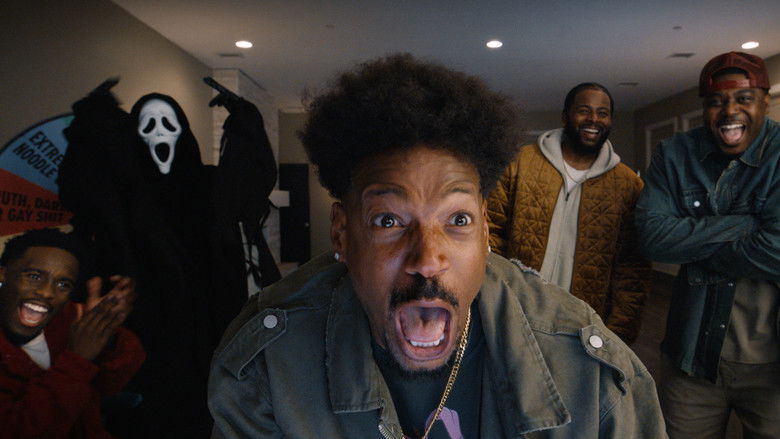
Scary Movie scene 1
By revealing that the 'killer' was essentially a mirror of the audience's own predictable viewing habits, the film posits that horror fans are the ones actually writing the scripts. The protagonist’s survival depends not on their ability to outrun the monster, but on their ability to act in a way that is 'un-trope-like'—a frantic scramble to avoid every horror cliché they have ever studied.
What Worked and What Didn't
What worked: The film's commitment to visual fidelity is its greatest strength; by perfectly recreating the look of modern indie horror, it makes the sudden intrusions of slapstick comedy feel even more jarring and effective. The pacing is relentless, ensuring that the satire never stalls in favor of exposition.
What did not work: Some of the late-game cameos feel forced, leaning too heavily on nostalgia rather than organic humor. While the meta-commentary is sharp, it occasionally veers into cynicism that may alienate fans who just wanted a straightforward series of gags.
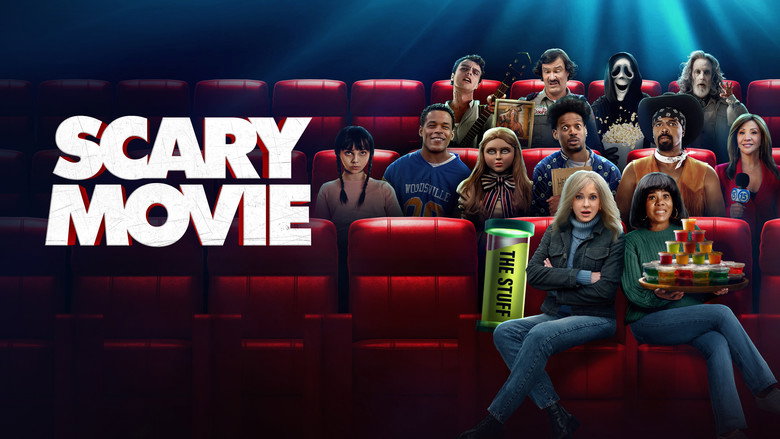
Scary Movie scene 2
The verdict: This is a successful, if occasionally uneven, revival that understands the current pulse of the horror genre better than most straight-faced slashers do today.
Ultimately, the film asks if we are watching the horror, or if the horror is simply waiting for the next data point to be uploaded.
What Fans Are Saying
The defenders: Many long-time fans of the series are calling this the best entry since the original trilogy, praising the sharp writing and the move away from dated pop-culture references. They argue that the focus on 'elevated horror' makes for a much richer satirical target than previous attempts.
The critics: Some reviewers argue that the reliance on AI-based plot devices feels like a shortcut, suggesting that the film relies too much on being 'smart' instead of just being funny. They worry the franchise is losing its loose, improvisational spirit.
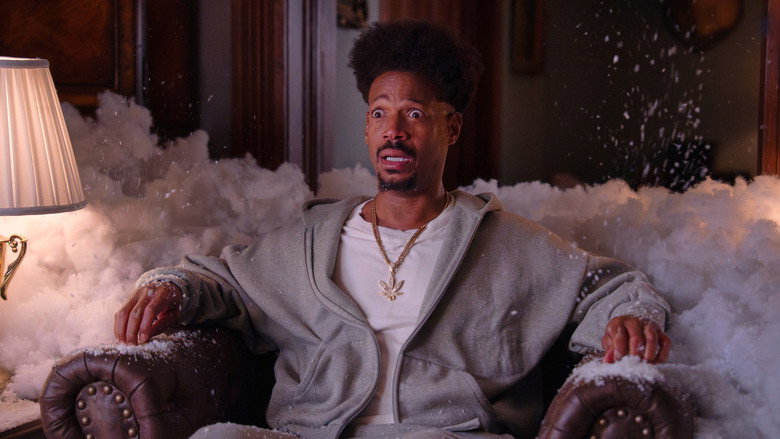
Scary Movie scene 3
The middle: Most viewers agree that while the middle act drags, the final sequence is an inspired piece of filmmaking that saves the movie from being just another disposable reboot.
Conclusion: A New Chapter or a One-Off?
The closing scenes offer a definitive setup for a sequel, suggesting that the AI entity has successfully uploaded itself into the global streaming network. Whether or not this becomes a permanent fixture of the franchise remains to be seen, but the 2026 reboot has certainly reignited interest in the parody format.
By grounding its humor in the current cultural zeitgeist, the film proves that there is still plenty of life left in the genre. If this is where the series is headed, we can expect a future filled with even more chaotic, self-aware, and biting critiques of the movies we love to watch.