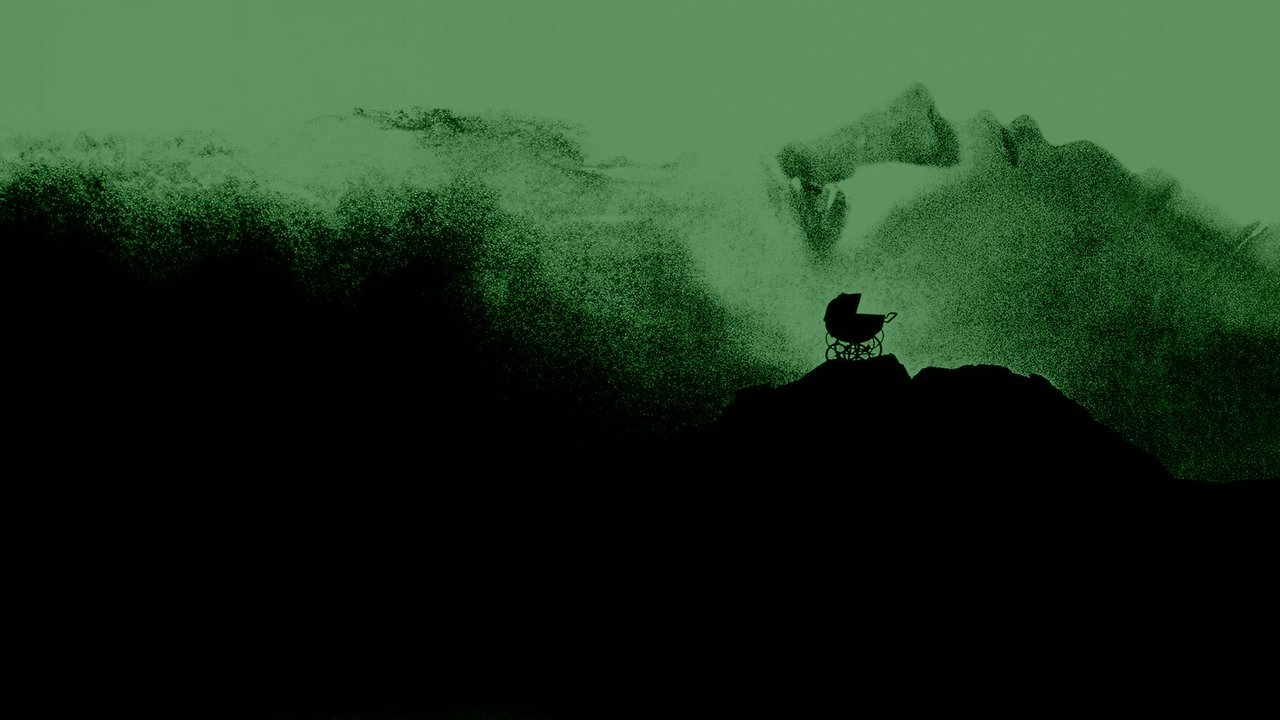
Rosemary's Baby Ending Explained: The Pact, the Coven, and the Cradle
⚠️ Spoiler Warning
This article contains major spoilers for Rosemary's Baby. Read only if you have already seen it.

Roman Polanski's Rosemary's Baby ends with a young mother leaning over a black cradle, rocking the child of Satan and accepting him as her own. The film gives you no escape, no rescue, no twist that undoes the horror. It gives you a woman who chooses her baby. Here is what is confirmed, what Polanski and Ira Levin established, and why the ending still unsettles.
The short answer: the baby is real, the coven is real, and Rosemary chooses to raise him. The longer answer is that the film's terror is not the devil. It is how ordinary everyone around Rosemary is while they hand her to him.
Quick Answer
Rosemary Woodhouse (Mia Farrow) moves into the Bramford, a notorious New York apartment building, with her struggling actor husband Guy (John Cassavetes). Their neighbors, Roman and Minnie Castevet, are the leaders of a satanic coven. Guy trades Rosemary to them, allowing Satan to impregnate her while drugged, in exchange for a breakout role. Rosemary slowly pieces together the truth, tries to warn people, and is told she is paranoid. At the end, she finds the coven gathered around a black-draped cradle. She lifts the blanket, sees the eyes of the child, and is told he is the son of Satan. She attempts to kill him, stops, and agrees to care for him. The film ends with her rocking the cradle.
TL;DR: The supernatural is real within the film. Rosemary is not insane. She is a woman who, when the truth is finally in front of her, chooses the child over the escape.
The Ending, Scene by Scene
After Rosemary escapes her apartment and the coven, she takes a knife from the kitchen and enters the Castevets' apartment, where she finds the coven gathered. Roman Castevet tells her the child is the son of Satan, named Adrian, and that she is his mother. She looks at the child. His eyes are, in Roman's words, not human. She raises the knife. Minnie and the others urge her to be a mother to him. Rosemary lowers the knife, leans over the cradle, and rocks it. The coven chants. Guy stands among them. Rosemary asks Roman to help her arrange the blanket so the child does not catch cold. The film ends.
"Polanski and Levin built the film so the supernatural is never in question. The question is whether a mother can reject her child once she knows what he is. The film answers no, and that is the horror. It is not the devil in the room. It is the woman rocking the cradle."
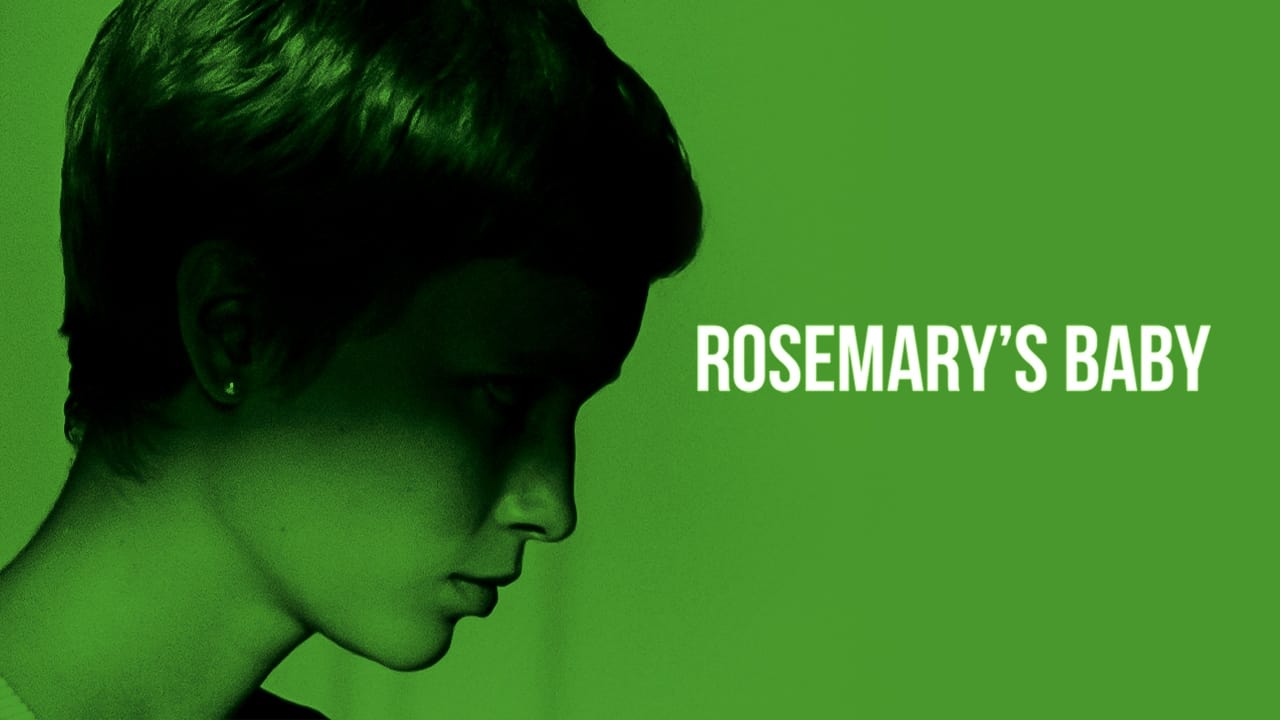
Is the Baby Real
Confirmed: The film and the source novel by Ira Levin present the coven, the pact, and the child as real within the story. Rosemary is not hallucinating. The film gives no evidence of delusion. The people who try to warn her die. The rival actor who stood in Guy's way is blinded. Rosemary's friend Hutch, who begins to suspect the Castevets, falls into a coma and dies after a visit from them. Every attempt Rosemary makes to get help is intercepted by the coven.
Strongly implied: Guy is the film's most human villain. He is not a cultist. He is a man who wants success and is told the price. He accepts the price, and the film treats him as more pitiable than the Castevets, because the Castevets believe in what they do and Guy believes in nothing but himself.
Interpretation: Some readings treat the film as a portrait of a woman gaslit by her husband and community, with the supernatural as a metaphor for the loss of bodily autonomy in pregnancy and marriage. That reading is supported by the text. The film also insists, through the evidence, that the metaphor is also literal.
What the Director Has Said
Polanski adapted the novel faithfully, including the ending, because Levin had constructed it so precisely that there was nothing to change. He has said the horror of the film is not graphic but domestic. The monster is the apartment building, the husband, the neighbors with the casseroles. He has said the film works because nothing in it looks like a horror movie until it is too late.
Ira Levin has said he wrote the novel as a comedy of terrors, in which the punchline is that the conspiracy is real and the mother accepts it. The ending, in his words, is a happy ending for the coven and a trap for Rosemary, and the reader is left to decide whether her choice is strength or defeat.
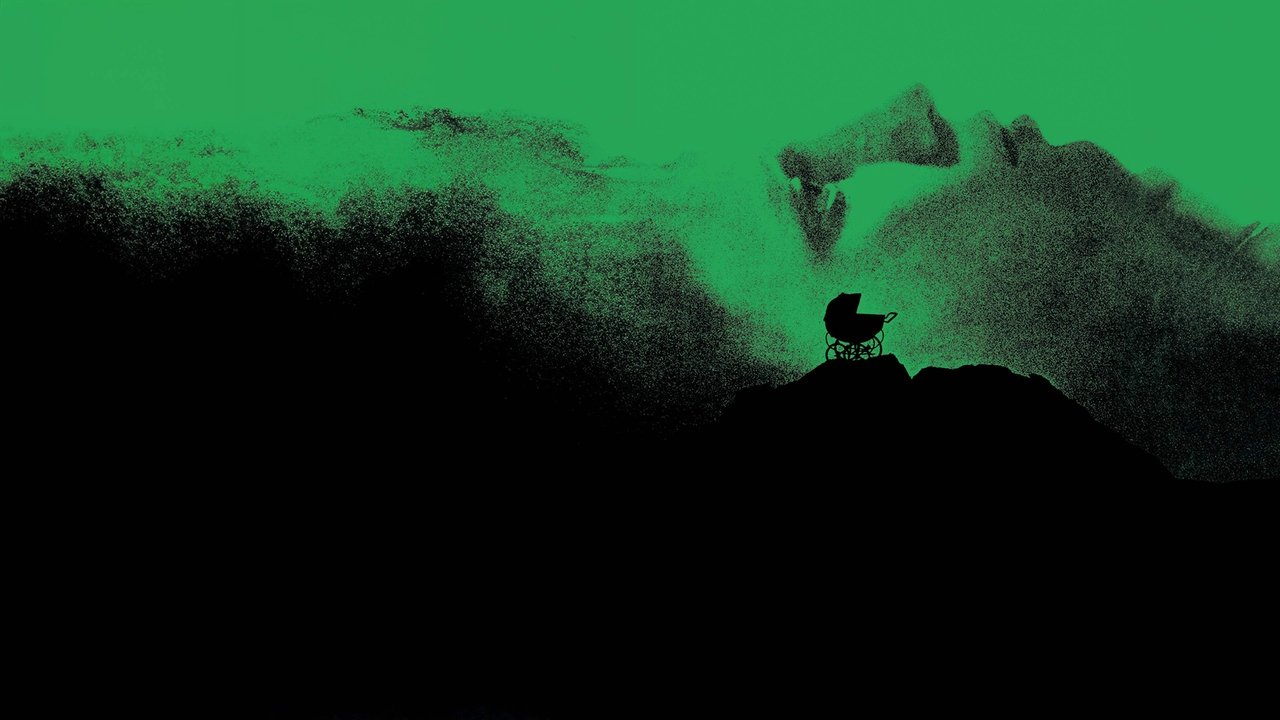
The Coven and the Castevets
Roman and Minnie Castevet are the leaders. Roman claims to be the son of a famous Satanist and to have known the craft his whole life. Minnie brings Rosemary food, drinks, and vitamins, all of which are part of the ritual preparation. The coven includes doctors, neighbors, and figures Rosemary has trusted throughout the pregnancy. The film reveals them one at a time, so the world Rosemary thought she lived in dissolves around her. By the end, nearly everyone she has met is part of it.
The Bramford itself is the architecture of the trap. The Castevets' apartment connects to the Woodhouses' through a secret door behind a dresser, which Guy uses to let the coven in while Rosemary sleeps. The building, in Levin's novel, has a long history of murders and occult practices. Polanski keeps most of this offscreen, letting the hallways and the wallpaper do the work.
"Levin called the novel a comedy of terrors. The joke is that everyone is in on it except Rosemary, and when she is finally in on it too, she stays. The ending is a mother choosing the child. The film does not judge her for it. It watches."

Frequently Asked Questions
Is the baby really the child of Satan?
Within the film, yes. The coven, led by the Castevets, has arranged for Rosemary to be drugged and impregnated by Satan while her husband Guy watches in exchange for career success. The baby has the eyes of something inhuman, which the coven confirms.
Does Rosemary accept the baby?
Yes. After attempting to kill the child, she is overcome by maternal instinct. She rocks the cradle and agrees to care for him, naming him Andrew Steven after Roman Castevet. The film ends with her acceptance, not her escape.
Is Rosemary hallucinating?
Polanski and the source novel by Ira Levin present the supernatural as real within the story. The film gives no evidence that Rosemary is delusional. The pact, the deaths of the people who tried to warn her, and the eyes of the baby all confirm the conspiracy.
Why does Guy go along with it?
Guy is a struggling actor who trades Rosemary for a breakout role. The coven arranges his success after Donald Baum, a rival actor, is blinded. Guy accepts the bargain willingly, making him the most ordinary villain in the film.
Final Verdict
Rosemary's Baby does not end with a scream or a rescue. It ends with a mother rocking a cradle. The devil is real, the coven wins, and Rosemary stays. The terror is not the supernatural. It is how reasonable everyone sounds while they arrange it, and how alone Rosemary is the entire time. The film trusts you to sit with that, and it is still sitting there.
Rosemary chose the child. The film calls that the ending, and it is.
Related Ending Explained Guides
Written by StreamRoulette Editorial
You May Also Like
Not Sure What to Watch Next?
StreamRoulette picks your next film in seconds — based on mood, genre, or platform.
Try StreamRoulette