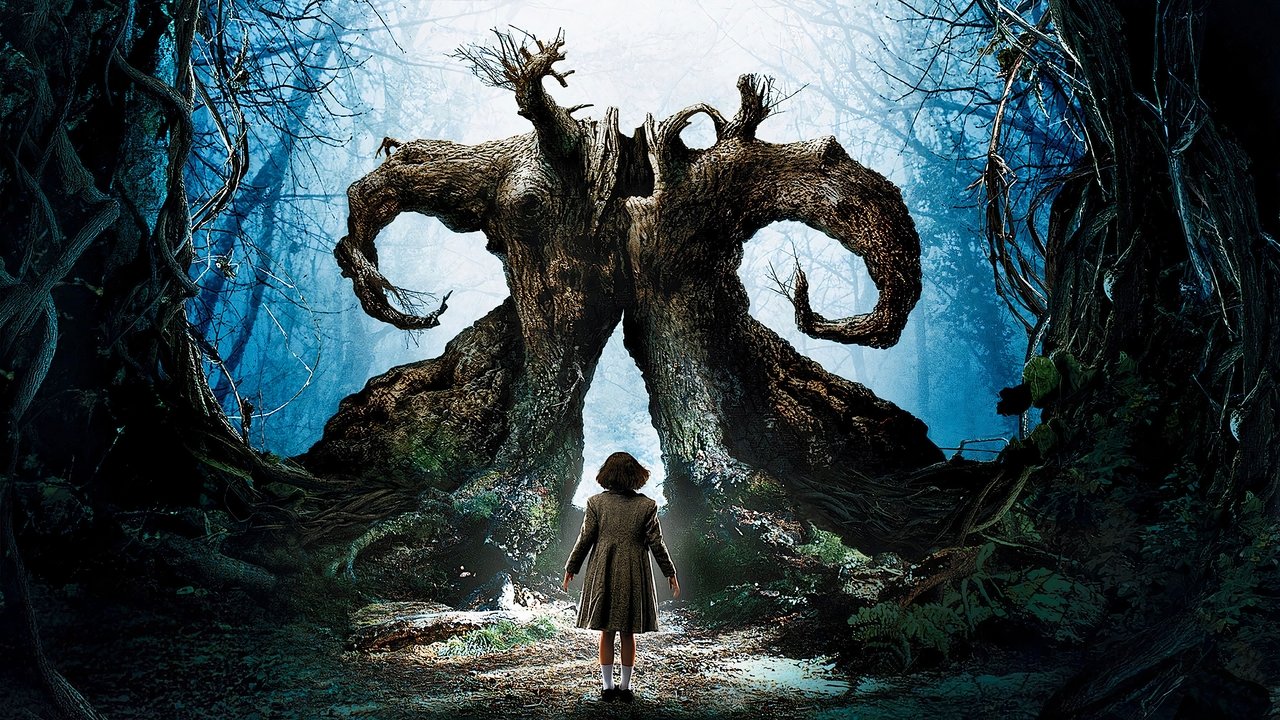
Pan's Labyrinth Ending Explained: Ofelia, the Faun, and the Underworld
⚠️ Spoiler Warning
This article contains major spoilers for Pan's Labyrinth. Read only if you have already seen it.

Guillermo del Toro's Pan's Labyrinth ends with a ten-year-old girl bleeding to death on the stone floor of a labyrinth, while in the Underworld she is crowned as the princess she always was. The film refuses to tell you which version is the truth, even though del Toro himself has told you. Here is what is confirmed, what is open to interpretation, and what the final image of a dying child smiling actually means.
The short answer: Ofelia dies in the mortal world and is reunited with her parents in the Underworld. The longer answer is that del Toro built the fantasy as real within the logic of the film, and the ambiguity is left for the audience to sit with, not for the director to resolve.
Quick Answer
Ofelia (Ivana Baquero), a child sent with her pregnant mother to live under the fascist Captain Vidal (Sergi Lopez) in post-Civil War Spain, is tasked by a Faun with three trials to prove she is the reincarnation of Princess Moanna of the Underworld. She completes two. For the third, the Faun demands the blood of her newborn brother. Ofelia refuses, takes the baby, and flees into the labyrinth. Vidal follows and shoots her. She dies. In the Underworld, the Faun and her parents welcome her back, her refusal having been the true test. Vidal is killed by the rebels outside. Mercedes takes the baby.
TL;DR: Ofelia passes the real test by refusing the test she was given. Her death is not a tragedy in the logic of the film. It is a return.
The Ending, Scene by Scene
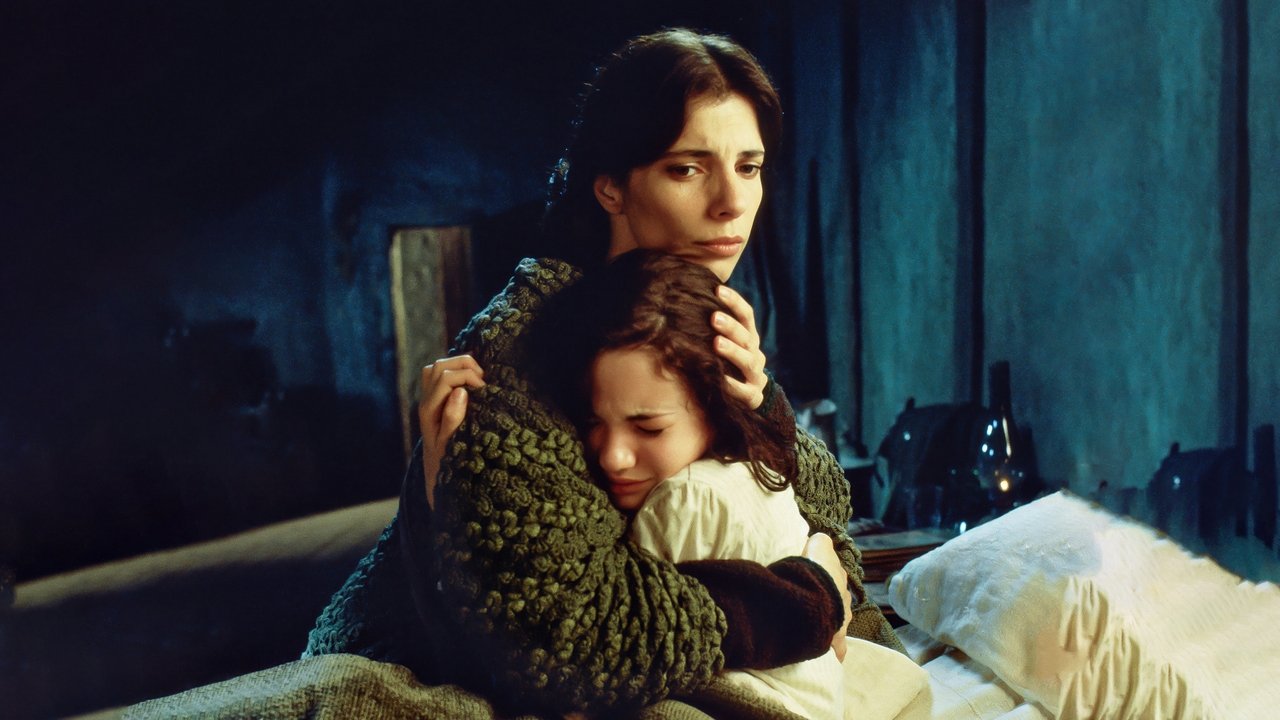
After the Faun tells Ofelia that the only way to open the portal is to spill the blood of an innocent, her brother, Ofelia takes the child and runs into the labyrinth at night. Vidal pursues her. At the center, the Faun waits. Ofelia refuses to hand over the baby. Vidal takes the child from her arms and shoots her. He leaves the labyrinth with the baby and is met by Mercedes and the rebels. Pedro shoots him. Mercedes takes the baby, who will be raised among the fighters. As Ofelia bleeds, she smiles. The film cross-cuts between her dying body and the Underworld, where she sits on a throne beside her mother and her father, the king, the Faun at her side, and the portal to the mortal world sealed behind her.
"Del Toro has said the Underworld is real. The clues are there: the mandrake root that moves under the bed, the chalk that opens a real door, the faun that leaves wet footprints. Ofelia did not imagine her way out of a fascist country. She was always a princess passing through it."
Is the Underworld Real, or a Dying Fantasy?
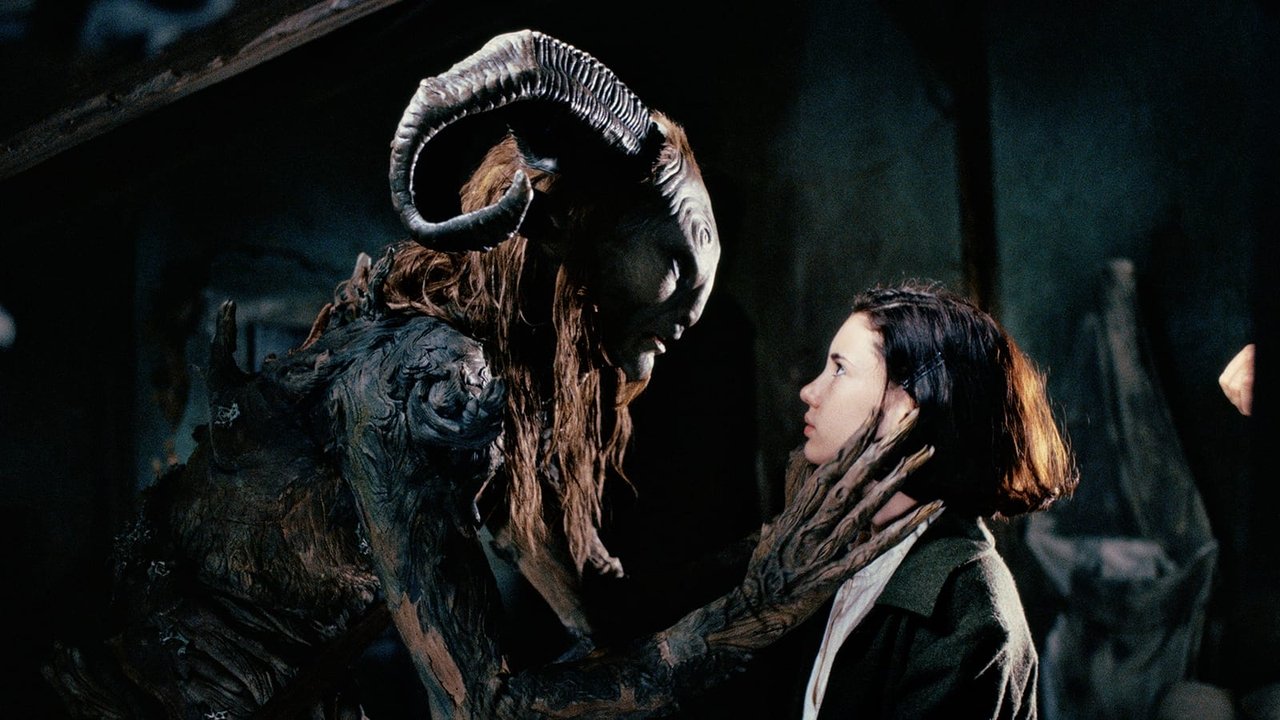
Confirmed: Guillermo del Toro has stated plainly that the Underworld is real within the film. He has pointed to specific clues: the mandrake root that Ofelia places under her mother's bed moves on its own and is later found by Vidal and discarded; the chalk door that Ofelia draws opens a physical passage into a hidden room; and the Faun leaves wet footprints on the floor after Ofelia meets him. None of these can be explained away as a child's imagination.
Strongly implied: The two worlds run on different rules but the same logic. In the mortal world, obedience to power is the law. In the Underworld, obedience to conscience is the law. Ofelia fails the trials the Faun sets when she follows his instructions literally, and she passes the final trial by refusing them. The Underworld does not reward obedience. It rewards the choice not to harm an innocent.
Interpretation: Some critics read the fantasy as a coping mechanism for a child in a fascist household, and del Toro has acknowledged that reading as valid on its own terms. But he has also said the film is not ambiguous about whether the magic is real. The film is ambiguous about whether the mortal world will ever recognize it.
What the Director Has Said
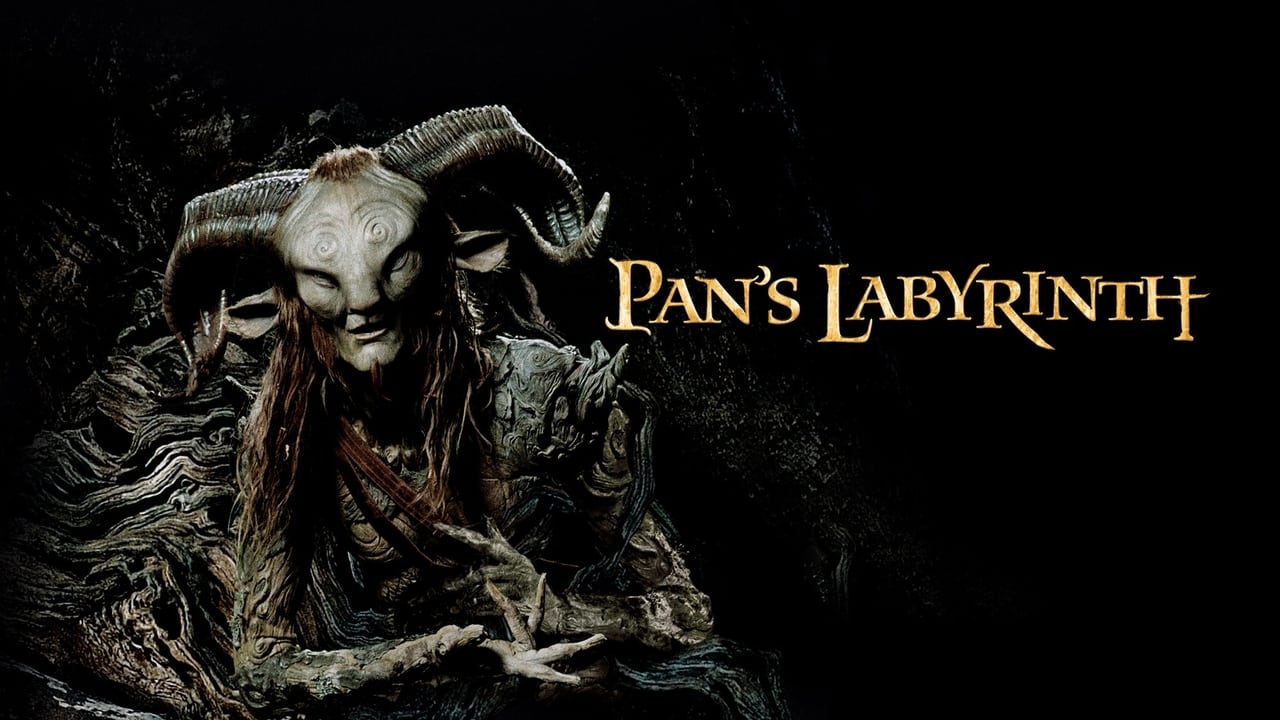
Del Toro has described the film as a fairy tale for adults, in which the fantasy is not an escape from reality but a mirror of it. He has said that the fascism of the mortal world and the rules of the Underworld are the same story told twice. He has also confirmed that the Faun is not the god Pan, despite the English title, but a forest creature who serves the Underworld. He has said Ofelia is the only character in the film who tells the truth, and that her death is a coronation, not a punishment.
He has been explicit that the ending is not sad in the way it first appears. Ofelia does not lose. She returns. The sadness belongs to the mortal world, which could not see her, and to the audience, which must.
The Three Trials and the Refusal
Ofelia is given three tasks. The first sends her into the roots of an ancient fig tree to retrieve a key from a giant toad that is killing the tree. She completes it. The second takes her to the Pale Man, a creature with eyes in his palms who sits at a feast table surrounded by the remains of children. Ofelia is warned not to eat anything. She eats two grapes. The Pale Man wakes and chases her, killing two of the fairies who guided her. She escapes with the knife but fails the trial by disobeying.
The third trial is the demand for her brother's blood. The Faun tells her the portal will not open without it. Ofelia refuses. This is the trial she was always meant to pass, because the test was never obedience. It was the willingness to sacrifice herself rather than an innocent. She draws her own blood by taking the baby and running. The portal opens for her, and the Faun, who was testing her, welcomes her home.
The Fate of Captain Vidal
Vidal is the fascist stepfather, a captain hunting republican rebels in the hills. He is the film's portrait of mortal evil: precise, vain, and obsessed with the legacy of his own father, a general whose pocket watch he carries. He beats the stuttering farmhand, locks Ofelia in her room, and shoots her in the labyrinth. When the rebels corner him, he asks Mercedes to tell his son what time his father died. Mercedes tells him his son will not even know his name. She takes the baby. Vidal is shot. The watch, the only inheritance he cared about, is left on the ground.
"Vidal wants his son to know the time his father died. Mercedes tells him his son will not even know his name. The fascist is erased from his own legacy. Ofelia, the child he killed, becomes a princess. The film's justice is in the inversion."
Frequently Asked Questions
Does Ofelia die at the end of the film?
Yes. Ofelia is shot and killed by Captain Vidal in the labyrinth after she refuses to hand her baby brother to the Faun. She dies in the mortal world and is reunited with her parents in the Underworld as Princess Moanna.
Is the Underworld real or a fantasy?
Del Toro has confirmed the Underworld is real within the film. He has pointed to several clues planted in the movie, including the mandrake root that moves on its own and the chalk door that opens a real passage, as evidence that the magic is not only in the head of Ofelia.
Why does Ofelia refuse the Faun?
The third trial demands the blood of an innocent, her baby brother. Ofelia refuses to spill it. She chooses to spill her own blood instead, which is the act that reopens the portal and proves her royal character.
What happens to Captain Vidal?
Vidal is confronted by the rebels and shot. Before he dies he asks Mercedes to tell his son the time his father died. Mercedes refuses, telling him his son will not even know his name.
Final Verdict
The ending of Pan's Labyrinth is a death and a coronation in the same frame. Ofelia dies, and she does not. The mortal world sees a murdered child. The Underworld sees a returned princess. Del Toro has confirmed which one is real, and he has left the grief for the audience to carry, because the mortal world in the film, and the one outside it, still cannot see her.
Ofelia passed the only test that mattered by refusing to take the one she was handed. That is the entire film.
Related Ending Explained Guides
Written by StreamRoulette Editorial
You May Also Like

Not Sure What to Watch Next?
StreamRoulette picks your next film in seconds — based on mood, genre, or platform.
Try StreamRoulette