This article contains major spoilers for One Second After. Read only if you have already seen it.
In the blink of an eye, the modern world vanishes, leaving behind a landscape where electricity is a memory and survival is the only currency. As the highly anticipated film adaptation of William R. Forstchen’s seminal novel approaches, audiences are bracing for a visceral look at how quickly civilization can unravel when the grid goes dark.
This article examines the science of electromagnetic pulses, the real-world infrastructure vulnerabilities that inspired the story, and what viewers can expect from the upcoming 2027 theatrical release starring Josh Holloway.
The Premise of a Silent Catastrophe
The narrative of One Second After centers on the small town of Black Mountain, North Carolina, where retired Army colonel John Matherson faces the sudden, total collapse of American society. Following a high-altitude electromagnetic pulse (EMP) attack, every electronic device, vehicle, and power grid fails instantly. The story tracks the immediate, brutal transition from a modern, interconnected life to a desperate, medieval-style struggle for basic resources like food, water, and medicine.
What worked: The novel’s enduring power lies in its meticulous attention to the cascade effect of infrastructure failure. By focusing on a single, relatable community, the story illustrates how the loss of electricity triggers a domino effect: water pumps stop, communication networks vanish, and the medical system collapses as essential supplies like insulin become impossible to store or transport. The verdict: It remains a chilling, grounded exploration of human fragility that prioritizes psychological realism over typical disaster-movie spectacle.
The novel’s afterword by Captain Bill Sanders, USN, confirmed that the technical premise was sound. The story resonated because people recognized the fragility Forstchen described.
The Science Behind the Pulse
While the film is a work of fiction, the threat of an EMP is a subject of serious study by government agencies and defense experts. A high-altitude nuclear detonation creates a massive electromagnetic surge that can induce damaging voltage in electrical systems across vast geographic areas. Unlike a traditional explosion, the primary weapon here is the invisible wave that fries the microchips and power grids upon which modern life depends.
What did not work: Critics of the doomsday scenario, including physicists at Los Alamos National Laboratory, argue that the total, permanent collapse depicted in fiction is highly unlikely. They note that an EMP must occur at the perfect altitude and orientation to achieve maximum damage, and that modern infrastructure has varying levels of hardening against such surges. The reality: While the threat is technically possible, the extreme, apocalyptic outcomes often seen in media are frequently exaggerated for dramatic effect.
Yes, we know a nuclear explosion will generate an electromagnetic pulse, which could disrupt certain electronic equipment, but the doom and gloom scenarios will not happen. That stuff belongs in Hollywood.
From Page to Screen
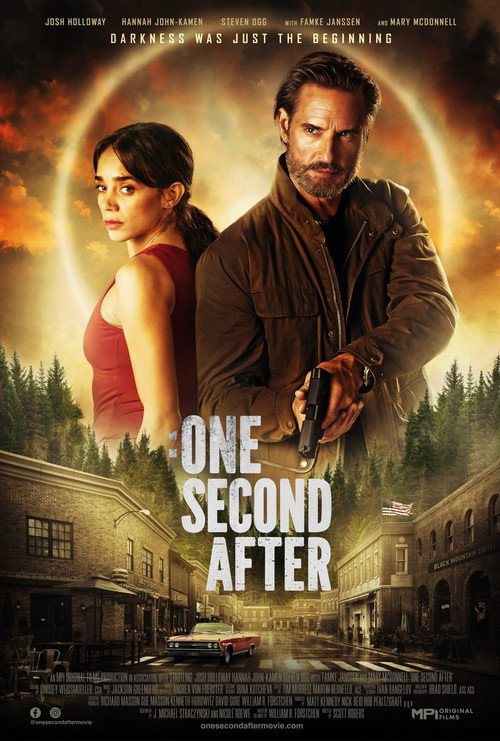
The upcoming film adaptation, directed by veteran stunt coordinator Scott Rogers in his feature debut, aims to bring this survivalist vision to a massive audience. Starring Josh Holloway as John Matherson, the production features a strong ensemble cast including Famke Janssen, Hannah John-Kamen, and Mary McDonnell. The screenplay, penned by J. Michael Straczynski and Nicole Roewe, seeks to capture the same tension that made the 2009 novel a New York Times bestseller.
What to expect: The film is set to hit theaters on April 30, 2027, and promises to be a high-stakes survival thriller. By grounding the story in the real-world geography of Black Mountain, the production team intends to emphasize that this is not just a distant sci-fi concept, but a scenario that forces ordinary people to make impossible moral choices when the rule of law evaporates.
The film will introduce the EMP scenario to a far larger audience than the book ever reached. For many viewers, it will be the first time they’ve considered what happens to their own community when the grid goes down.
What Fans Are Saying
The defenders: Many readers and survival enthusiasts praise the story for its educational value, noting that it encourages preparedness and highlights the dangerous over-reliance on fragile, centralized technology. They argue that even if the total collapse scenario is unlikely, the book serves as a necessary wake-up call regarding the security of our power grids.
The critics: Skeptics point out that the story relies on a worst-case scenario that ignores the resilience of modern systems and the complexity of global response. They argue that the book leans into fear-mongering rather than providing a balanced view of national security and infrastructure defense.
The middle: Most audiences view the story as a compelling piece of speculative fiction. Whether or not one believes an EMP is a realistic threat, the narrative succeeds as a character-driven drama about how communities hold together—or fall apart—under extreme pressure.
Conclusion
One Second After serves as a mirror to our modern dependency on the invisible networks that power our lives. Whether the film acts as a cautionary tale or simply a gripping survival thriller, it forces the audience to confront the reality of a world without the digital safety net. Ultimately, the story is less about the bomb and more about the resilience of the human spirit when everything else is stripped away.