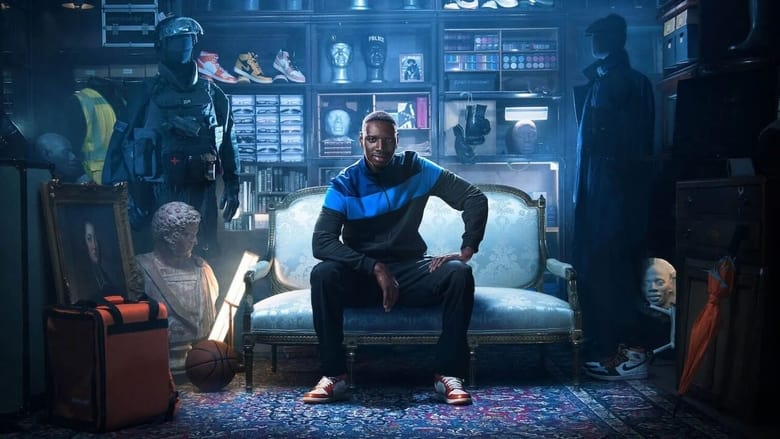
When Omar Sy first donned the cap of Assane Diop, Netflix arguably found its most charismatic leading man in years, transforming a classic French literary figure into a modern, nimble anti-hero. The show's ability to blend high-stakes larceny with deeply personal vendettas has kept audiences across the globe glued to their screens, waiting for the next impossible escape.
This analysis breaks down the formula of the show's success, exploring how its cultural resonance and narrative ingenuity have solidified Lupin as a cornerstone of modern streaming entertainment.
The Anatomy of a Modern Gentleman Thief
At the heart of Lupin's enduring appeal is the reinvention of Arsène Lupin, Maurice Leblanc’s iconic character, through the eyes of a man seeking justice rather than mere riches. The show does not rely on heavy-handed action, but rather on the intellectual superiority of Assane Diop. What worked: The series expertly utilizes the 'heist-of-the-week' format while weaving a serialized narrative about systemic injustice and family legacy that feels grounded and urgent.
The pacing is another triumph. By keeping episodes tight and centered around single, high-stakes operations, the show ensures that viewers are constantly rewarded with the satisfaction of a plan coming together—or the thrill of a pivot when things inevitably go wrong. This rhythm is essential for binge-watching, turning every cliffhanger into a compelling reason to keep clicking 'Next Episode.'
The show is not just about the heist; it is about the mask the protagonist wears to survive in a world that refuses to see him.
Cultural Resonance and Global Appeal
Lupin serves as a brilliant bridge between French cinema's rich history of character-driven drama and the polished, high-production aesthetic of international streaming giants. By tackling themes of racial bias and the class divide in contemporary Paris, it transcends its genre roots. What worked: The choice to center the narrative on the son of an immigrant, using the 'gentleman thief' trope as a subversive tool against the elite, resonates far beyond French borders.
Lupin scene 1
Critics have frequently noted that the show’s success is a testament to the fact that 'subtitles are no longer a barrier' for global audiences. The series thrives because it focuses on universal human emotions—loss, justice, and the love between a father and son—packaged within a slick, fast-paced thriller format that feels tailor-made for the Netflix algorithm.
Lupin works because it understands that the best heists aren't about the gold, but about the satisfaction of outsmarting the people who thought they were untouchable.
Why the Formula Works Where Others Fail
Many heist shows lose their way when the stakes escalate to world-ending proportions, but Lupin wisely keeps its feet firmly on the ground. The conflict remains personal. What worked: The focus on Assane's personal relationships—particularly with his ex-wife Claire and son Raoul—prevents the show from becoming cold or purely mechanical. This emotional tether makes the risks feel meaningful.
Lupin scene 2
What did not work: Some viewers argue that the show occasionally stretches the boundaries of 'suspension of disbelief' to its breaking point. While the ingenious schemes are part of the fun, minor logical leaps are sometimes necessary to keep the plot moving at its breakneck speed. However, for a show this entertaining, most fans are willing to forgive a few convenient coincidences in favor of a well-executed plot twist.
What Fans Are Saying
The reception for Lupin remains remarkably high, though discourse evolves with each new release. The defenders: Fans adore the charismatic presence of Omar Sy, noting that without his magnetic performance, the show might have fallen into generic territory. They praise the writing for maintaining high tension without resorting to excessive violence.
The critics: Some fans of the original books have pointed out the show's loose interpretation of the source material, though this has generally been seen as a minor grievance rather than a fatal flaw. The middle: Most viewers agree that while the show is not always 'prestige' television in the sense of high-brow critique, it achieves exactly what it sets out to do: provide top-tier, addictive, and smart entertainment that keeps the audience guessing.
Lupin scene 3
The Verdict: Why Lupin Stays on Top
Ultimately, the longevity of Lupin comes down to its consistency and its heart. It manages to balance the coolness of a heist movie with the warmth of a family drama, a feat that is far more difficult than the production makes it look. The verdict: The show remains a streaming giant because it never forgets that the audience is watching to see how Assane wins, but staying to see if he can ever truly be whole.
Whether it continues for years or concludes with a final flourish, the legacy of this series is already secured. It has proven that with the right lead and a sharp script, the classic 'gentleman thief' can remain as vital in the digital age as he was in the novels of the early 20th century. Lupin is, and will likely remain, the gold standard for contemporary streaming heists.