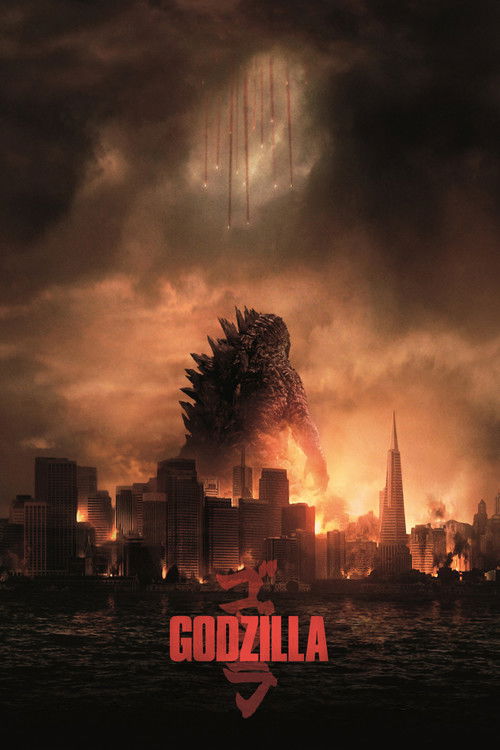
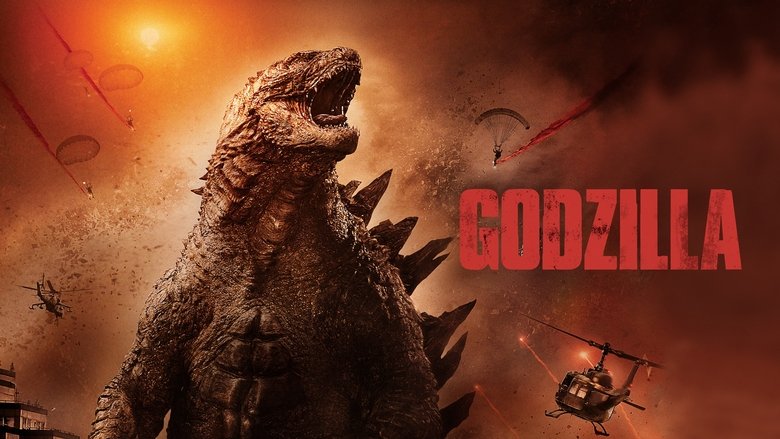
When the dust settles after a Godzilla rampage, the craving for gargantuan battles and city-leveling destruction rarely fades away. The kaiju genre offers a specific brand of cathartic, high-stakes spectacle that blends modern disaster tropes with classic creature-feature DNA.
If you are looking to expand your monster movie horizons, these selections deliver unforgettable scale, innovative creature design, and the thematic weight that makes the genre more than just giant brawls.
Pacific Rim
Directed by Guillermo del Toro, Pacific Rim is the ultimate love letter to the giant monster genre. While Godzilla focuses on the internal politics of nature, this film pivots to a desperate defense of humanity using massive piloted mechs known as Jaegers. The film thrives on its neon-drenched aesthetic and a profound sense of weight that makes every punch feel impactful.
What worked: The practical effects and the sheer scale of the battles in the rain-slicked streets of Hong Kong remain a benchmark for the genre. What did not work: Some viewers felt the human-centric subplots were secondary to the action, though this is common for high-concept blockbusters. The verdict: An absolute essential for anyone who values top-tier visual storytelling and world-building.
Pacific Rim doesn't just feature monsters; it creates a mechanical ballet of destruction that honors the history of the genre while pushing it into the future.
Shin Godzilla
For those who preferred the darker, more unsettling roots of the original 1954 film, Shin Godzilla is an essential watch. This version strips away the heroic tropes and presents the creature as a terrifying, evolving force of nature that defies biological logic. It is a biting satire of bureaucratic inertia, showing how a modern government might truly struggle to contain an impossible threat.
Godzilla scene 1
What worked: The relentless, cold approach to the disaster management angle makes the threat feel genuinely grounded in reality. What did not work: The pacing is significantly more meditative and dialogue-heavy than Hollywood iterations, which may alienate fans of pure adrenaline. The verdict: A masterpiece of modern Japanese cinema that forces you to respect the monster.
Cloverfield
Cloverfield brought a claustrophobic, "found footage" perspective to the giant monster genre, grounding the apocalypse in the chaos of a single group of friends in New York City. By keeping the creature largely off-screen or obscured by debris, the film builds an unparalleled sense of dread that contrasts sharply with the spectacle-heavy Godzilla films.
What worked: The handheld camera work provides an immersive experience that makes the viewer feel like they are dodging skyscraper debris alongside the characters. What did not work: The extreme motion in the camera work can be physically jarring for some viewers. The verdict: An essential exercise in tension and mystery that proves monsters don't need to be in every frame to be terrifying.
Godzilla scene 2
The terror of a giant monster is not just in its size, but in the helplessness of the world trying to cope with an entity that simply does not care.
Colossal
If you want a more indie, psychological take on the kaiju genre, Colossal is the perfect pivot. It uses the giant monster as a metaphor for personal baggage and toxic behavior, linking a woman in America to a monster manifesting in Seoul. It is strange, funny, and deeply human, proving that monster movies can be just as much about emotional growth as they are about city destruction.
What worked: Anne Hathaway's grounded performance anchors a truly bizarre concept, making the emotional stakes feel just as big as the physical ones. What did not work: It is decidedly not a traditional action movie, which can leave those looking for non-stop brawls disappointed. The verdict: A brilliant subversion of the genre that explores the 'monster' within us.
Godzilla scene 3
The Host
Bong Joon-ho's The Host remains one of the finest monster movies ever produced, blending dark humor, political critique, and genuinely frightening creature encounters. When a creature emerges from the Han River in Seoul, the focus remains squarely on a dysfunctional family trying to rescue their daughter, providing a emotional core that is often missing from big-budget blockbusters.
What worked: The creature design is grotesque and realistic, and the film maintains a perfect balance between slapstick humor and intense drama. What did not work: The shifting tones can be surprising for those expecting a singular, serious tone. The verdict: A triumph of storytelling that proves the best monster movies are always about the people, not just the beast.
Final Thoughts
The beauty of the kaiju genre lies in its malleability; it can be a terrifying metaphor, a high-octane battle royale, or a deeply personal drama. Whether you prefer the massive scale of Pacific Rim or the psychological intimacy of Colossal, these films expand the definition of what a monster movie can accomplish. Seek out these titles to experience the full spectrum of what happens when the ordinary world is disrupted by the extraordinary.