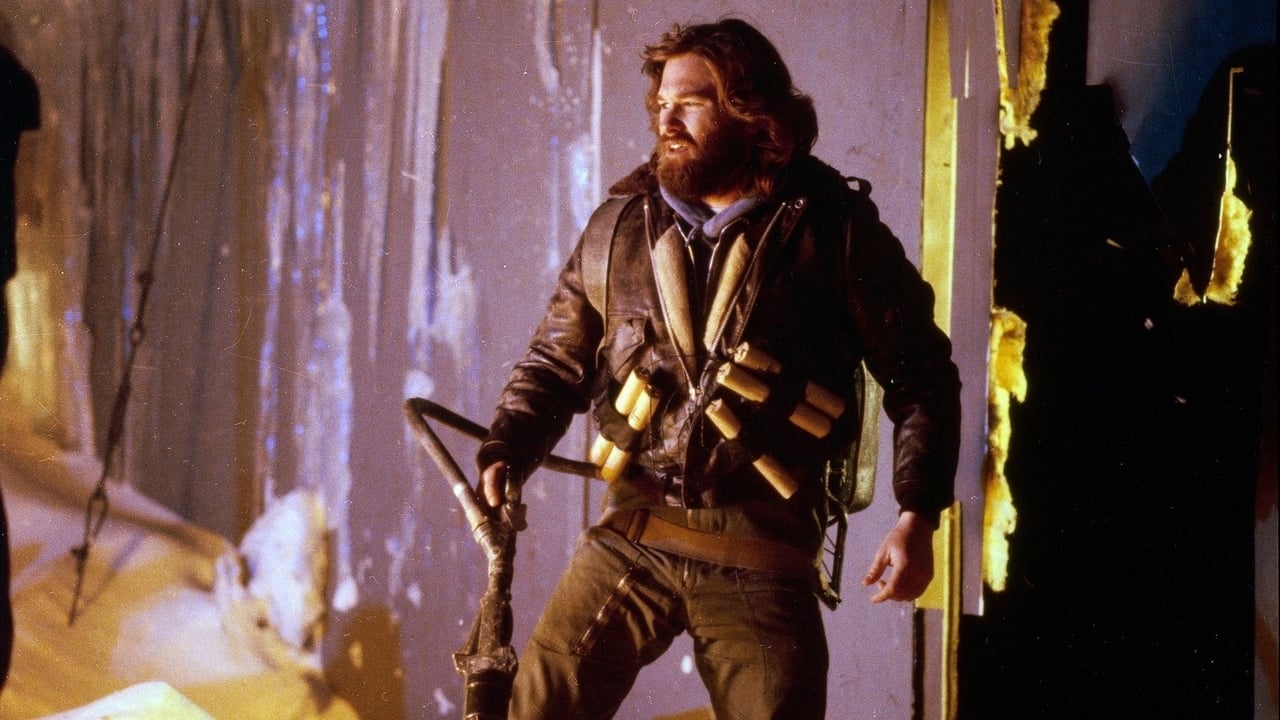
The Thing Ending Explained: Is Childs the Thing?
⚠️ Spoiler Warning
This article contains major spoilers for The Thing (1982). Read only if you have already seen it.
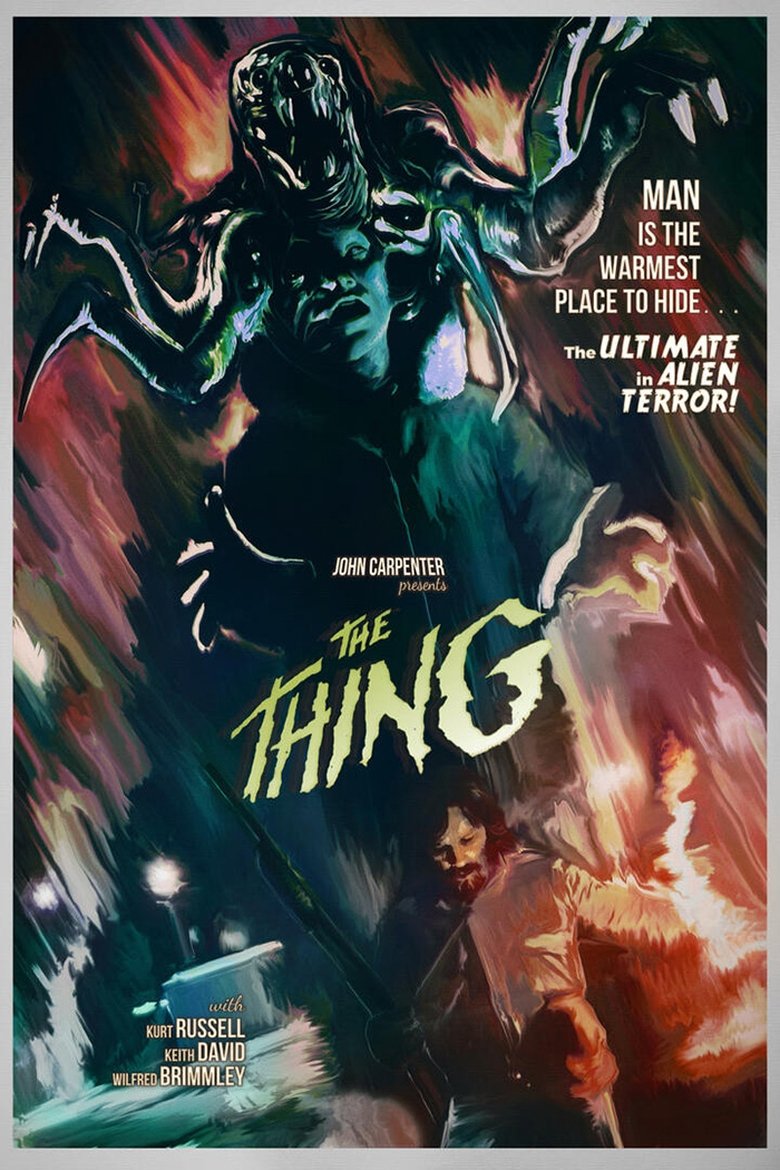
John Carpenter's The Thing ends with two men sitting in the freezing wreckage of an Antarctic research station, sharing a bottle, neither knowing if the other is human. The film does not tell you. It was designed not to. Here is what is confirmed, what Carpenter has said, and what the final image actually means.
The short answer: the ending is deliberately unresolved. The longer answer is that the entire film is built on the impossibility of certainty, and the final scene is the thesis made literal.
Quick Answer
A shape-shifting alien has infiltrated a twelve-man American research crew at U.S. Outpost 31 in Antarctica. It absorbs and imitates its victims perfectly. Over the course of the film the men turn on each other, test each other, and kill each other, until only R.J. MacReady (Kurt Russell) and Childs (Keith David) are left alive in a station they have burned to the ground to stop the creature from reaching the mainland. They sit in the cold, share a drink, and wait.
TL;DR: The film refuses to answer whether either of them is the Thing. That refusal is the point.
The Ending, Scene by Scene
After MacReady destroys the station with dynamite, he collapses in the snow. Childs appears, having left the camp during the chaos, claiming he saw someone outside and went after them. MacReady asks how he could have walked through the blizzard without freezing. Childs has no clear answer. They sit in the burning rubble. MacReady hands Childs the bottle. Childs drinks. MacReady laughs quietly and says, why don't we just wait here for a little while, see what happens. The film ends.
"Carpenter has said he wanted the audience to leave the theater arguing. The bottle, the eye light, the breath, every detail was placed to feed both readings. There is no answer hidden in the frame. The answer is that there is no answer."

Is Childs the Thing?
Confirmed: John Carpenter has said repeatedly that the ending is intentionally ambiguous and that he does not know which of them, if either, is the Thing. He has said he built the film to sustain every theory the audience brings to it. The camp doctor, Blair, earlier calculates that the creature could imitate a person so completely that the person would not know they were imitated. This means even the characters cannot trust themselves.
Strongly implied: Several details point toward Childs. He disappears during the final attack without explanation. He wears a dark coat, when the others wore lighter gear, and the creature is associated with dark, shifting mass. His breath is visible but the cold does not seem to bother him. His eyes catch the firelight in a way some viewers read as a tell.
Interpretation: Other details point the other way. MacReady hands Childs the bottle, and some read this as a test, since the Thing would have no reason to drink. MacReady himself has been accused by viewers of being the Thing, because he was alone with the creature for stretches the film does not show. Carpenter has encouraged both readings and refused to settle either.
What the Director Has Said
Carpenter has said the film is about paranoia, about the impossibility of knowing who the other person really is, even who you are. He has said the creature is a metaphor that does not need a single meaning. He has also said the production was grueling and the initial reception brutal, and that the film found its audience only years later on home video, where people could watch the creature effects frame by frame and argue about the ending.
He has acknowledged the fan theory about the bottle and the eye light and has said he does not confirm or deny it. The film, in his words, is a question, not an answer.
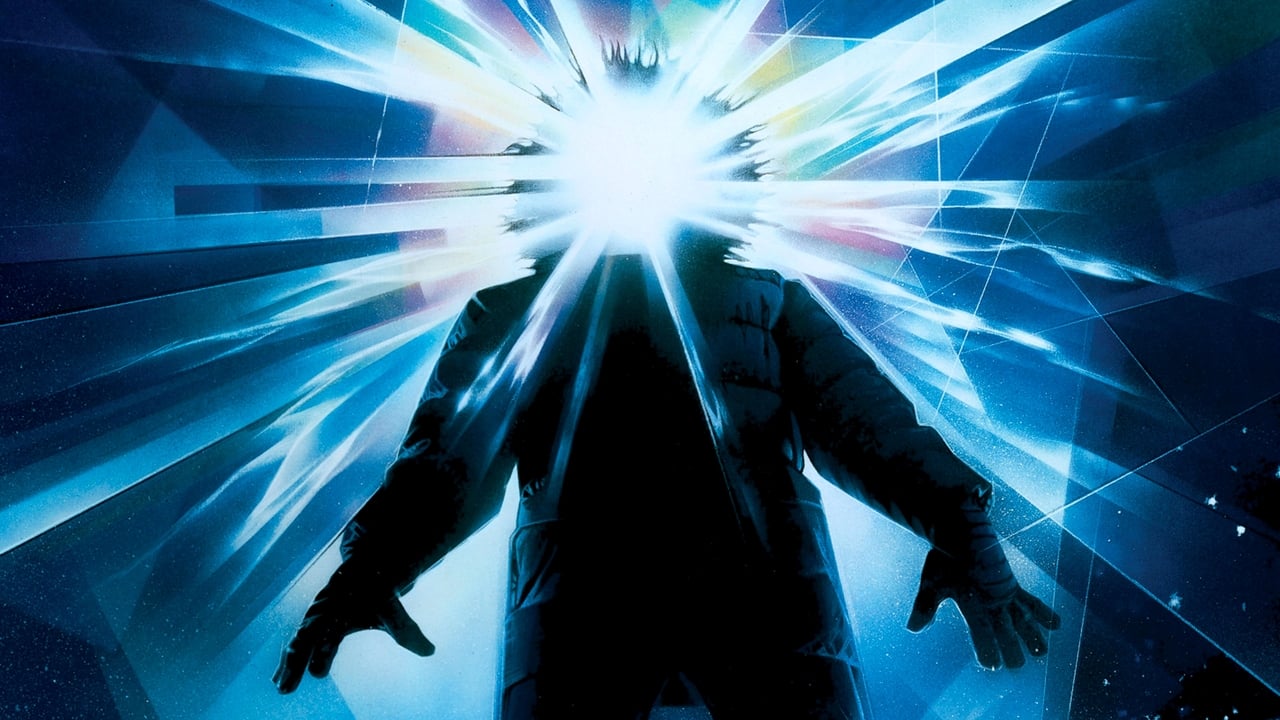
The Blood Test
The central set piece of the film is the blood test. MacReady, having figured out that each part of the Thing is a separate organism with its own survival instinct, ties each man to a chair, heats a wire, and touches it to a sample of their blood. A man's blood sits still. The blood of the Thing recoils and screams. The test works because the creature cannot suppress its self-preservation even in a single drop. The scene is the one moment of certainty in the film, and it is the reason the final scene works as the opposite. After the test, there are no more tests.
MacReady destroys the station because he understands that containing the creature matters more than surviving it. If he is the Thing, burning the station is a ruse. If he is human, it is a sacrifice. The film lets both stand.
The Nature of the Thing
The creature is never given a name beyond the Thing. It crashes on Earth a hundred thousand years before the film, frozen in ice, and is dug up by a Norwegian research team that it consumes. It can imitate any living thing, but it cannot imitate inorganic material. A man who was still human would still have metal fillings in his teeth. The film does not use this tell as cleanly as later fans have wished, which is part of why the ending stays open. The ambiguity is not a flaw. It is the architecture.
"MacReady says, why don't we just wait here for a little while, see what happens. He has no plan left. He has given up on certainty and accepted the cold. That is the real ending of the film: the surrender of knowing."

Frequently Asked Questions
Is Childs infected at the end of The Thing?
The film never confirms it. John Carpenter has said he intentionally left it ambiguous. The final scene of MacReady and Childs sharing a bottle in the burning camp is designed so the audience cannot know which of them, if either, is the Thing.
Does MacReady survive?
It is left unclear. MacReady sits in the freezing rubble with Childs. He suggests they just wait and see what happens. Whether he is human or infected is never resolved.
What is the blood test scene about?
MacReady realizes each piece of the Thing is a separate organism that will react to save itself. He tests blood samples with a hot wire. Any blood that moves or leaps is infected. This scene isolates who is still human.
Why is the ending so debated?
Carpenter built the film on paranoia and the impossibility of certainty. The final image of two men who might both be human, or might not, is the thesis of the film: the real horror is never knowing.
Final Verdict
The ending of The Thing is a campfire in a blizzard and two men who might be the same species or might not. Carpenter did not give you an answer because the film is about the impossibility of one. The camp burns. The cold comes. Whatever is left, if anything, walks into the snow. The film trusts you to live in the not knowing.
The scariest thing in The Thing is that you will never know. That was the design from the first frame.
Related Ending Explained Guides
Written by StreamRoulette Editorial
You May Also Like


Not Sure What to Watch Next?
StreamRoulette picks your next film in seconds — based on mood, genre, or platform.
Try StreamRoulette