This article contains major spoilers for Harry Potter and the Philosopher's Stone. Read only if you have already seen it.
When Harry Potter and the Philosopher's Stone first hit theaters, it did more than just adapt a beloved book; it ignited a global phenomenon that defined a generation. Revisiting the film on Max reveals the foundational wonder that made the Wizarding World feel so tangible, grounding its high-stakes magic in the relatable struggles of an orphaned boy finding his place in the world.
This article explores why the debut entry remains the heart of the franchise, the enduring legacy of Chris Columbus's vision, and why it is the perfect starting point for your next streaming marathon.
The Foundation of a Global Phenomenon
Stepping back into the halls of Hogwarts for the first time feels like coming home. In this introductory chapter, director Chris Columbus successfully translated J.K. Rowling’s literary vision into a cinematic reality that respected the source material while establishing a visual language that would persist for a decade. The film captures the quintessential essence of discovery—the moment Harry realizes that the world is far larger and more dangerous than the cupboard under the stairs.
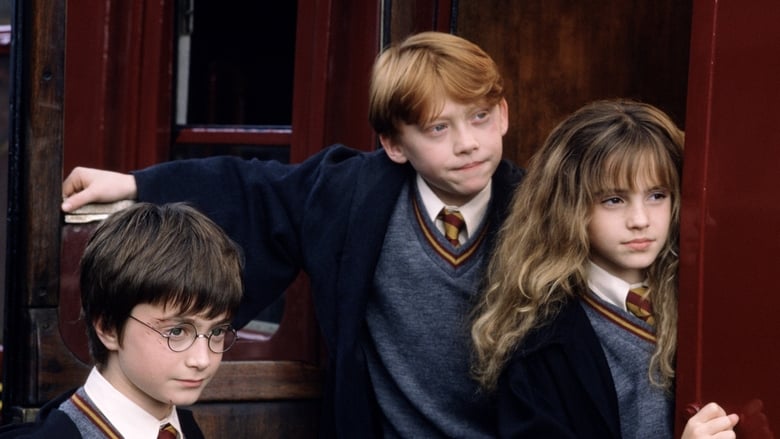
What worked: The casting choices remain unparalleled in film history. Finding the perfect trio in Daniel Radcliffe, Emma Watson, and Rupert Grint provided the emotional anchor for the entire series. When coupled with the seasoned gravitas of legends like Richard Harris, Maggie Smith, and Alan Rickman, the film achieves a rare balance between childhood innocence and genuine, looming darkness.
The magic of this film lies in its restraint; it relies on practical wonder and a sense of discovery rather than an over-reliance on spectacle.
A Technical Masterclass in World-Building
The production design of the first film set a benchmark for fantasy cinema. From the moving staircases of Hogwarts to the bustling, claustrophobic atmosphere of Diagon Alley, every frame feels lived-in. The attention to detail suggests a history that extends far beyond the edges of the screen, rewarding repeat viewings with hidden gems and subtle foreshadowing that pays off in later installments.
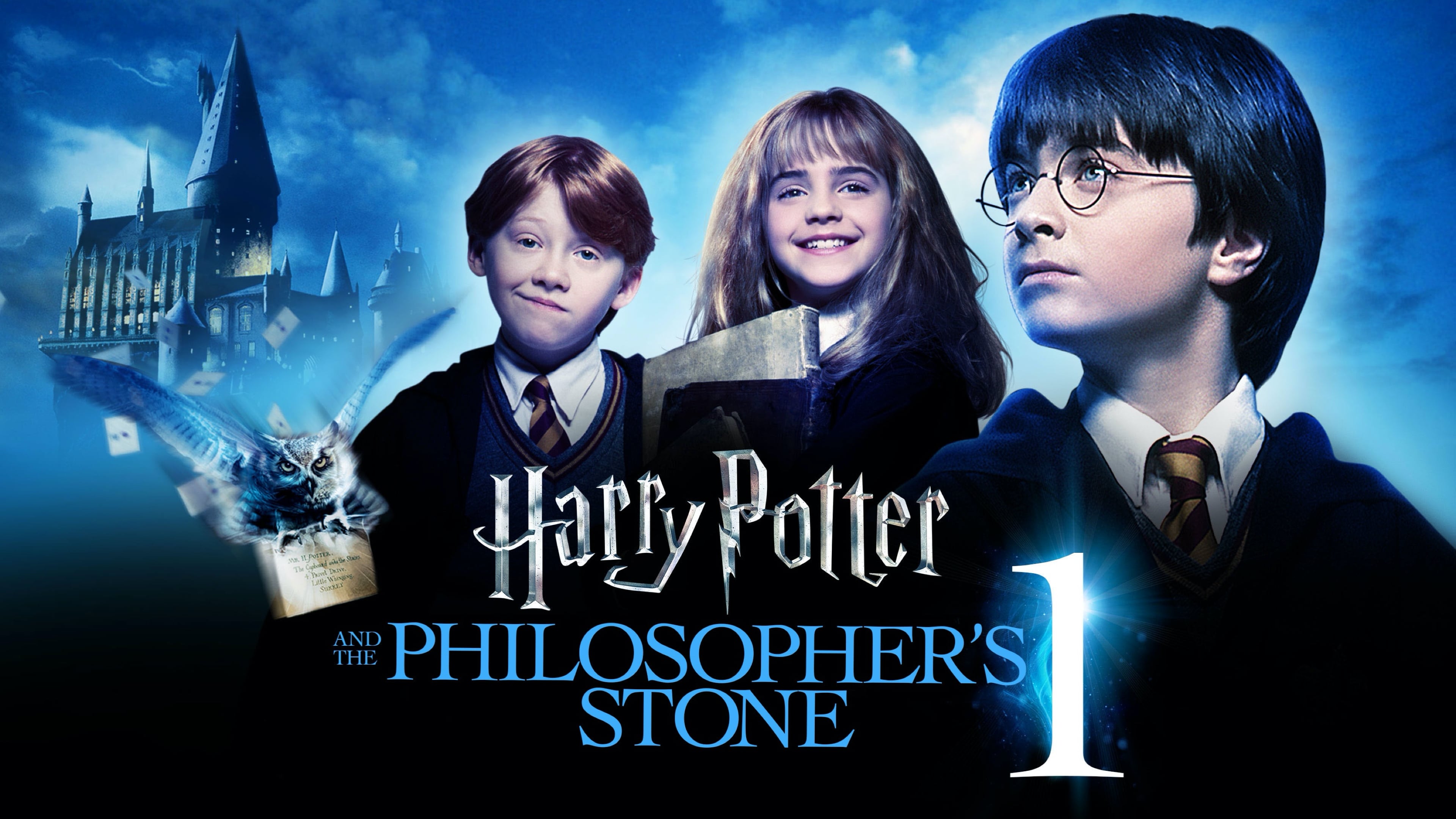
Harry Potter and the Philosopher's Stone scene 1
What did not work: While the visual effects were groundbreaking in 2001, some sequences involving creatures like the mountain troll have aged noticeably in the era of high-definition streaming. However, many fans argue that these early digital hiccups only add to the film's nostalgic charm, separating it from the hyper-polished digital environments of modern blockbusters.
As critics noted during its initial release, the film is a triumph of atmosphere, successfully managing to turn a dense narrative into an accessible, sprawling adventure.
Why It Remains Essential Viewing on Max
With the entire franchise readily available on Max, starting with the first film is the ultimate way to appreciate the character arcs of Harry, Ron, and Hermione. Seeing the children as they are in their first year—vulnerable, curious, and largely ignorant of the shadow of Voldemort—provides the necessary contrast for the darker, more mature themes that emerge in later chapters. It is the beginning of an epic journey, and it holds up remarkably well as a standalone piece of family cinema.
The verdict: The film remains an absolute masterpiece of its genre. Whether you are showing it to a new generation or revisiting it for your tenth watch, the emotional payoff of Harry finding his first true friends remains just as resonant today as it was over two decades ago.
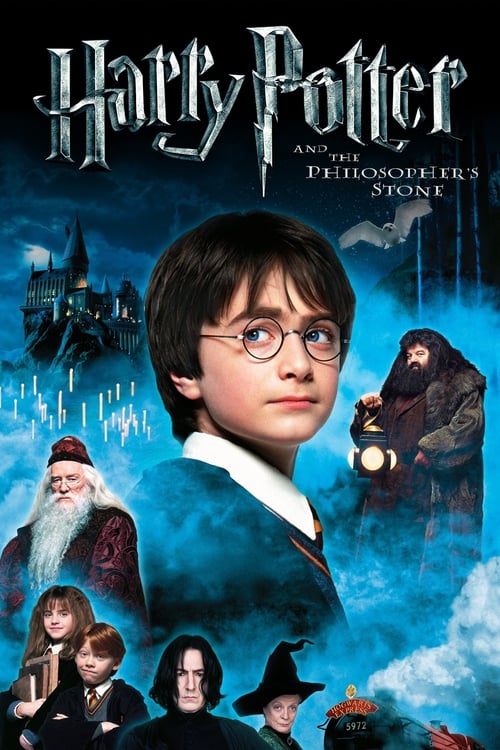
Harry Potter and the Philosopher's Stone scene 2
The Fan Perspective and Legacy
The defenders: Loyalists argue that the film captures the 'cozy' aesthetic of the series better than any of the subsequent directors. For these fans, the warm lighting and whimsical score are synonymous with the comfort of the Wizarding World.
The critics: Some modern viewers point to the pacing, noting that the need to introduce so much world-building makes the runtime feel heavy. They argue that the film acts more like a checklist of book events rather than a standalone cinematic narrative.
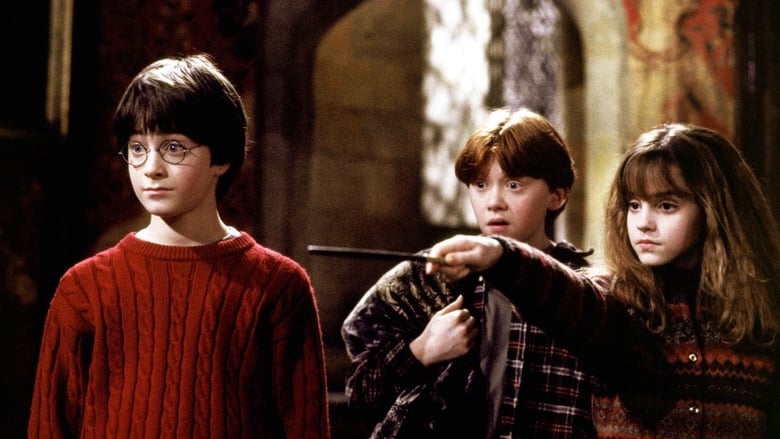
Harry Potter and the Philosopher's Stone scene 3
The middle: Most viewers agree that regardless of its flaws, the film’s status as a cultural cornerstone is undeniable. It is a portal to a franchise that transformed the way we consume fantasy literature and film, and it demands to be watched on the best screen in your house.
Conclusion: The Magic Never Fades
Ultimately, Harry Potter and the Philosopher's Stone acts as the bedrock for the most significant fantasy franchise of the modern era. Its ability to create a sense of belonging for the viewer is its greatest strength, turning the abstract idea of a secret magical society into a place we all wish we could visit by owl post.
It is more than just a movie; it is a cultural touchstone that continues to find new audiences every single day. If you are looking for a reason to return to Hogwarts, take this as your sign—the magic is still waiting for you on Max.