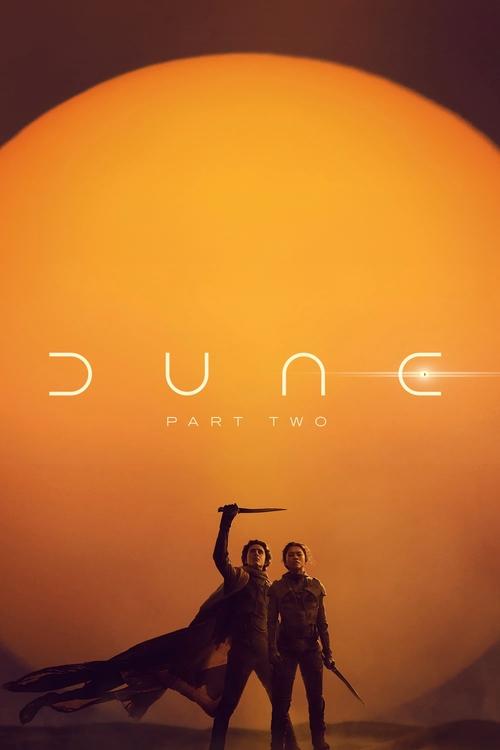
This article contains major spoilers for Dune: Part Two. Read only if you have already seen it.
Following the massive success of Dune: Part Two, Denis Villeneuve has officially set his sights on the final piece of his sci-fi epic. Based on Frank Herbert's seminal second novel, the upcoming film promises to shift the focus from the hero's rise to the devastating consequences of his absolute power.
We break down the expected release timeline, confirmed cast members, and why this installment is being framed as a dark, subversive ending to the Atreides saga.
The Path to Messiah
Denis Villeneuve has long expressed his desire to treat the first two Dune films as a singular project, with Dune: Messiah acting as the necessary conclusion. While the first two films explored the rise of the Lisan al-Gaib, the third film will pivot toward the inevitable disillusionment of that messianic mythos.
The script is currently in active development, with Villeneuve prioritizing a refined screenplay over a rushed production schedule. The filmmaker has remained adamant that he will not begin principal photography until the narrative structure is perfect, ensuring the adaptation honors the complex, internal political struggles of Herbert's source material.
The adaptation of Messiah is the most challenging, as it is a story about the dangers of charisma and the burden of prophecy.
The Cast and Crew Returns
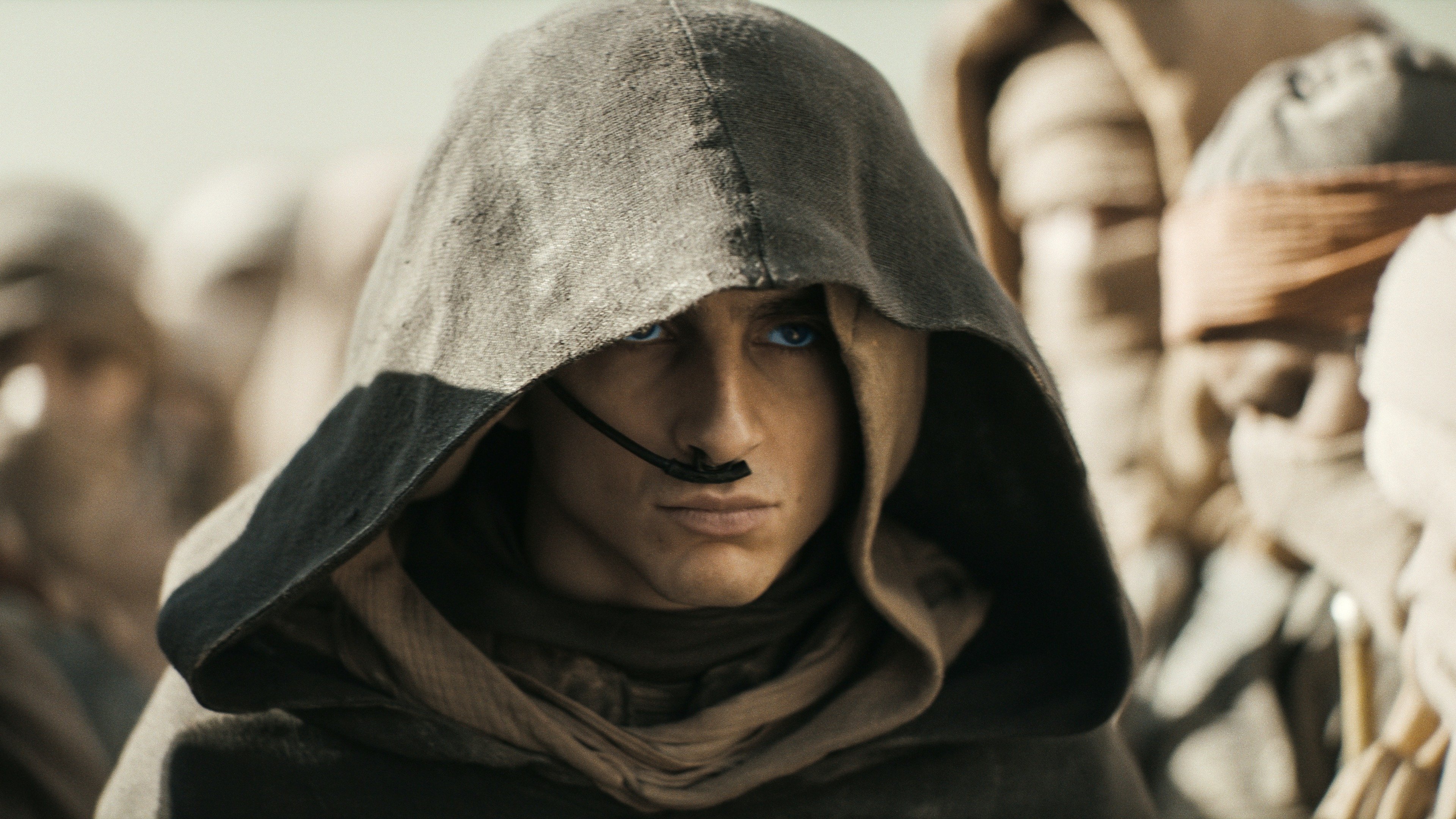
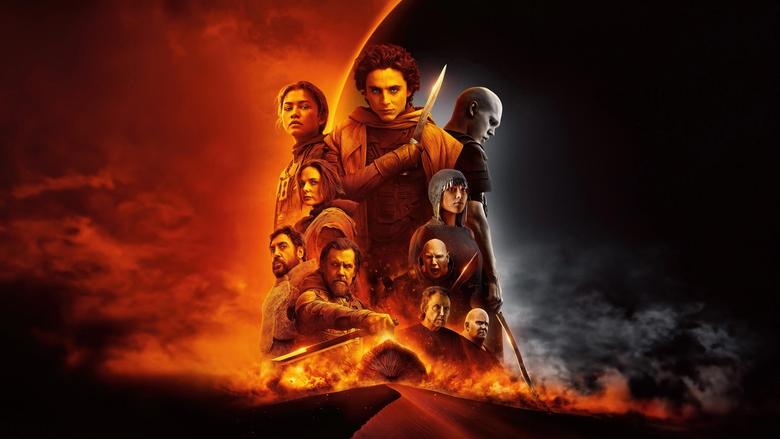
While official announcements regarding the full ensemble are still forthcoming, the core survivors of Dune: Part Two are expected to return. Timothée Chalamet will naturally anchor the film as Paul Atreides, though his portrayal will shift significantly as the character grapples with the fallout of the holy war he unleashed across the galaxy.
Dune: Part Two scene 1
Zendaya's Chani remains a pivotal figure, serving as the narrative's moral compass. Her character's arc in the books represents the primary antithesis to Paul's rise, and early reports suggest that the dynamic between the two will be the emotional centerpiece of the third film. Florence Pugh is also confirmed to return as Princess Irulan, whose perspective becomes essential as the political landscape of the Imperium collapses.
Plot Expectations and Thematic Shift
The thematic focus: Unlike the first two films, which lean into the spectacle of planetary warfare, Dune: Messiah is a much smaller, more intimate story about the isolation of power. The story jumps forward in time, showing an aged Paul who is trapped by the very prophecies he used to solidify his rule.
The antagonist threats: The story introduces new layers of political maneuvering from the Bene Gesserit and the remnants of the Spacing Guild. We expect to see more of the Tleilaxu, whose involvement in the plot introduces the concept of gholas—a major narrative reveal that will drastically alter the stakes for the returning cast.
Paul is not a hero in the traditional sense; he is a man watching his own life become a prison of his own making.
What Fans Are Saying
The defenders: Loyalists to the book series are thrilled that Villeneuve is tackling the third book, noting that it is the necessary 'coda' to Frank Herbert's original vision. They argue that without Messiah, the story of Paul Atreides is merely a standard power fantasy, whereas the third film cements the series' status as a warning against leaders.
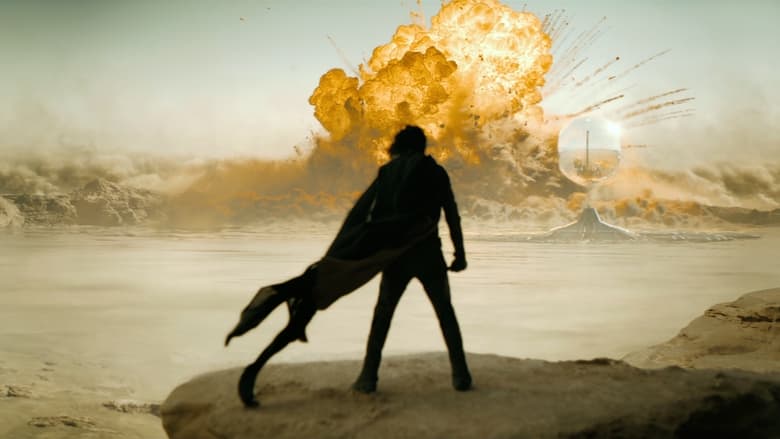
Dune: Part Two scene 2
The critics: Some viewers have voiced concerns that the time jump and the shift into heavier philosophical territory might alienate casual audiences who enjoyed the action-heavy beats of Dune: Part Two. There is a fear that the film may feel too slow or internal compared to the massive scale of the previous chapters.
The middle: Most observers agree that if any director can successfully adapt the dense, hallucinatory writing of the later Dune books, it is Villeneuve. The general consensus remains that regardless of its accessibility, the third film is a creative requirement for the director to complete his artistic statement.
The Verdict and Future of the Franchise
What worked: The transition from the hero's journey to the tragedy of a failed savior is one of the most compelling arcs in literature, and Villeneuve’s visual language is perfectly suited to capture the claustrophobia of Paul's palace life.
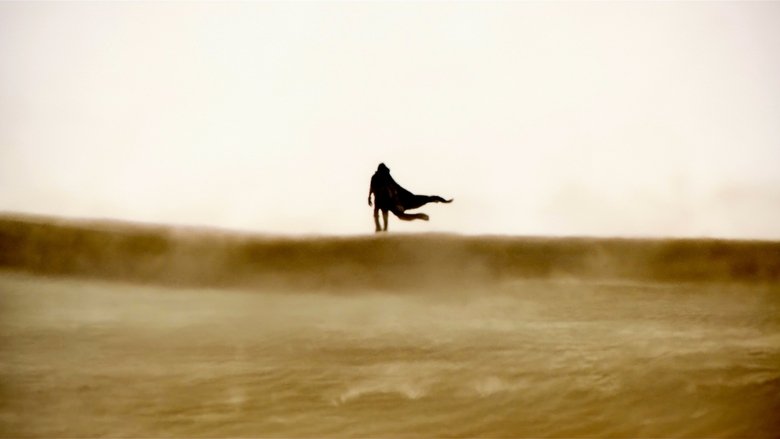
Dune: Part Two scene 3
What did not work: There is little to criticize regarding the production phase, though the long wait between the second and third films could cause a cooling of public interest if not managed with strategic promotional releases.
The verdict: Expect Dune: Messiah to be the most divisive, yet perhaps the most intellectually rewarding entry in the franchise. It will move away from the blockbuster tropes of the first two films to deliver something far more haunting.
Ultimately, the conclusion of this trilogy is set to redefine science fiction cinema for the next decade. By refusing to give the audience a traditional happy ending, Villeneuve is betting on the maturity of his audience to accept the grim, inevitable truths of the Atreides dynasty. It will be the final, chilling note in a masterpiece of modern adaptation.