This article contains major spoilers for Dig. Read only if you have already seen it.
Amy Poehler and Mike Schur return to the workplace comedy format with Dig, a series that trades the halls of local government for the dusty trenches of a Greek archaeological site. While the premise promises a high-stakes mystery, the show finds its true rhythm in the quiet, evolving dynamics between its four central women.
This review covers the show's comedic pacing, the chemistry of its ensemble cast, and the twist-filled finale that redefines the role of Hugh Laurie’s mentor character.
A Familiar Foundation
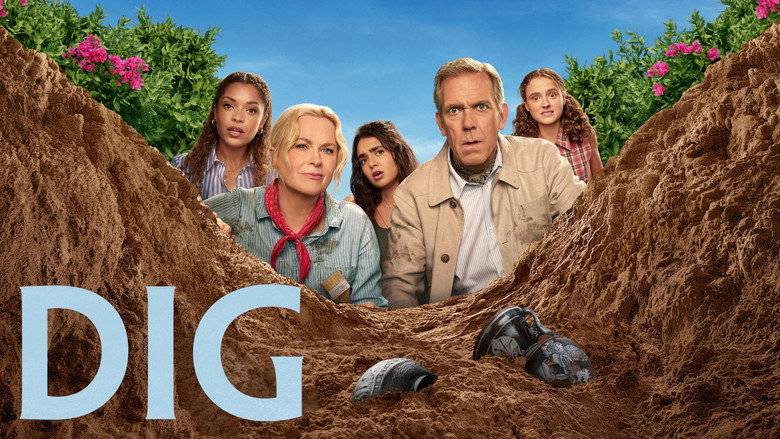
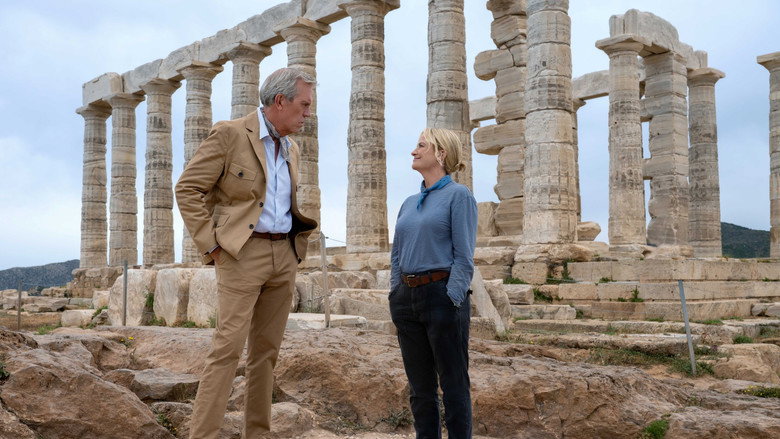
At its core, Dig is a series that wears its pedigree on its sleeve. Reuniting Amy Poehler with co-creator Mike Schur, the show inevitably draws comparisons to their previous work on Parks and Recreation. Poehler stars as Elise, a dedicated but weary archaeologist who has spent fifteen summers waiting for her mentor, Neville, played by Hugh Laurie, to finally retire. While Elise shares a workaholic streak with Leslie Knope, she is defined by a hard-earned bitterness that makes her a more grounded, cynical protagonist.
The series, based on the 2023 novel Excavations by Kate Myers, follows a group of four women who discover a 2,000-year-old statue of the goddess Hera. This discovery forces them into a covert operation to protect their find from being claimed by their superiors. What worked: The ensemble chemistry is the show's greatest asset. Geraldine Viswanathan, Antonia Thomas, and Fina Strazza provide a perfect foil to Poehler’s uptight leadership, creating a dynamic that feels both lived-in and genuinely supportive.
The trick is that you have to mislead the audience, but not lie to them, and so a breakthrough for us was that Dorothy should be part of it too, because then you can do this kind of semi-reveal. — Mike Schur
The Pacing of the Dig
What did not work: The series suffers from a slow start that struggles to balance its exposition with its comedic ambitions. The first few episodes are heavily focused on setting the scene in Greece, which often leaves the humor feeling secondary to the plot. Critics have noted that the show takes until the fifth episode, titled Hog’s Big Day, to truly find its comedic footing and allow the characters to shine.
Dig scene 1
Despite the slow burn, the show succeeds as a hangout comedy. It is at its best when it steps away from the international conspiracy plot and focuses on the small, character-driven moments between the leads. Whether they are chasing sheep off a road or navigating the eccentricities of their boss, the show excels at capturing the value of female friendship in a professional setting.
What Fans Are Saying
The defenders: Many viewers appreciate the show for its cozy, low-stakes atmosphere. Fans of the Schur-verse enjoy the familiar character archetypes, noting that the group dynamic mirrors the warmth and distinct personalities found in The Good Place. For these viewers, the show is a pleasant holiday diversion that succeeds because of its talented cast.
Dig scene 2
The critics: Some reviewers have pointed out that the show lacks the sharp, laugh-out-loud wit of earlier Schur projects. There is a sense that the series is somewhat surface-level, failing to reach the emotional depth or thematic complexity of other recent streaming comedies. The artificial look of the set has also been a point of contention for those expecting a more immersive visual experience.
The middle: Many viewers fall into a middle ground, acknowledging that while Dig is not the next television masterpiece, it remains an enjoyable watch. It is viewed as a reliable, comforting series that benefits from a strong ensemble, even if it does not reinvent the genre.
The Finale Explained
The season finale delivers a significant twist regarding the missing statue of Hera. While the group initially believes that Dorothy is responsible for the theft, the truth is far more calculated. It is revealed that Neville, the beloved mentor, orchestrated the entire conspiracy to sell artifacts under the table for financial gain. This reveal effectively flips the script on his character, transforming him from a bumbling, gregarious leader into the primary antagonist.
Dig scene 3
It feels like a very rich vein that we tapped into, and we’re hoping to mine it for a very long time. — Mike Schur on the potential for a second season
The Verdict
The verdict: Dig is a charming, if uneven, comedy that rewards patience. While it may not reach the comedic heights of its predecessors, it offers a heartfelt exploration of professional frustration and the bonds that form in unlikely places. It is a show that prioritizes character growth over high-octane thrills, making it a solid choice for those looking for a gentle, character-focused series.
Ultimately, the show succeeds as a testament to the power of its ensemble. With the mystery of the Hera statue resolved and Neville removed from the site, the series leaves the door open for future adventures. Whether or not Peacock greenlights a second season, the first ten episodes provide a satisfying, if occasionally dusty, journey through the world of archaeology.