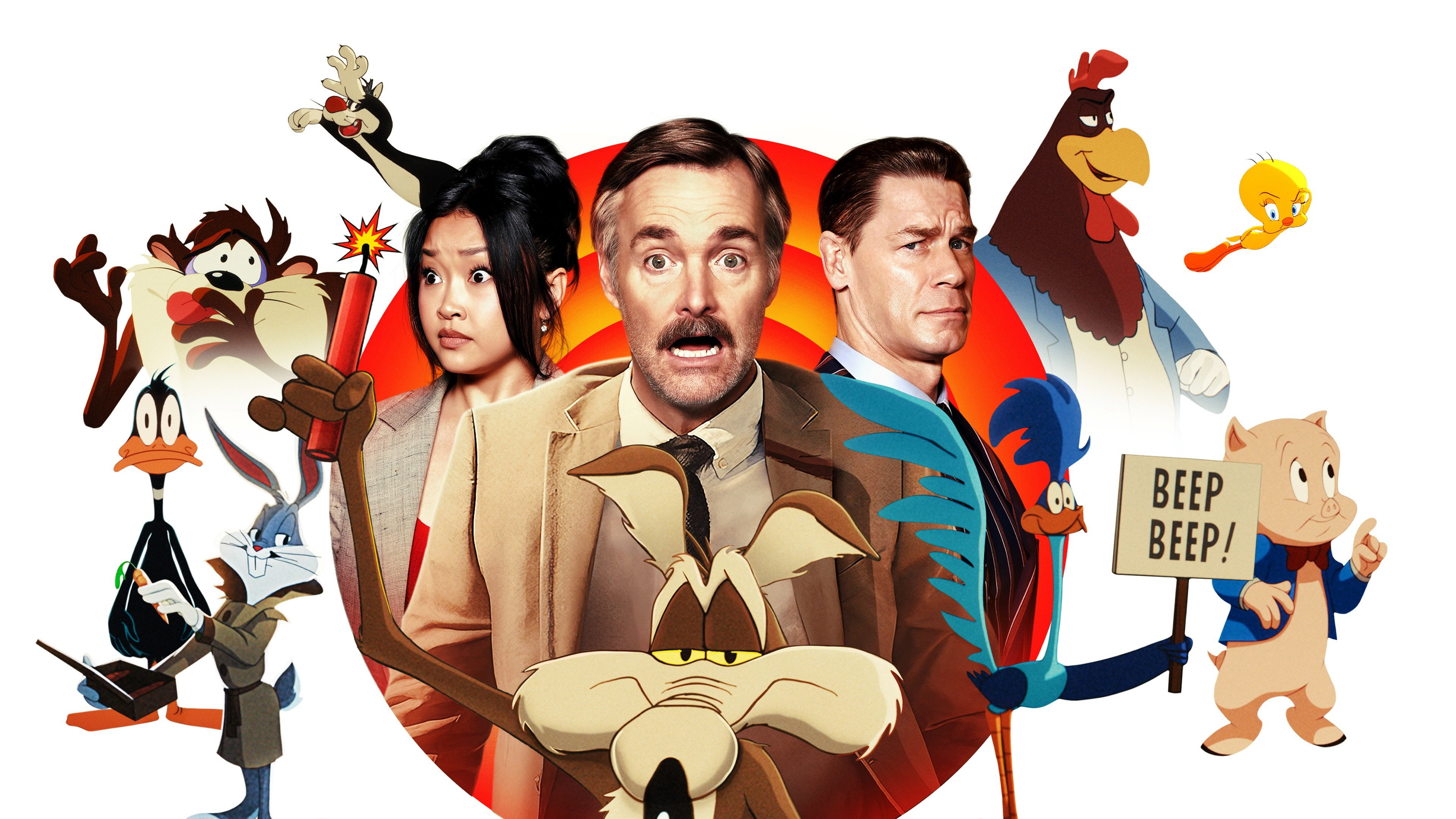
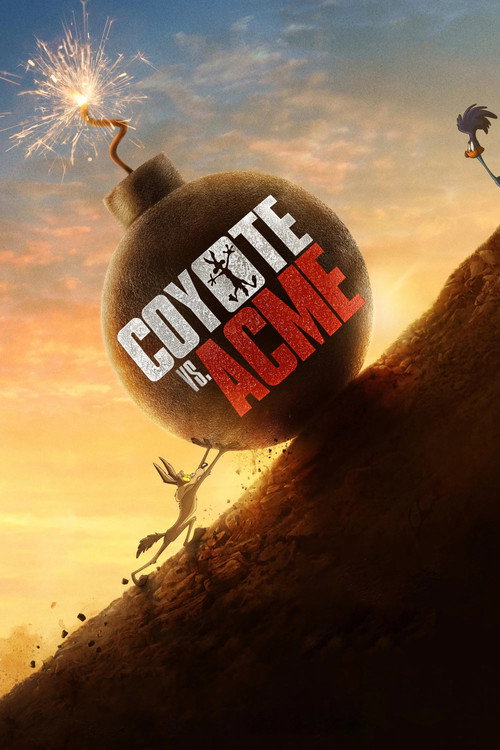
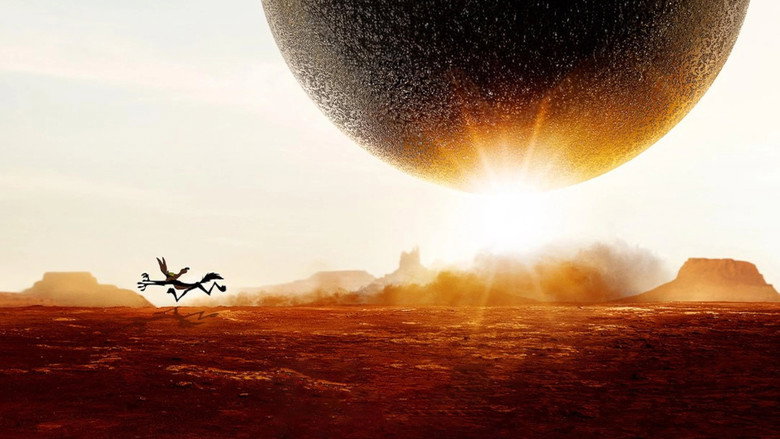
In the bizarre landscape of modern Hollywood accounting, few stories are as tragic or contentious as that of Coyote vs. ACME, a hybrid live-action/animation project that was completed only to be discarded. What was supposed to be a love letter to the Looney Tunes legacy became a symbol of a broken studio system where finished art is treated as a tax write-off.
This article explores the turbulent production history, the corporate decision-making that led to its cancellation, and the uproar from the creative community that forced a last-minute scramble to find the film a new home.
The Rise and Fall of a Modern Hybrid
Coyote vs. ACME was envisioned as a courtroom comedy where Wile E. Coyote finally sues the ACME Corporation for their defective products. With Dave Green directing and James Gunn producing, the project aimed to blend the slapstick anarchy of classic animation with a grounded, satirical legal premise. It was a project designed to breathe new life into an aging IP.
However, despite glowing test screenings and completed post-production, Warner Bros. Discovery announced in November 2023 that the film would be shelved for tax write-down purposes. This decision was met with immediate, visceral pushback from those involved in the production, who saw the film as a vibrant, finished product—not an asset to be liquidated for fiscal benefit.
The film was completed, it was tested, and it was embraced. To discard it for accounting reasons felt like an insult to everyone who poured their heart into the animation.
The Tax Write-Down Controversy
The core of the issue lies in the strategy utilized by Warner Bros. Discovery under CEO David Zaslav. By designating finished projects as tax write-downs, the studio can recoup the costs of production against their taxes, essentially choosing to treat a film as a total loss rather than risking distribution costs. Coyote vs. ACME was the latest victim following Batgirl and Scoob! Holiday Haunt.
Coyote vs. ACME scene 1
Critics and industry insiders argued that this practice sets a dangerous precedent, discouraging creative risks and devaluing the work of thousands of craftspeople. The outcry was so significant that it forced the studio to reconsider, momentarily opening the doors for other distributors—like Amazon or Netflix—to bid on the rights to purchase and distribute the film.
What Fans Are Saying
The defenders: Fans and artists are largely united in their condemnation of the shelving. Many view the move as a purely soulless corporate decision that ignores the cultural value of the Looney Tunes brand and the genuine talent of the filmmakers.
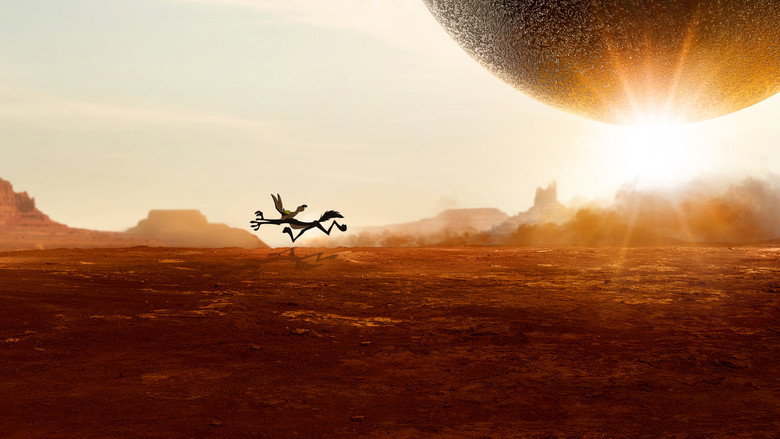
Coyote vs. ACME scene 2
The critics: Some industry analysts point to the harsh reality of the streaming era, where content saturation makes it difficult to justify theatrical releases for mid-budget films. They suggest that if the studio didn't believe the film would turn a profit, they were simply cutting their losses in a tightening market.
The middle: A smaller contingent of the audience remains curious but skeptical, noting that if the film was truly a hit in the making, the studio would have found a way to capitalize on it, questioning if there were perhaps deeper issues with the final edit that haven't been made public.
It is a terrifying time for creators when the accounting department has more influence over the release of a film than the director or the audience.
A Lingering Question Mark
Despite the initial attempts to sell the film to outside studios, the negotiations stalled, and the future of Coyote vs. ACME remains officially in limbo. It stands today as a ghost in the machine—a completed movie that technically exists, but is effectively locked in a vault, unavailable to the public who was its intended audience.
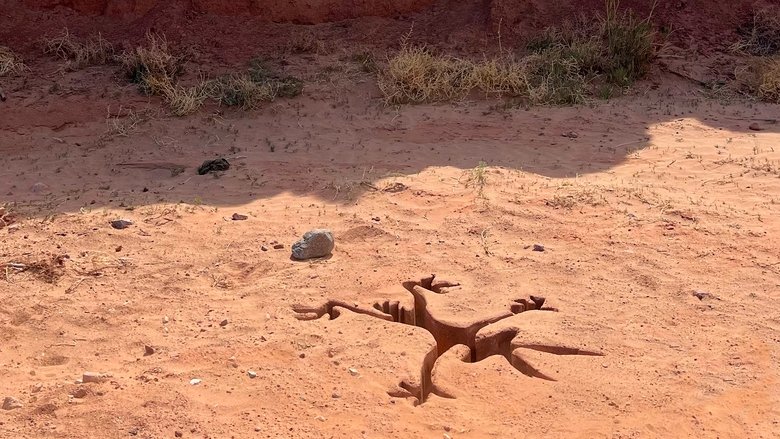
Coyote vs. ACME scene 3
What worked: The concept itself remains high-concept and brilliant, blending legal satire with the Looney Tunes universe. What did not work: The lack of a clear release path and the studio's desire to prioritize short-term tax advantages over brand equity. The verdict: Whether or not the film is a masterpiece, its legacy is now forever defined by the corporate drama that surrounded its non-release.
Ultimately, the story of Coyote vs. ACME serves as a grim cautionary tale for Hollywood. It highlights the tension between the artistic integrity of film production and the cold, unyielding calculations of corporate finance, leaving fans to wonder if we will ever see the day where the Coyote gets his day in court.