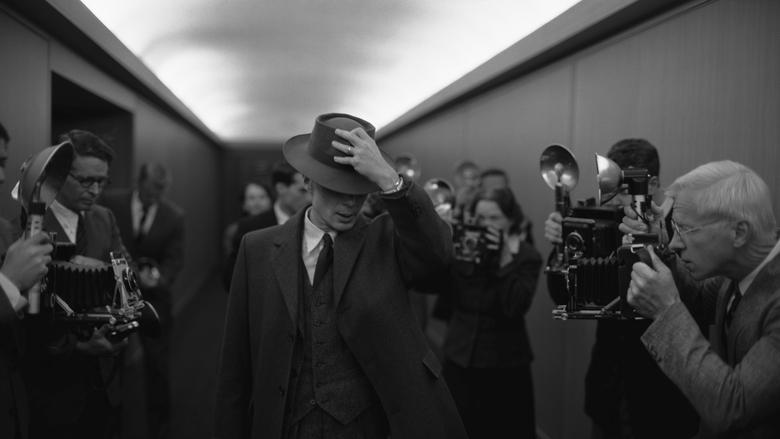
This article contains major spoilers for Oppenheimer. Read only if you have already seen it.
Few directors have managed to dictate the terms of modern blockbuster cinema with the unwavering precision and intellectual ambition of Christopher Nolan. From the fractured memory of his debut to the terrifying reality of the atomic age, his work consistently challenges the boundaries between entertainment and high-concept philosophy.
This guide explores the evolution of a visionary, ranking his filmography through the lens of narrative complexity, technical mastery, and his unparalleled impact on audience expectations.
The Early Days: The Logic of Fragments
Christopher Nolan arrived on the scene with a clear obsession: the instability of human perception. Before he was commanding nine-figure budgets, he was crafting taut, low-budget thrillers that utilized unconventional storytelling structures to force the audience into the same confused headspace as his protagonists. What worked: The sheer audacity of his non-linear timelines, particularly in his breakout hit Memento, redefined what an audience would tolerate from a puzzle-box mystery. The verdict: While his early films lack the visual grandiosity of his later work, they establish the DNA of his entire career.
The essence of Nolan's early work is the realization that if you control the flow of information, you control the viewer's emotional response.
The Blockbuster Transition: Scale Meets Soul
The middle period of Nolan's career is marked by a massive expansion in scope. Moving from the contained settings of Following and Insomnia to the towering, practical-effects-heavy landscapes of the Dark Knight trilogy and Inception, he proved that intellectual rigor didn't have to be sacrificed for massive spectacle. What worked: The transition to large-format IMAX photography changed the way we experience action sequences, making them feel tangible and grounded rather than weightless CGI spectacles. What did not work: Some critics argue that his reliance on exposition-heavy dialogue can occasionally stall the momentum of his more complex sci-fi constructs.
Oppenheimer scene 1
The Exploration of Time and Space
With Interstellar and Tenet, Nolan moved from the psychological to the cosmic. These films represent his most ambitious attempts to marry theoretical physics with the fundamental human desire for connection. What worked: The attempt to visualize complex concepts—like time dilation or entropy reversal—through practical effects remains a crowning achievement in cinematic history. The verdict: These films are polarizing for a reason; they demand total surrender to the logic of their world-building, which can sometimes come at the cost of traditional narrative empathy.
Oppenheimer scene 2
Nolan doesn't just want you to watch the clock; he wants you to understand that the clock is a subjective tool of human invention, not an objective truth.
The Historical Turn: Reality as the Ultimate Tension
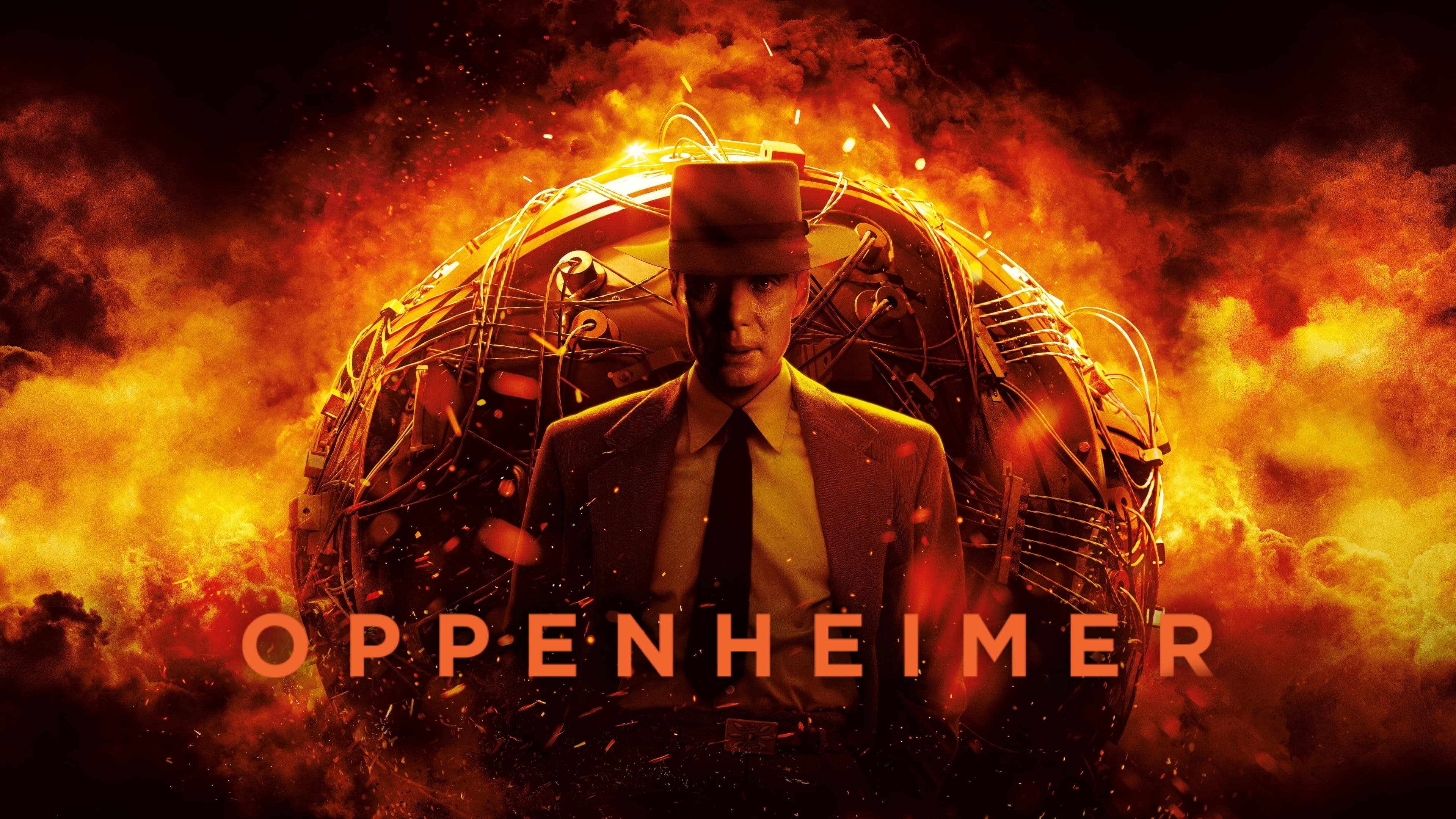
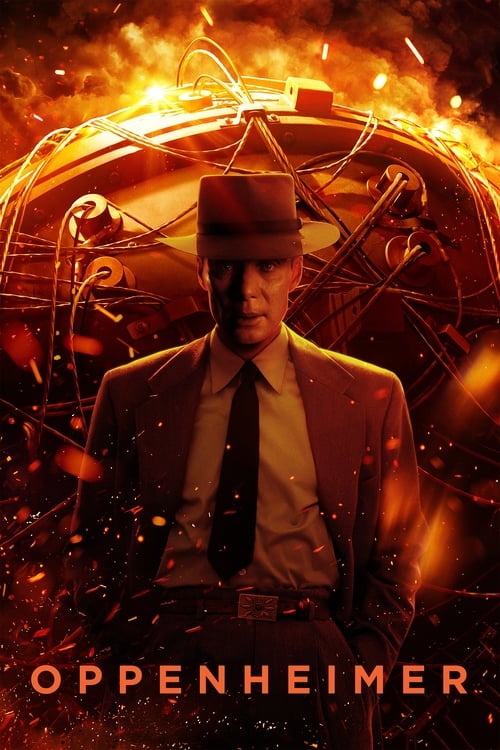
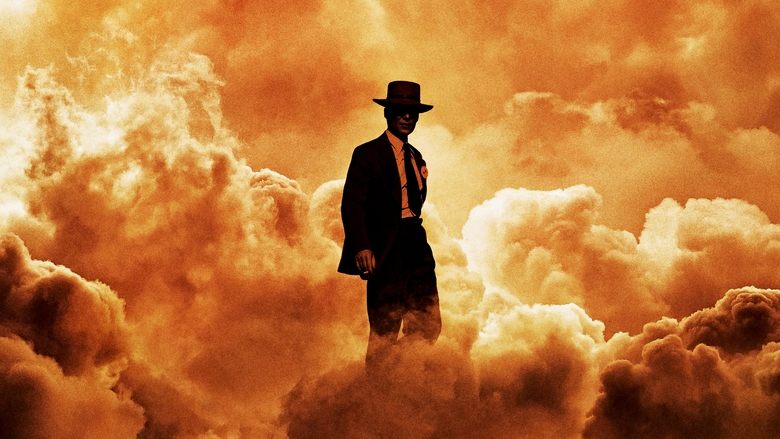
With Dunkirk and Oppenheimer, Nolan turned his attention to history, finding that the tension he once manufactured through sci-fi mechanics already existed in the crucible of real-world events. What worked: The decision to strip away traditional melodrama in favor of pure, rhythmic tension proved that historical films can be as propulsive as any thriller. What did not work: Detractors have noted a clinical coldness in his character work, suggesting that his focus on systems and history sometimes leaves little room for intimate human warmth.
What Fans Are Saying
The discourse surrounding Nolan is as intense as his films. The defenders: Fans argue that he is the last true champion of original cinema in an era of franchise fatigue, noting that he brings millions to theaters for challenging, R-rated, or high-concept dramas. The critics: Skeptics often point to the density of his scripts, accusing him of prioritizing cerebral puzzles over genuine emotional depth or complex female characters. The middle: Most viewers exist in the middle, acknowledging that while his films may occasionally be weighed down by their own complexity, they remain undeniably singular experiences that demand to be seen on the biggest screen possible.
Oppenheimer scene 3
Conclusion: The Last Modern Auteur
Christopher Nolan’s career is a testament to the idea that audiences are far more intelligent than the industry often gives them credit for. By consistently betting on big, strange, and complicated ideas, he has forced his peers to raise their own bars. Whether he is dissecting the nature of dreams or the splitting of the atom, he approaches every project with a relentless commitment to craft. His legacy is not just the movies he made, but the standard he set for what a blockbuster can be.