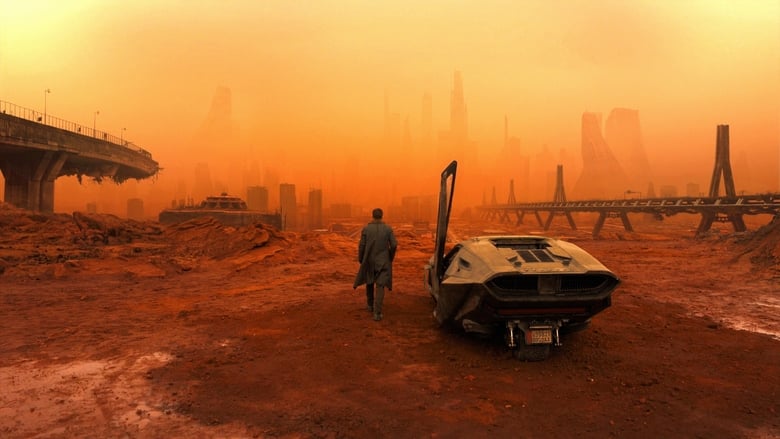
The dystopian vision of Ridley Scott’s seminal franchise is set to expand further as Prime Video prepares to transport audiences back into a world of synthetic life and existential dread. Set fifty years after the events of Denis Villeneuve’s 2049, the upcoming limited series aims to capture the same haunting atmosphere that defined the original cyberpunk masterworks.
This article covers the confirmed production details, the star-studded cast lineup, and what the series implies for the ongoing legacy of the Blade Runner universe on the small screen.
The Journey Back to the Dystopian Future
Development on Blade Runner 2099 has been long and meticulous, signaling that Amazon is treating this property with the gravity it deserves. Silka Luisa, known for her work on Shining Girls, serves as the showrunner, with Ridley Scott returning as an executive producer to ensure the aesthetic and philosophical DNA of the franchise remains intact.
The creative team has maintained a tight lid on specific plot details, but the title confirms a significant time jump. By moving the timeline forward to the year 2099, the series opens up new narrative possibilities, moving away from the immediate aftermath of K and Deckard’s journey and into a world where replicant technology has likely evolved beyond current comprehension.
The original film and its sequel asked what it means to be human in a world where that boundary is increasingly blurred. Blade Runner 2099 must bridge that philosophical gap with modern television storytelling.
What We Know About the Cast and Production
The casting process for this production has generated substantial excitement, led by the announcement that Academy Award winner Michelle Yeoh will star in the series. She is joined by Hunter Schafer, whose involvement brings a high level of anticipation given her ability to inhabit complex, emotionally resonant roles in high-concept sci-fi.
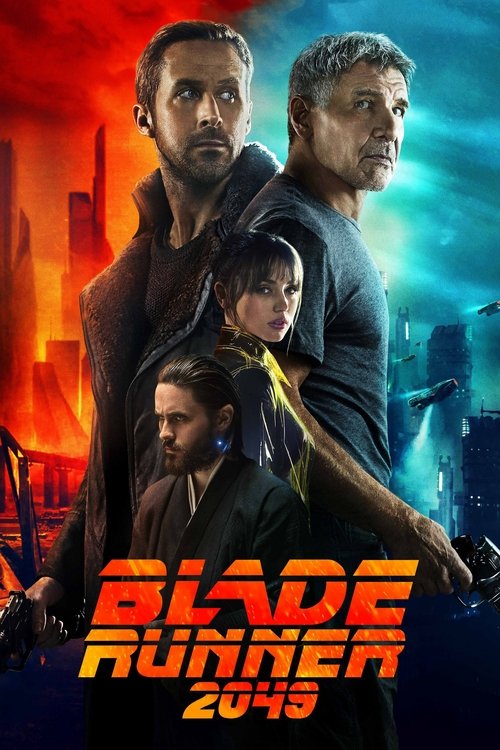
Blade Runner 2049 scene 1
The production scope is clearly substantial, with Prime Video investing heavily to match the visual language established by Roger Deakins in 2049. Filming in locations like Prague has allowed the team to construct vast, practical sets that reflect the decaying grandeur and oppressive density of a future Los Angeles.
The Cyberpunk Setting: Why 2099 Matters
The narrative hook of moving to 2099 allows the series to explore a world that has fully adjusted to the fallout of the 'Blackout' and the subsequent reintegration of replicants. If the previous films focused on the struggle for identity and recognition, this series appears poised to look at the societal integration of artificial beings.
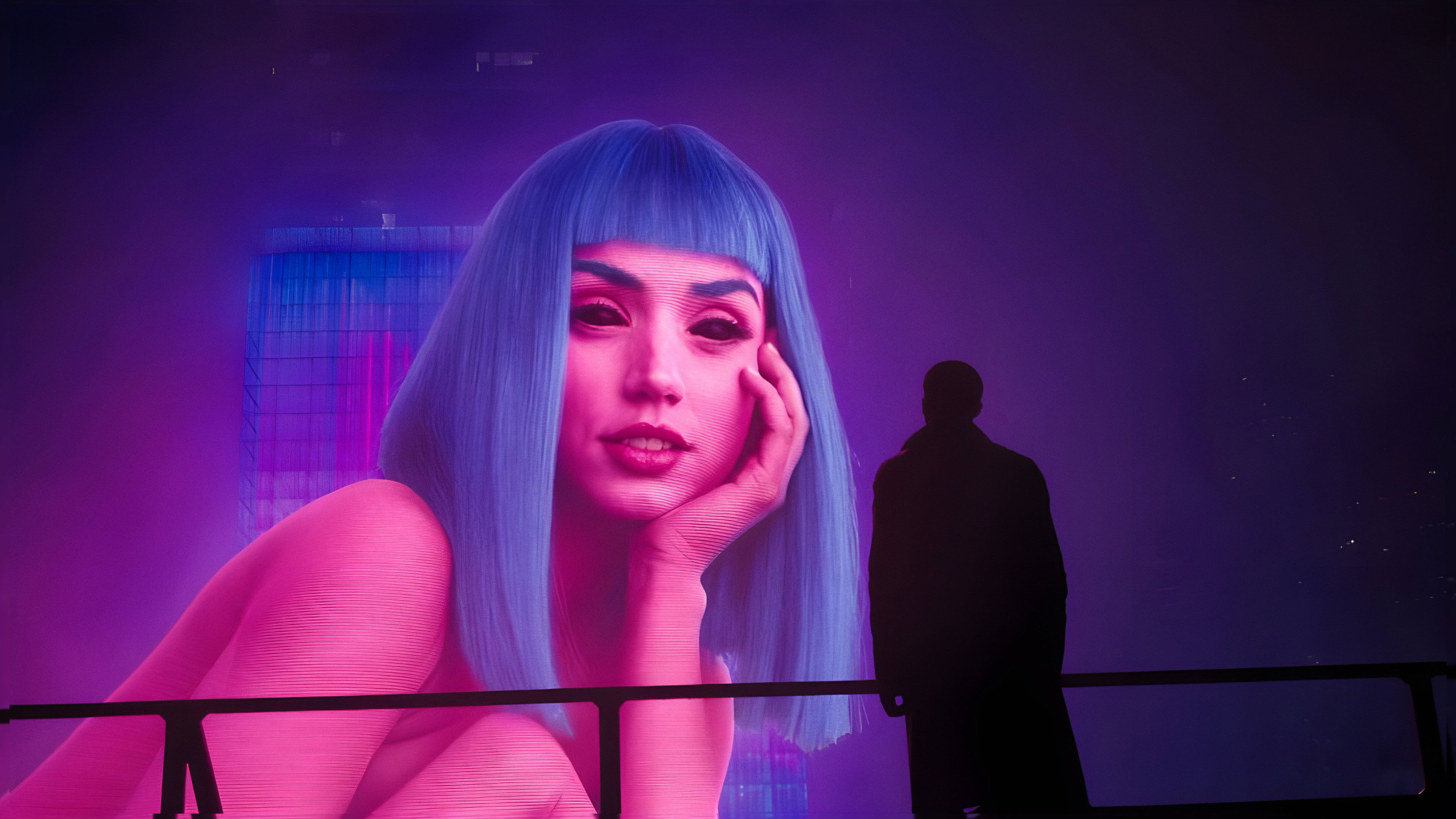
The visual aesthetic will continue to lean into the 'tech-noir' roots of the franchise. While the neon-soaked streets and holographic advertisements remain, fans can expect an evolution in how humanity interacts with its own creations. The world-building will likely focus on the political and corporate fallout of Wallace Corporation’s dominance over the decades.
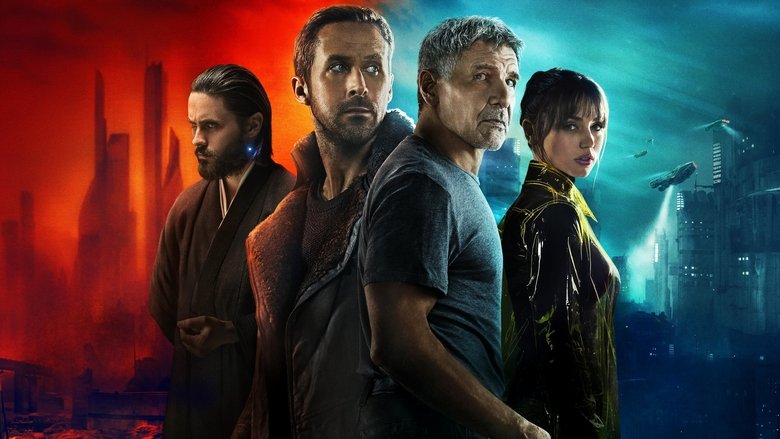
Blade Runner 2049 scene 2
Cyberpunk is at its best when it reflects our current anxieties through a fractured mirror. A leap forward to 2099 provides the perfect canvas to address modern fears regarding AI, surveillance, and corporate overreach.
What Fans Are Saying
The defenders: Many long-time fans are thrilled that the franchise is moving to television, arguing that the episodic format is ideal for the slow-burn, atmospheric mystery that the series is known for. The involvement of Ridley Scott is cited as the primary reason for optimism, as he remains the ultimate guardian of this specific vision.
The critics: Conversely, some skeptics wonder if a television series can maintain the visual fidelity of a big-budget film. The history of sci-fi spin-offs is littered with failed attempts to capture the 'magic' of cult classics, and some worry that the expansion might dilute the impact of the original stories.
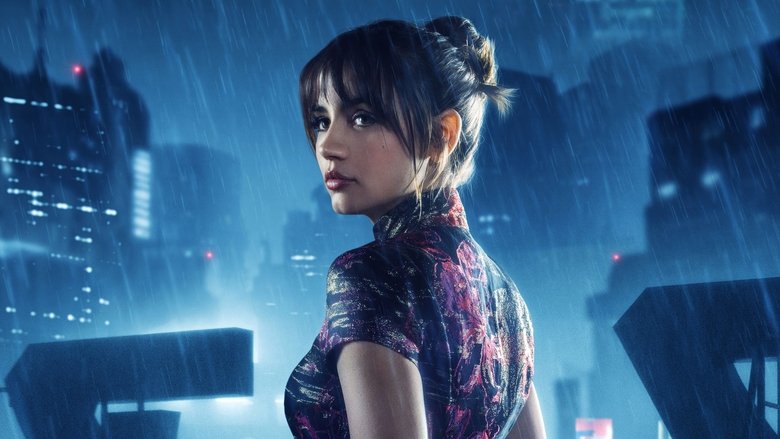
Blade Runner 2049 scene 3
The middle: Most viewers currently sit in a state of cautious optimism. The consensus is that as long as the series focuses on the internal moral struggle of its characters rather than just the visual spectacle, it has the potential to become a defining piece of modern science fiction.
The Verdict and Future Prospects
What to expect: Do not look for a direct continuation of Deckard’s story. Instead, expect a character-driven thriller that expands the lore of the Blade Runner universe while keeping the core thematic questions of the 1982 original at the forefront. The series is designed to be a standalone limited run, which suggests a focused, beginning-to-end narrative arc.
The final word: Whether Blade Runner 2099 can live up to the high bar set by its cinematic predecessors remains to be seen. However, with a powerhouse cast and a commitment to maintaining the franchise’s dark, philosophical tone, it is undoubtedly the most anticipated sci-fi project currently in development. The future of the replicant struggle is almost here, and it promises to be as haunting as ever.