Black Swan Ending Explained: Did Nina Die?
⚠️ Spoiler Warning
This article contains major spoilers for Black Swan. Read only if you have already seen it.
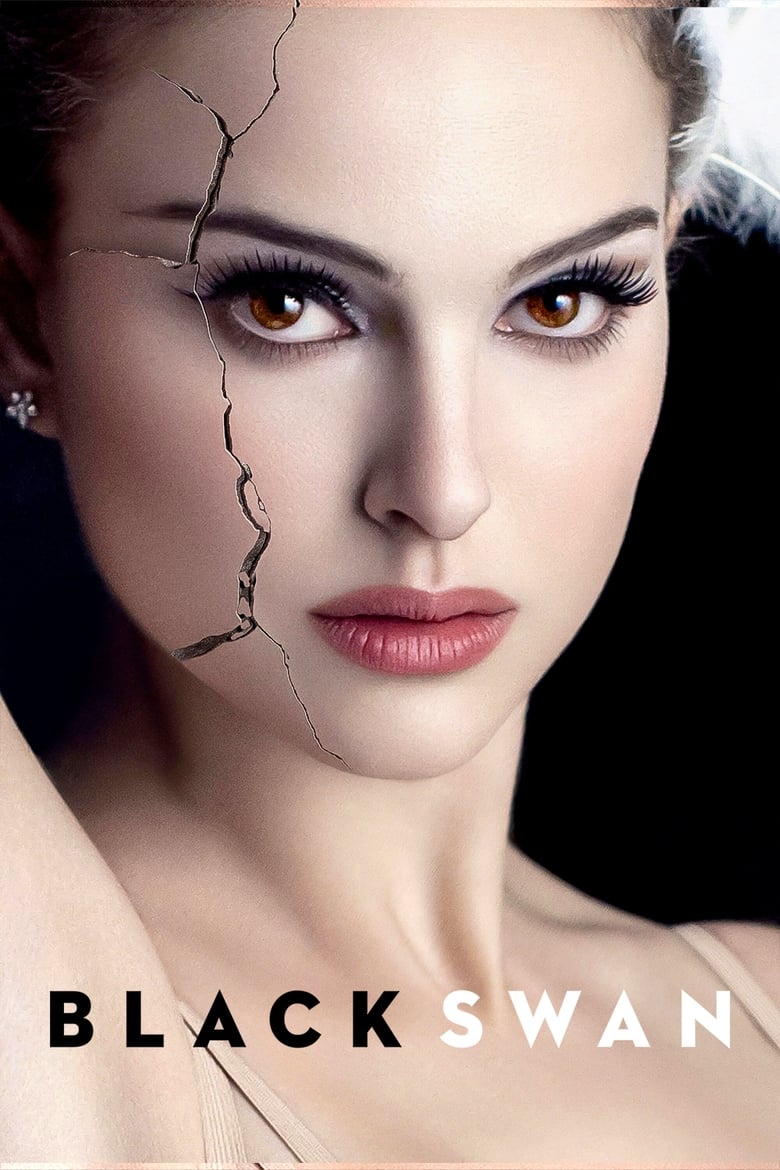
Darren Aronofsky's Black Swan is told from inside the head of a ballerina losing her mind. By the final performance, Nina Sayers has transformed fully into the Black Swan, and the landing pad beneath her is revealed broken and soaked in blood. Whether she lives or dies is the question the film refuses to answer cleanly.
Here is what the ending shows, what Aronofsky has confirmed, and why the ambiguity is the point.
Quick Answer
Nina (Natalie Portman) achieves the perfection she has pursued her entire life by dissolving into the Black Swan role. During her transformation she shatters a mirror and is impaled by a shard of glass. She hides the wound, finishes the dance, and leaps into the finale. The film reveals the white mattress she lands on is broken and bloodied. She whispers, "I felt it. Perfect." Aronofsky strongly implies she dies, structured on the Swan Lake legend in which the Swan Queen dies at the end.
TL;DR: Nina's death is the cost of her perfection. The film is her psychosis experienced from the inside, and the ending is the moment the hallucination and the reality collapse into one.
The Ending, Scene by Scene
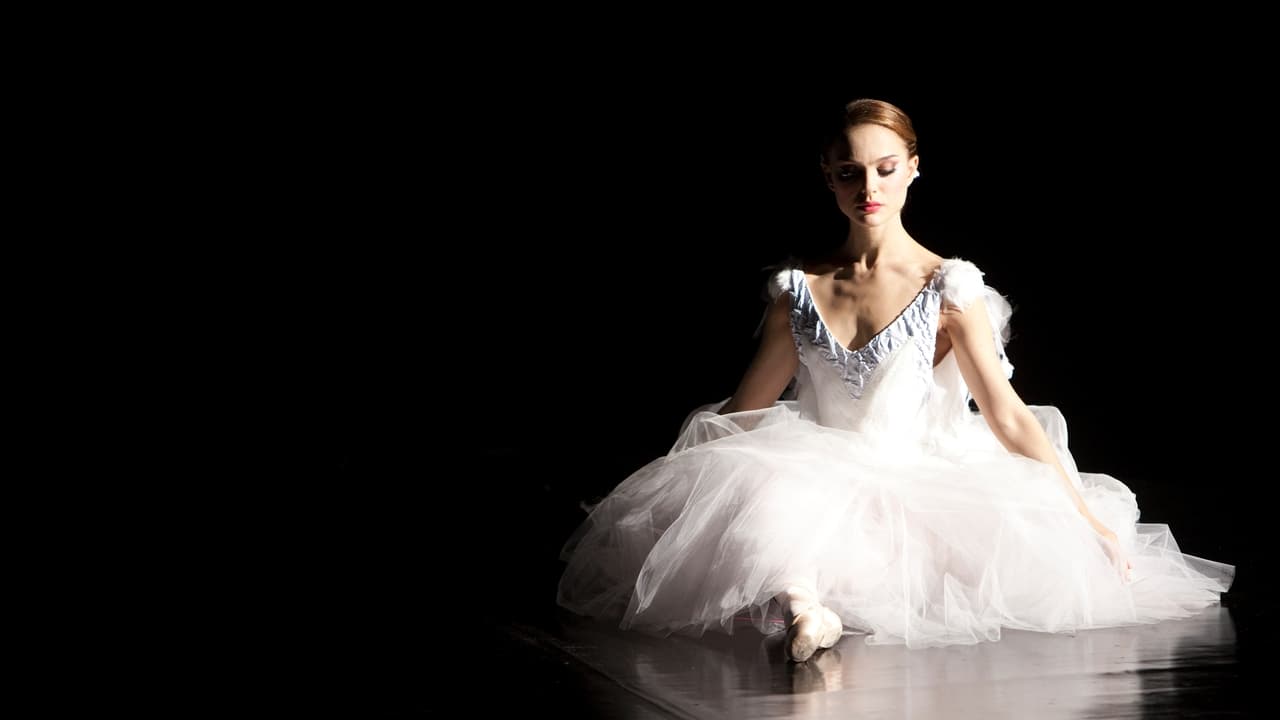
During the opening White Swan, Nina is technically flawless but emotionally locked. The director Thomas pushes her to lose herself. As the Black Swan approaches, her hallucinations intensify: she sprouts feathers, her legs bend backward, she sees Lily everywhere, her mother's paintings crawl off the walls. In the dressing room before the Black Swan, she shatters a mirror in a struggle she may have imagined with Lily, and a shard pierces her abdomen. She does not remove it. She walks out and dances the Black Swan with total abandon, transforming in the audience's eyes. She leaps. The camera follows her down. The mattress breaks. Thomas kneels over her. She says, "I felt it. Perfect. I was perfect."
"Aronofsky built the entire film on Swan Lake, where the White Swan and Black Swan are one ballerina and the Swan Queen dies in the end. Nina's final line is not a delusion. It is the thesis."
What the Director Has Confirmed
Confirmed: Aronofsky has stated the film is structured directly on Swan Lake and that the White and Black Swan are two halves of one performer. He has also cited Powell and Pressburger's The Red Shoes, in which a ballerina is torn between love and art and dies, as a foundational influence.
Confirmed: He has said the film is told from Nina's subjective perspective, so the hallucinations are what she experiences, not what is physically real. The audience is meant to share her uncertainty about what is happening versus what she is projecting.
Hallucination or Reality
Confirmed: Lily (Mila Kunis) is a real person. But many scenes between Nina and Lily, including the sexual encounter and the direct rivalry, are hallucinations. Lily is the uninhibited, sensual, free version of Nina that Nina cannot allow herself to be. The dangerous Lily on screen is mostly Nina's projection. The real Lily is, by all accounts, simply a competent dancer who got the role Nina wanted, and possibly did not even want it that badly.
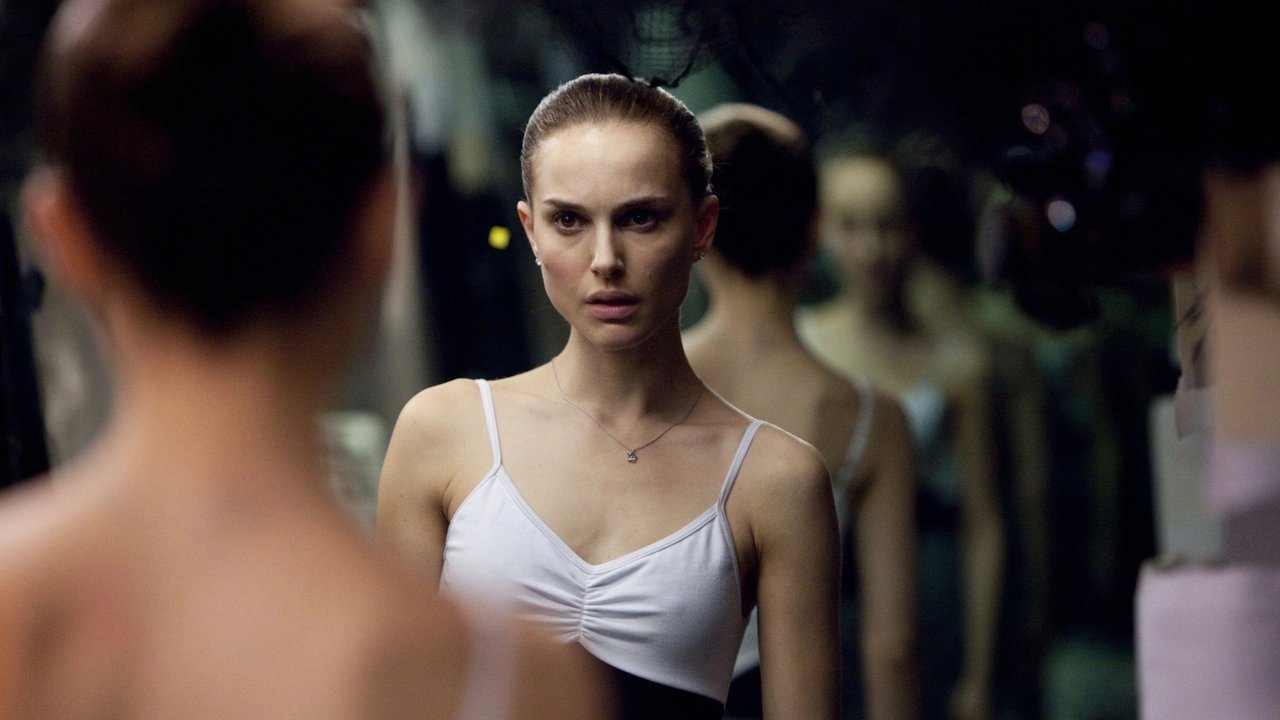
Interpretation: The mirror shard is the film's hinge. Nina may have stabbed Lily in the dressing room and then imagined herself stabbed, or she may have stabbed herself and imagined Lily. Either way, the wound is real, the performance is real, and the cost is real. The ambiguity is whether Nina literally dies or whether the "death" is an ego-death, the final surrender of the self to the role.
Frequently Asked Questions
Did Nina die at the end of Black Swan?
The film strongly implies she does. She is impaled by a shard of the mirror she shattered during her transformation, hides the wound, finishes the dance, and leaps. The landing pad is revealed broken and bloodied. Aronofsky leaves a sliver of ambiguity, but the Swan Lake parallel points to death.
Was Lily real or imagined?
Lily is a real person, but many of the scenes involving her, including the seduction and the rivalry, are hallucinations she experiences. Lily functions as the uninhibited self Nina cannot allow herself to be. The real Lily is ordinary; the dangerous Lily is her projection.
What do the hallucinations mean?
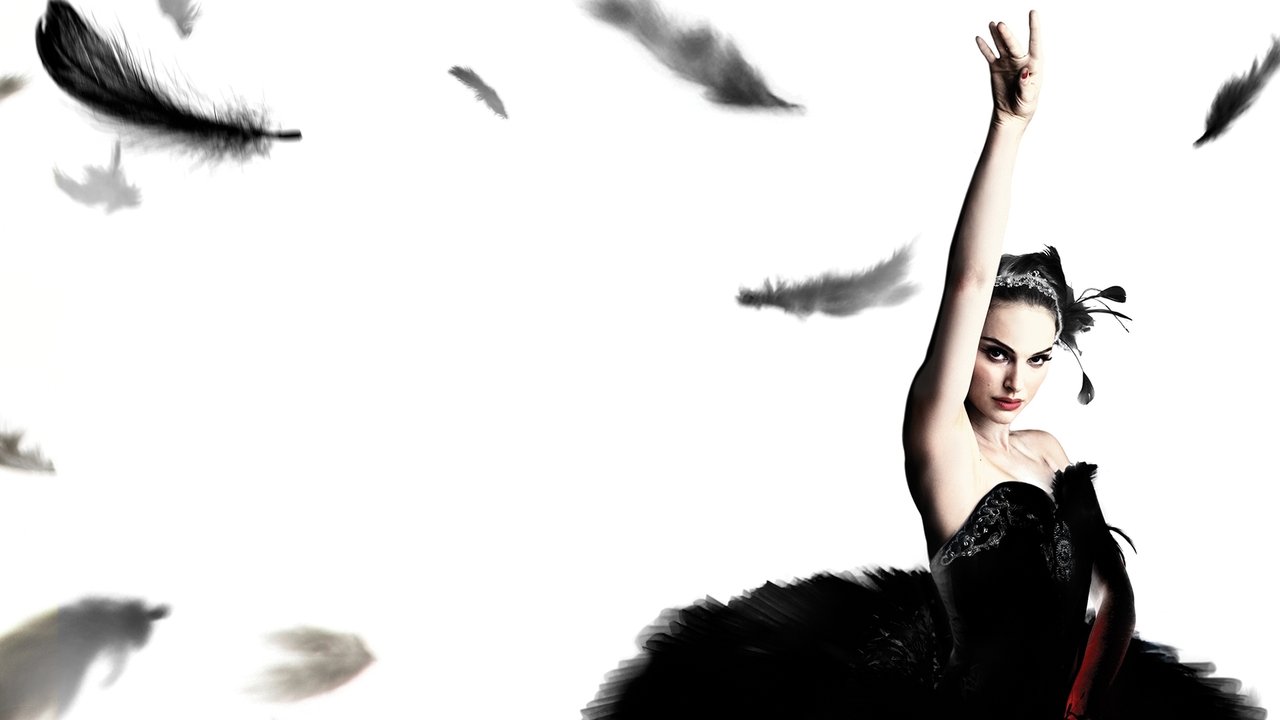
Feathers, self-harm, crawling skin, and the moving paintings are the visual language of her psychosis. Aronofsky confirmed the film is told from inside her deteriorating perception, so the audience sees what she sees, not what is objectively there.
Is Black Swan based on Swan Lake?
Yes. Aronofsky structured the film on Swan Lake, where the White Swan and the Black Swan are danced by one ballerina and the Swan Queen dies at the end. He has also cited The Red Shoes as a direct influence.
Final Verdict
Black Swan does not hide its ending so much as let you experience Nina's inability to tell it apart from her life. The mirror shard, the broken mattress, the blood, and the line "I was perfect" all point to death, structured on the Swan Lake story Aronofsky adapted. The film's refusal to show the death plainly is not evasion. It is the final act of identification with a woman who could no longer separate the dance from the dancer.
Nina became perfect. The price of perfect was everything else.
Related Ending Explained Guides
Written by StreamRoulette Editorial
You May Also Like


Not Sure What to Watch Next?
StreamRoulette picks your next film in seconds — based on mood, genre, or platform.
Try StreamRoulette