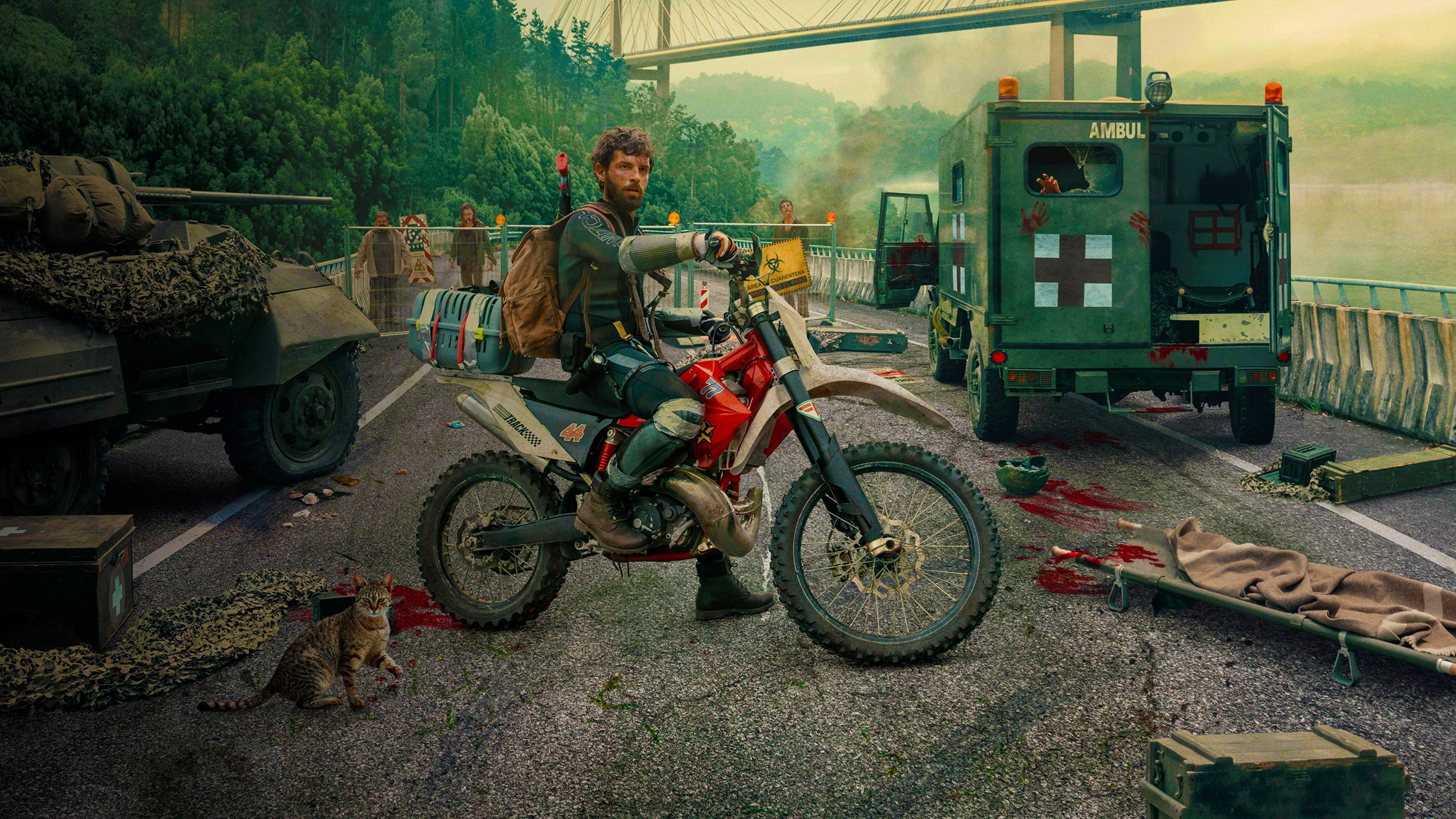
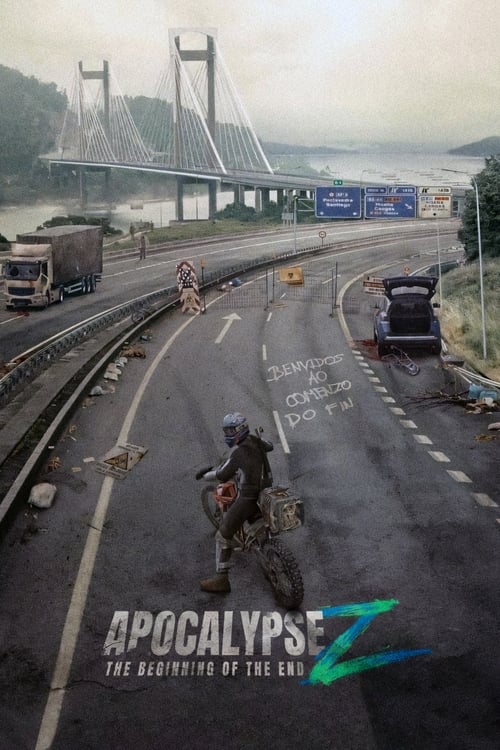
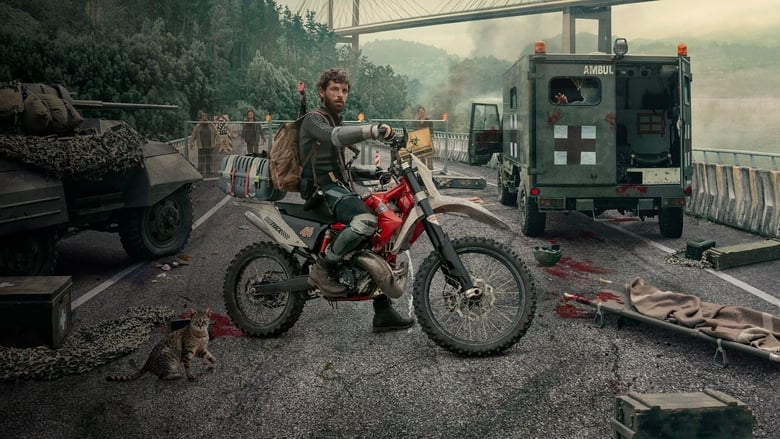
When a mysterious rabies-like virus turns the population of Spain into aggressive, flesh-eating predators, one man must navigate a decaying society to find his family. Apocalypse Z: The Beginning of the End brings a grounded, visceral approach to the undead subgenre that feels both claustrophobic and terrifyingly plausible.
The film adapts the first entry in Manel Loureiro's popular book series, offering intense survival horror, emotional character stakes, and a refreshing take on the classic zombie outbreak that has captured the attention of international audiences.
The Premise of a Collapsing World
The story begins with a global panic that quickly descends into total societal collapse. Manel, a man still grieving the loss of his wife, finds himself completely isolated when the government-mandated quarantine traps him within his home. Unlike many high-octane action films, the narrative focuses heavily on the psychological toll of isolation before the true chaos of the infection even arrives at his doorstep.
What worked: The film excels at building atmosphere through its quiet, eerie depiction of a city under lockdown. It trades common action tropes for a more deliberate, slow-burn tension that emphasizes how quickly the veneer of modern life can be stripped away by fear and biological catastrophe. The inclusion of a feline companion also adds a layer of emotional vulnerability that grounds the protagonist's journey in something far more relatable than mere survival.
The film doesn't just rely on the threat of the undead; it effectively weaponizes the silence of a world that has stopped working.
A Different Kind of Undead
The zombie threat in this iteration departs from the slow, shambling corpses popularized by earlier cinema. These infected are fast, relentless, and possess a primal ferocity driven by a rabies-like virus. This shift creates a sense of constant, exhausting panic for the protagonist, as there is rarely a moment of respite once he leaves the relative safety of his reinforced shelter.
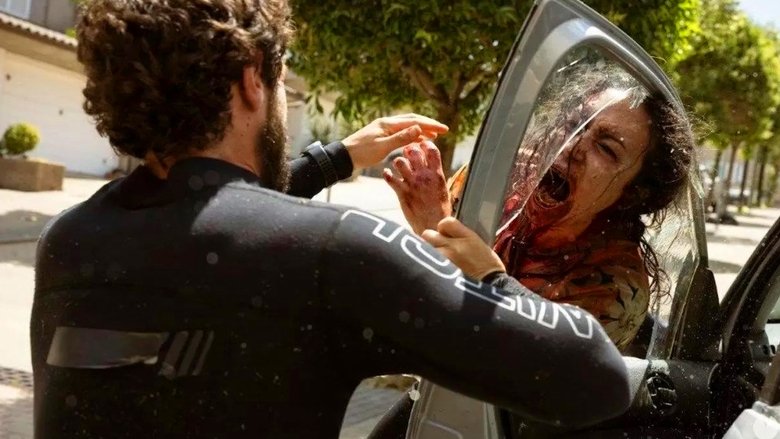
Apocalypse Z: The Beginning of the End scene 1
The central conflict is not just about avoiding the horde but about traveling across a hostile landscape to reach a rumored safe haven. The journey from Galicia to the Canary Islands becomes the backbone of the film, forcing Manel to evolve from a grieving widower into a pragmatic survivor who must weigh his own morality against the brutal requirements of the new world.
Survival is not just about what you kill, but what you are willing to let go of to keep moving forward.
What Fans Are Saying
The defenders: Many fans have praised the film for its high production value and its faithfulness to the source material's tone. They appreciate that the movie doesn't attempt to reinvent the wheel, but rather refines the zombie thriller into a tight, well-paced experience that benefits from a strong central performance by Francisco Ortiz.
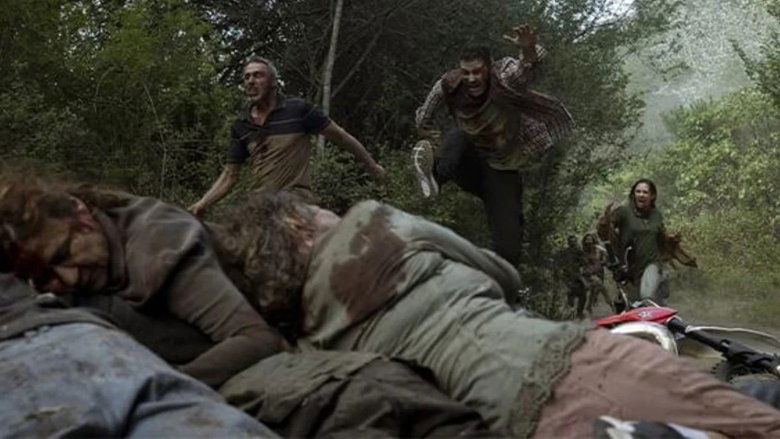
Apocalypse Z: The Beginning of the End scene 2
The critics: Some viewers have argued that the pacing in the middle act drags, particularly during the scenes of navigation and scavenging that mirror the repetitive nature of survival. Others noted that the "zombie" tropes, despite the fast-paced nature of the monsters, can still feel predictable to those who have seen every entry in the genre over the last two decades.
The middle: The general consensus sits comfortably in the 'well-executed' category. It is widely viewed as a standout entry in the international horror scene, offering enough unique cultural flavor and emotional weight to separate it from the saturated US-centric market.
The Verdict and Future Prospects
What did not work: While the film's budget is impressive, there are moments where the scale of the societal collapse feels slightly limited, likely due to the intimate focus of the source material. Some viewers might find the abrupt transitions between survivalist phases a bit jarring, leaving the audience wanting more context on the global scope of the pandemic.
Apocalypse Z: The Beginning of the End scene 3
The verdict: If you are a fan of high-stakes survival horror, this is a must-watch that manages to feel personal even when the world is ending. It successfully bridges the gap between character-driven drama and visceral gore, making it one of the most compelling international genre imports in recent years. Whether or not it leads to sequels will likely depend on the enduring appetite for this specific adaptation of the trilogy.
Ultimately, this film serves as a potent reminder that the most terrifying aspect of an apocalypse isn't the monsters lurking in the shadows, but the realization of how fragile our connection to one another truly is. It is a grim, beautiful, and occasionally harrowing ride that demands your full attention.