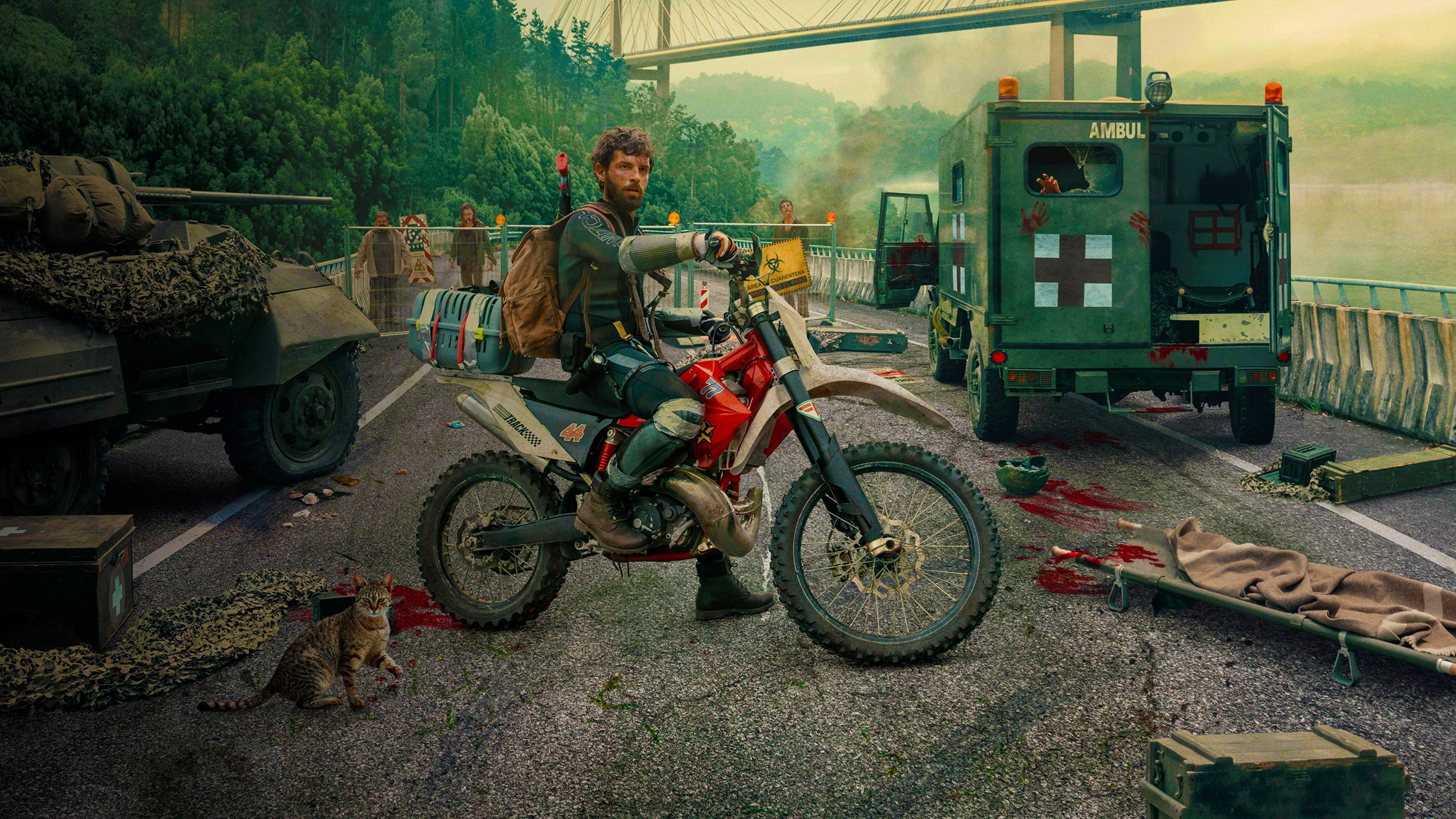
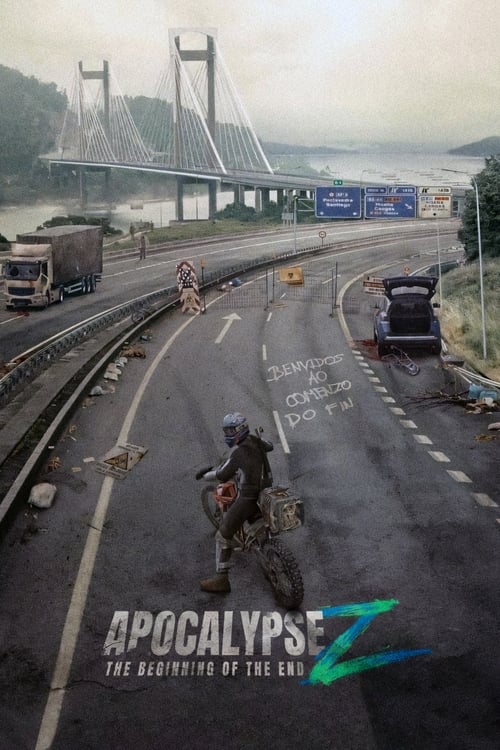
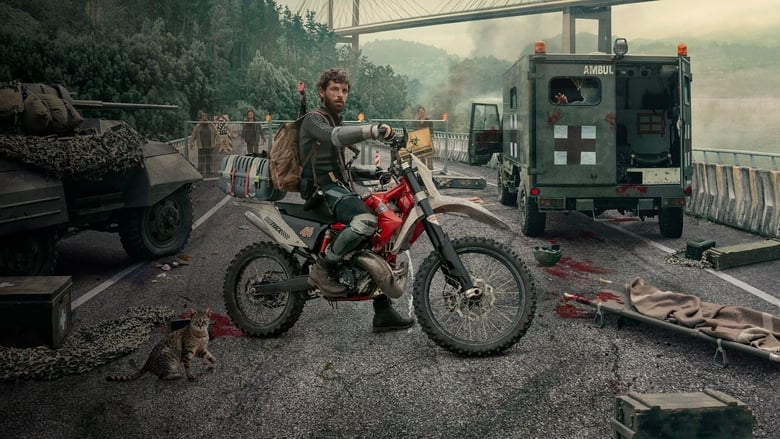
When a mysterious, aggressive virus turns humanity into ravenous, undead monsters, one man finds himself isolated and forced to navigate a collapsing world with only his cat and his wits for company. This gritty survival thriller from Spain strips away the spectacle of blockbuster zombie epics to focus on the raw, claustrophobic reality of a pandemic spiraling out of control.
In this guide, we dive into the source material, production history, and why it is captivating audiences worldwide. We explore how the film translates Manel Loureiro’s celebrated novel to the screen while delivering a relentless atmosphere of dread.
The Premise: Survival in Isolation
Apocalypse Z: The Beginning of the End is a masterclass in tension, ditching the typical ensemble cast of zombie movies to focus on a deeply personal journey of grief and survival. Manel, our protagonist, is a lawyer struggling to cope with the death of his wife when a rabies-like plague suddenly erupts, throwing the world into chaos overnight.
Unlike many genre entries that focus on military responses or global conspiracies, this film keeps its scope tight. What worked: The decision to emphasize the protagonist's internal struggle alongside the immediate, practical horrors of a sudden societal collapse. What did not work: Some viewers may find the slow-burn pacing in the first act a departure from high-octane zombie action films like World War Z. The verdict: It is a standout addition to the genre that prioritizes psychological weight over mindless carnage.
The true horror in Apocalypse Z is not just the virus, but the agonizing realization that the world you knew is never coming back.
Adaptation from Page to Screen
The film is based on the cult-hit novel by Manel Loureiro, which originally began as a blog series before becoming a publishing phenomenon in Spain. Fans of the book have long awaited a faithful adaptation, and director Carles Torrens manages to capture the bleak, atmospheric tone that made the original prose so compelling to readers across the globe.
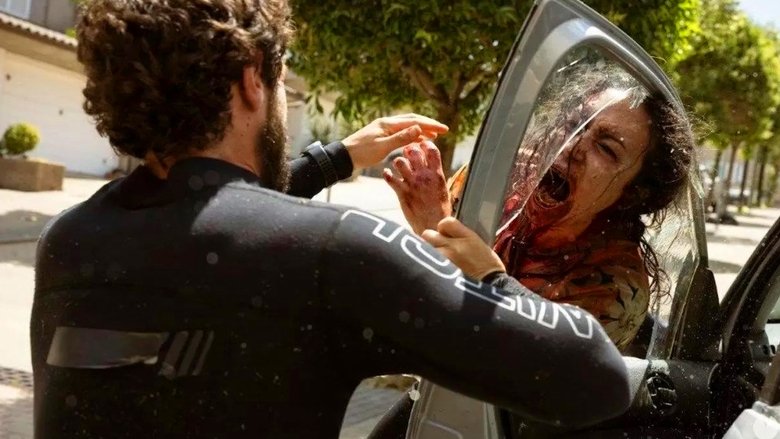
Apocalypse Z: The Beginning of the End scene 1
By grounding the story in a realistic, contemporary setting, the film forces the audience to consider the fragility of modern infrastructure. The production team focused on practical effects and a muted color palette to heighten the sense of decay and desolation, ensuring that the zombies feel like a natural consequence of a biological catastrophe rather than a supernatural curse.
What Fans Are Saying
The reception for the film has been polarized but passionate, reflecting the divide between those who prefer action-packed thrills and those who enjoy character-driven horror. The defenders: Fans of the source material have praised the film's faithfulness and the haunting performance of the lead, noting that it respects the original's commitment to grounded realism.
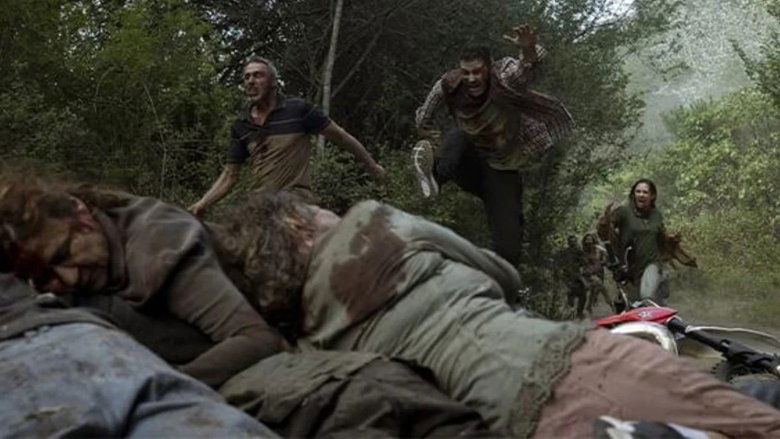
Apocalypse Z: The Beginning of the End scene 2
The critics: Some reviewers argue that the film takes too long to ramp up the intensity, suggesting that the middle portion feels somewhat repetitive. The middle: Most viewers agree that while the film may not reinvent the zombie trope, it executes the survivalist sub-genre with a level of craft and care that is rare in modern streaming content.
Ultimately, the film succeeds because it treats the zombies as a force of nature—an unstoppable, terrifying reality that doesn't care about the hero's past or his future.
Themes of Grief and Resilience
Beneath the surface of decaying streets and desperate combat, Apocalypse Z is ultimately a story about finding a reason to continue living when everything else has been stripped away. The bond between Manel and his cat, Lúculo, serves as the emotional anchor of the narrative, highlighting the small, fragile connections that keep us human in the face of absolute annihilation.
Core thematic elements include the loss of social order, the erosion of empathy, and the crushing weight of isolation. By placing a grieving widower at the center of a literal plague of death, the filmmakers provide a poignant metaphor for the internal experience of mourning, making the horror feel intimately relatable and deeply personal.
Apocalypse Z: The Beginning of the End scene 3
Conclusion: Why It Matters
Apocalypse Z: The Beginning of the End proves that there is still life in the zombie genre if you are willing to look at it through a human lens. It avoids the tired pitfalls of typical undead cinema to deliver a bleak, beautiful look at what it takes to survive when civilization ends.
We highly recommend this film for those who appreciate high-stakes survival dramas that prioritize atmosphere over mindless spectacle. Final thought: If you are looking for a story that combines raw emotion with genuine, grounded terror, this is a title you cannot afford to miss.