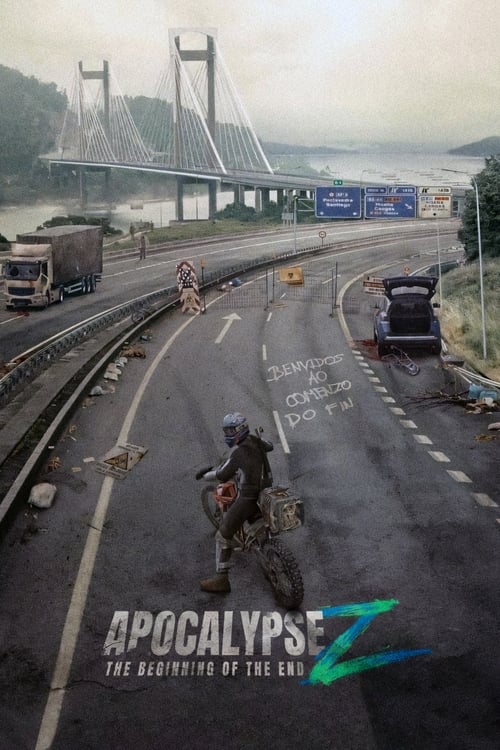
This article contains major spoilers for Apocalypse Z: The Beginning of the End. Read only if you have already seen it.
When a mysterious rabies-like virus turns the population of Spain into ravenous, bloodthirsty creatures, Manel finds himself trapped in a nightmare that transforms his mundane existence into a fight for survival. This gritty adaptation of Manel Loureiro’s novel refuses to hold your hand as it navigates a collapsing society where the biggest threat is often the person standing next to you.
In this breakdown, we analyze the final escape from the hospital, the fate of Luso the cat, and what the chilling final sequence means for the future of the franchise. We examine how the film pivots from a survival drama to a desperate mission of survival against both the undead and human opportunists.
The Anatomy of the Outbreak
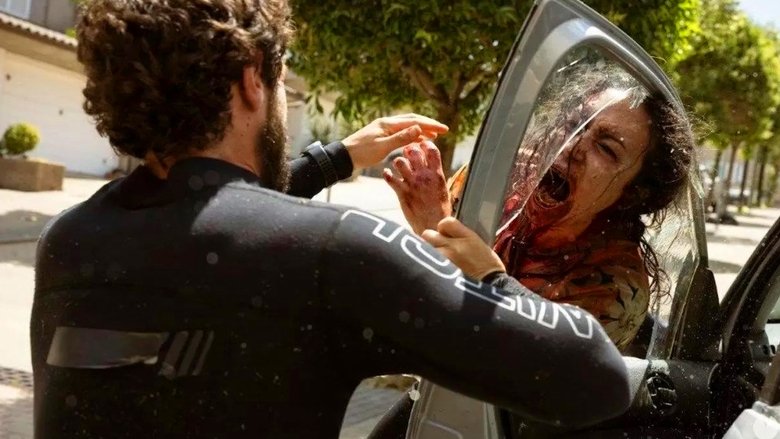
The film starts with the rapid spread of the 'TA virus,' a global pandemic that triggers violent aggression, essentially turning humanity into a hive-minded swarm of infected predators. Unlike traditional slow-moving zombies, these antagonists are fast, relentless, and driven by an insatiable need to tear down anything living. Manel, our protagonist, is initially a reluctant hero, driven not by a desire to save the world, but by the singular, grounded need to reach his sister in the Canary Islands.
The brilliance of the film lies in its isolation. It does not try to explain the macro-politics of the virus, but instead forces the audience to live in the claustrophobic anxiety of a man who just wants to go home.
As he navigates the ruins of Galicia, the narrative highlights the breakdown of societal order. Every encounter with survivors is a calculated risk, emphasizing that in this new world, the infected are merely the background noise to the true horror: the total erosion of human empathy in the face of inevitable extinction.
The Hospital Siege and the Turn
The middle act of the film hinges on a desperate infiltration of a military-guarded hospital. This is where the tension reaches its breaking point. Manel’s objective is resources and information, but the location becomes a death trap when the perimeter fails. The sequence serves as a grim reminder that government intervention, even when well-intentioned, is often outmatched by the sheer scale of the infection.
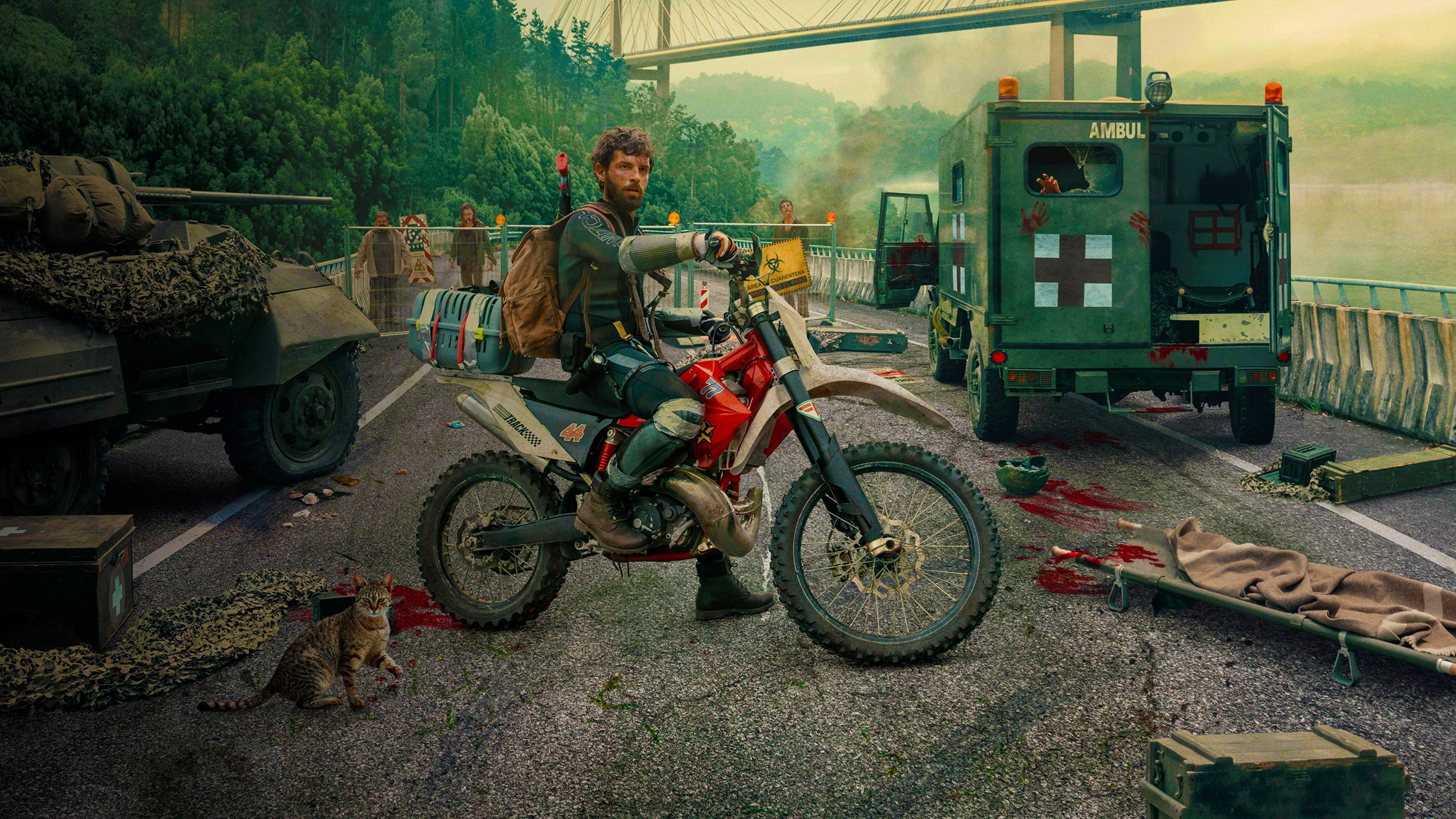
Apocalypse Z: The Beginning of the End scene 1
What worked: The practical effects and the sheer kinetic energy of the infected swarms. The film chooses grounded, visceral horror over stylized CGI, making every bite and scramble feel genuinely dangerous.
What did not work: The pacing in the second act occasionally feels bogged down by repetitive survival tropes that seasoned horror fans will recognize from a dozen other genre entries.
The Fate of Luso the Cat
Perhaps the most anxiety-inducing element for pet lovers is the fate of Luso, Manel’s cat. In a genre where animals are often discarded for cheap emotional stakes, the film maintains a persistent focus on their bond. Luso represents the last vestige of Manel’s humanity and his tether to the world before the outbreak occurred.
In an apocalypse, a pet is not just a companion; it is a anchor. It reminds you that you are still a person, and not just a body running from other bodies.
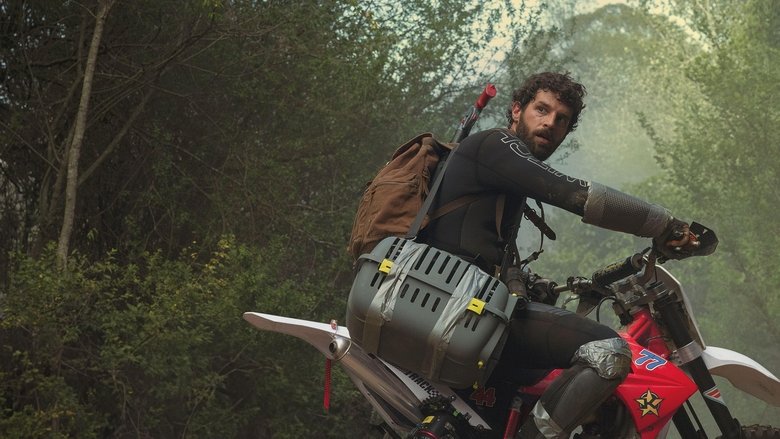
Apocalypse Z: The Beginning of the End scene 2
The film ultimately rewards the audience’s attachment to the cat, ensuring that Luso survives the chaotic finale. This is a deliberate narrative choice by the filmmakers to preserve a sliver of hope in an otherwise bleak environment, suggesting that as long as the cat survives, Manel’s soul remains intact.
Understanding the Ending
In the final act, Manel succeeds in his quest to reach the safety of the Canary Islands, though it is far from a 'happily ever after.' The film concludes with the stark reality that while he has escaped the immediate swarm, the infection is global, and his refuge is merely a temporary fortress. The ending highlights that there is no 'curing' the world; there is only the ongoing, exhausting process of surviving another day.
The verdict: Apocalypse Z: The Beginning of the End is a tight, focused survival thriller that succeeds because it keeps its scope intimate. While it doesn't reinvent the zombie sub-genre, its commitment to character-driven stakes and high-intensity set pieces makes it a standout entry for fans of the genre.
What Fans Are Saying
The defenders: Fans of the source material have praised the film for its faithfulness to the tone of the novel, particularly the internal monologue and the gritty, rain-soaked aesthetic of the Galician setting.
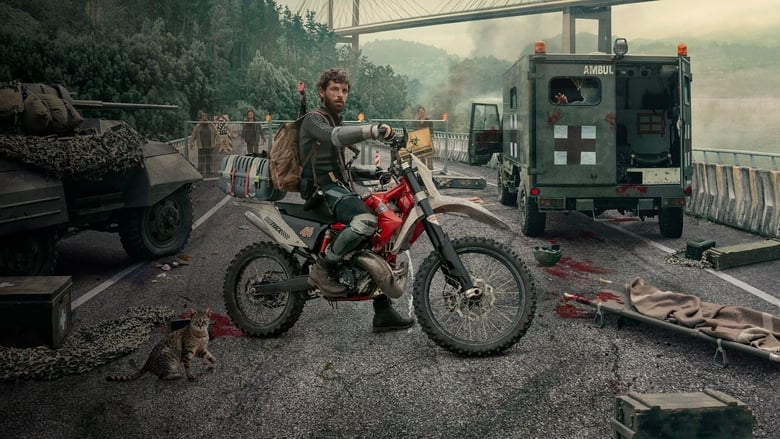
Apocalypse Z: The Beginning of the End scene 3
The critics: Some viewers have pointed out that the ending feels abrupt, leaving many questions about the origins of the virus and the state of the global government entirely unanswered.
The middle: Most agree that it is a solid, well-produced genre piece that is elevated by its performances, particularly the believable weariness displayed by the lead actor throughout his journey.
Conclusion
Apocalypse Z: The Beginning of the End is an exercise in tension that asks how much of ourselves we are willing to sacrifice to survive when the world ends. By focusing on the small, human moments of grief and determination, the film avoids the pitfalls of generic disaster movies.
Ultimately, the story is a testament to the endurance of the human spirit—or at least, the stubbornness required to keep walking when there is nowhere left to go. The true horror isn't the virus; it's the realization that tomorrow will look exactly like today.