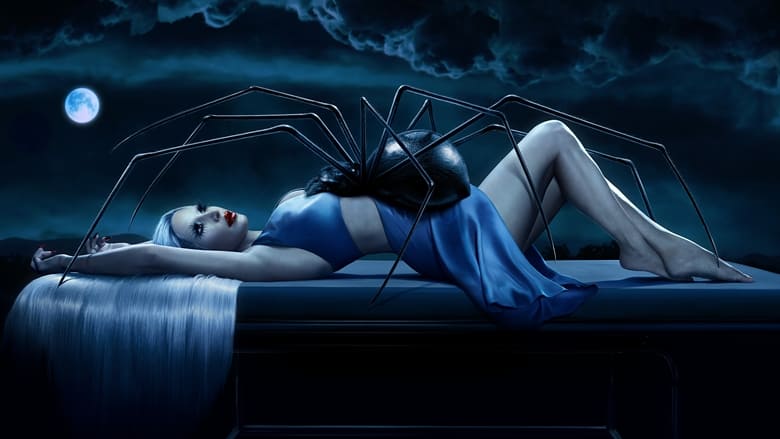
Since its debut in 2011, Ryan Murphy and Brad Falchuk’s American Horror Story has transformed from a quirky cable experiment into a cultural juggernaut that redefined the anthology format for the streaming age.
By balancing campy aesthetics, high-profile guest stars, and recurring repertory talent, the franchise has maintained a vice-grip on the horror genre for over a decade.
The Anatomy of an Anthology
What worked: The decision to refresh the setting, tone, and cast each season allowed American Horror Story to avoid the narrative fatigue that kills many long-running dramas. By utilizing an repertory company—actors like Sarah Paulson, Evan Peters, and Jessica Lange—the show built a shorthand with its audience, making each season feel like a familiar reunion despite the drastic shift in subject matter.
What did not work: The show has occasionally struggled with its own ambition, leading to bloated mid-season arcs where the resolution of the mystery feels rushed or disconnected from the premise established in the pilot.
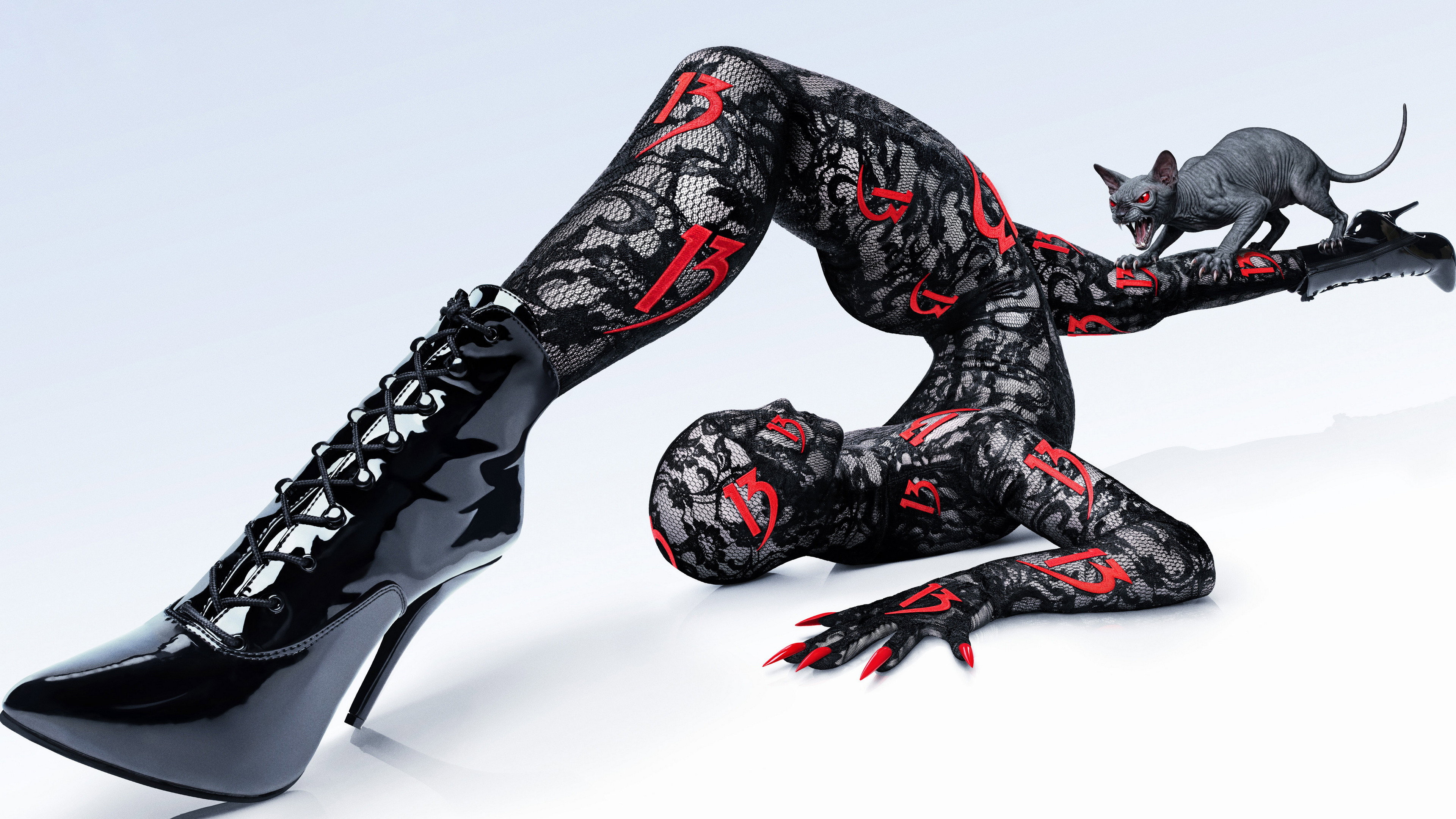
American Horror Story scene 1
The show is a chaotic, beautiful mess that knows exactly how to get under your skin by leaning into the most uncomfortable tropes of the genre.
What Fans Are Saying
The defenders: Devoted fans argue that the show's willingness to be "extra"—over-the-top, violent, and melodramatic—is exactly what makes it essential viewing, viewing it as a love letter to classic slasher films and gothic literature.
The critics: Skeptics often point to the writing as a weak point, noting that the show frequently prioritizes aesthetic shock value over cohesive character development, leading to endings that often fail to stick the landing.
The middle: Many viewers accept the show’s inherent flaws, viewing it as a "mood watch" where the atmosphere and performance are more important than the logic of the plot, creating a unique viewing experience that few other series can replicate.
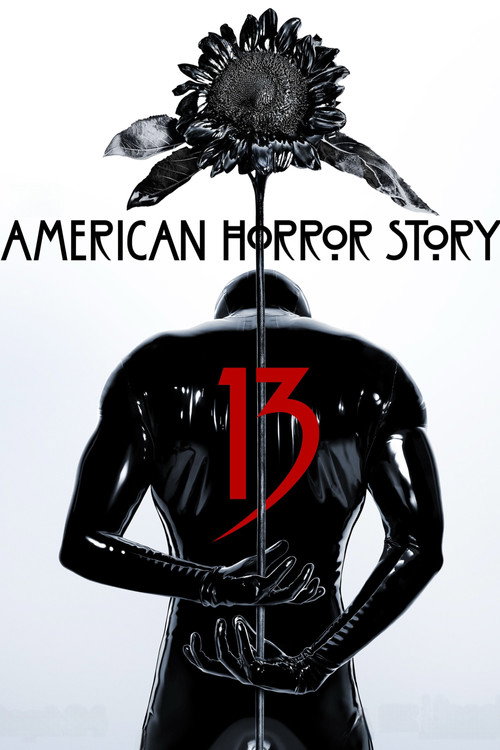
American Horror Story scene 2
The Secret to Longevity
The franchise has successfully tapped into the zeitgeist by constantly shifting its focus to modern fears. Whether it is political anxiety in Cult, the trauma of Hollywood fame in Hotel, or the isolation of the apocalypse in Apocalypse, the show manages to weave real-world paranoia into its supernatural fabric.
It is rare for a show to remain relevant for over a decade, but AHS does it by never staying in one place for too long.
The Verdict: While it is not always a perfectly structured masterpiece, American Horror Story remains a powerhouse because it is never boring. It is a bold, experimental playground for actors and creators alike, ensuring that it remains the standard-bearer for horror on television.
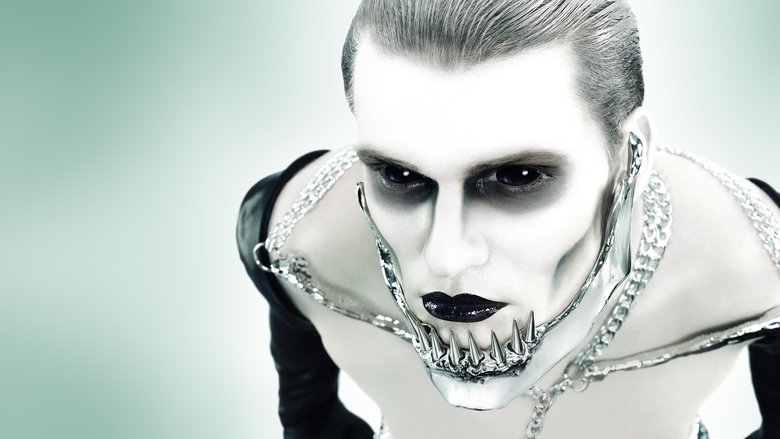
American Horror Story scene 3
Conclusion
As the series continues to expand its reach, the core appeal remains the same: it is a fearless exploration of the darkest corners of the American psyche. By refusing to play by the rules of traditional serialized television, it has ensured its own survival.
Ultimately, American Horror Story succeeds because it doesn't try to please everyone; it simply invites us to witness the nightmare.