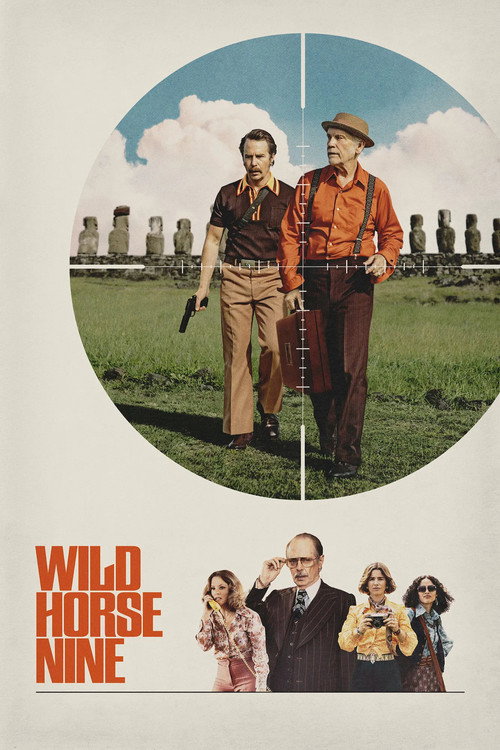
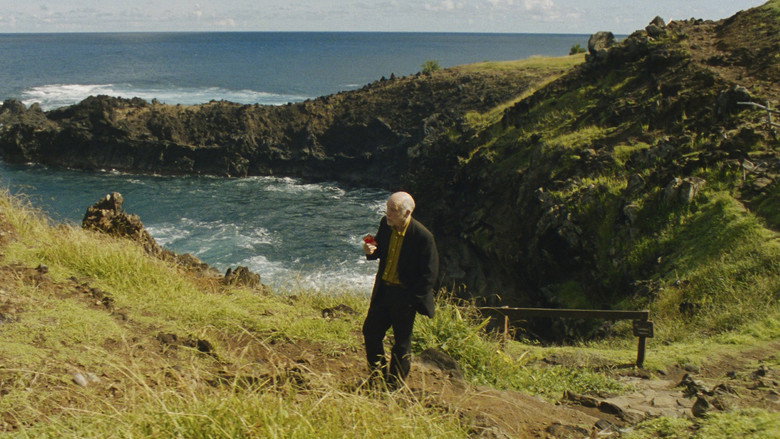
In an era of bloated blockbusters, Wild Horse Nine arrives with the quiet confidence of a masterclass, stripping away the spectacle to focus entirely on the raw, unpredictable nature of its characters. McDonagh crafts a narrative that feels both deeply intimate and jarringly expansive, proving that a single room can hold more tension than a thousand CGI battles.
This article examines the critical consensus, the standout performances that define the experience, and why the film’s unflinching screenplay has sparked such a vibrant conversation among audiences and cinephiles alike.
A Return to Form for McDonagh
Wild Horse Nine marks a significant pivot for the director, moving away from high-concept satire toward a grounded, almost brutalist approach to human relationships. By stripping back the stylistic flourishes that dominated his previous works, McDonagh allows the script to breathe, resulting in a film that feels remarkably present and disturbingly real. What worked: The decision to limit the primary cast to a small ensemble allowed for a level of character depth that is rarely seen in modern drama.
Critics have been quick to praise the film’s pacing, which avoids the typical beats of a traditional thriller in favor of a slow-burn descent into moral ambiguity. There is a palpable sense of dread that permeates every scene, anchored by performances that avoid melodrama to reach something far more unsettling.
The beauty of the film lies in the silence—it is in those quiet, desperate moments between the lines of dialogue that the true narrative is told.
The Anatomy of a Modern Tragedy
At its core, Wild Horse Nine is a meditation on the cost of pride and the circular nature of violence. The film follows a group of isolated figures forced to confront their pasts in an environment that offers no forgiveness. What did not work: Some viewers may find the third act’s sudden shift in tone jarring compared to the methodical pace of the first two, though this transition is undeniably bold.
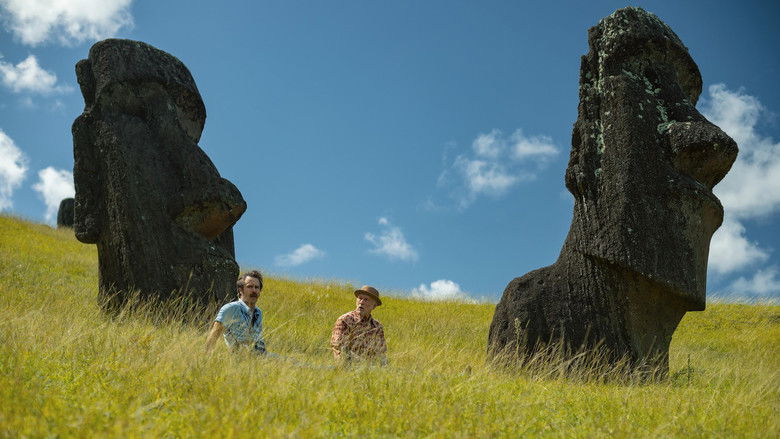
Wild Horse Nine scene 1
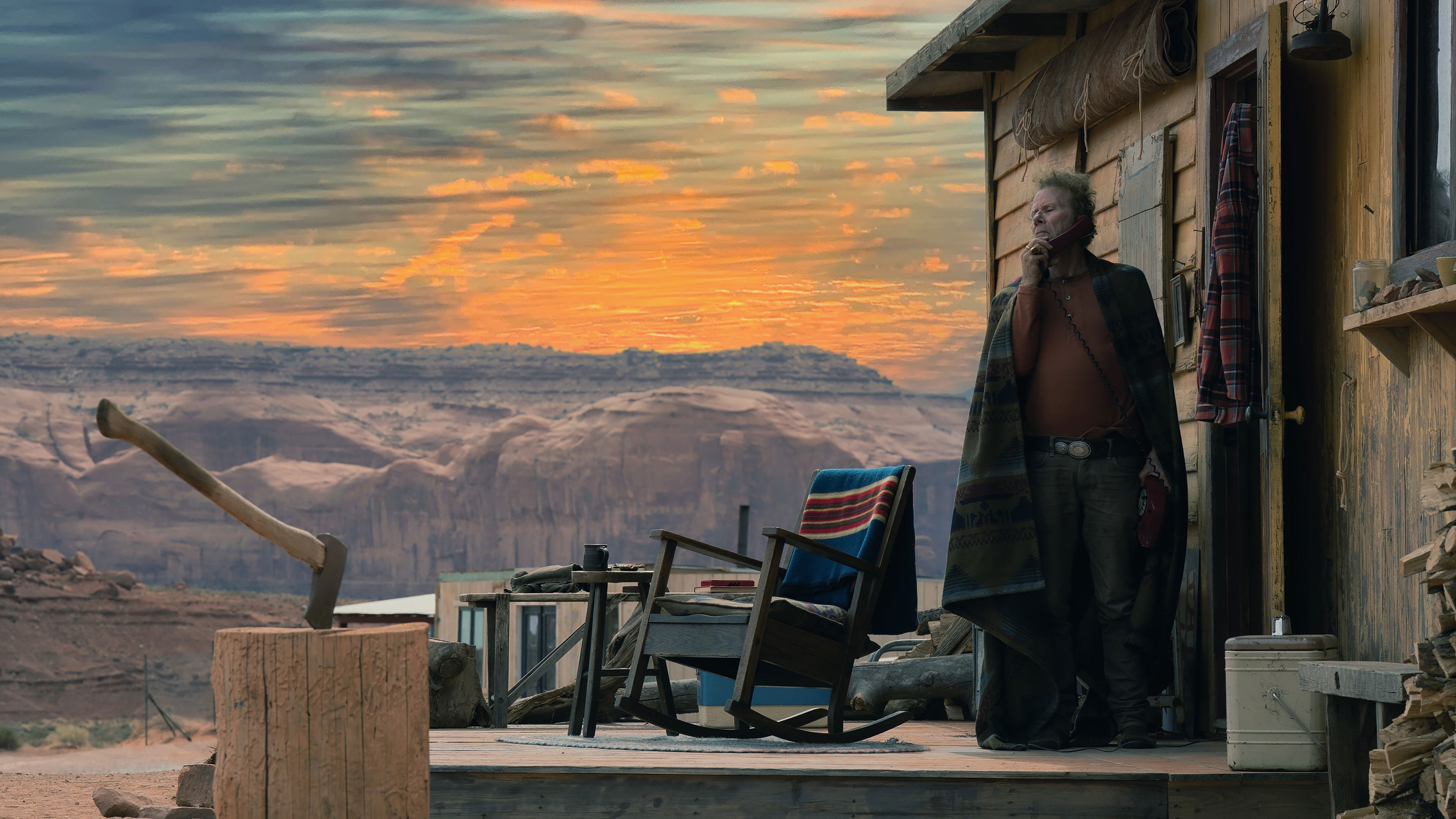
The cinematography serves as a silent protagonist, capturing the oppressive landscape with a stark, washed-out palette that mirrors the emotional states of the characters. Every frame feels deliberate, reinforcing the idea that these individuals are trapped not just by their circumstances, but by their own inability to change their trajectory. The verdict: Wild Horse Nine is a formidable achievement in character-driven storytelling that demands multiple viewings to fully unpack its complex themes.
What Fans Are Saying
The reception to the film has been polarized in the best way possible, sparking intense discourse across social media and film forums. The defenders: Many fans argue that the movie is the most honest depiction of human fallibility in years, praising the dialogue for its sharp wit and devastating emotional precision. They see it as a necessary subversion of the typical redemption arc.
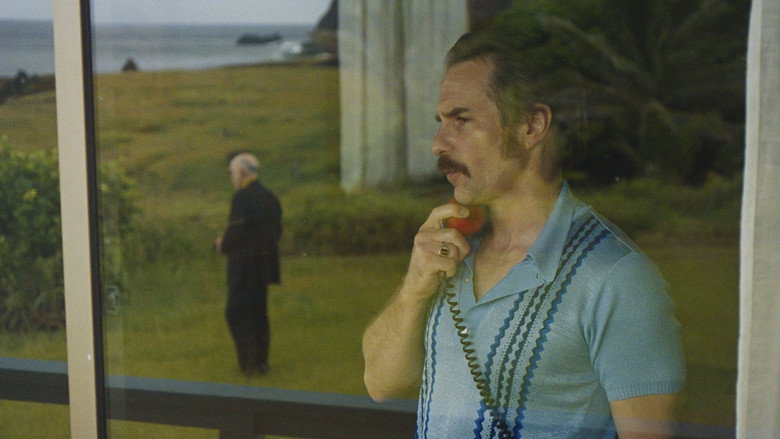
Wild Horse Nine scene 2
The critics: Conversely, some viewers feel the film is too nihilistic, arguing that the lack of a clear moral center makes the experience unnecessarily draining. They point to the ambiguous ending as a sign of intellectual frustration rather than thematic depth. The middle: A growing group of moviegoers appreciates the technical mastery on display, acknowledging that while the film may not be 'enjoyable' in the traditional sense, it is an essential piece of art that lingers in the mind long after the credits roll.
Thematic Connections and Influences
If you have a penchant for films that dissect the darker sides of human nature, Wild Horse Nine fits perfectly into a lineage of existential dramas. Much like the works of the Coen brothers or the more restrained efforts of Paul Thomas Anderson, the film relies on the audience’s ability to sit with discomfort.
The film does not hold your hand; it forces you to walk through the fire alongside its characters, and the burn is entirely intentional.
The influence of classic stage plays is evident in the film’s blocking and dialogue, which feels meticulously crafted to build tension through proximity. It avoids the temptation to over-explain the motivations of its antagonists, leaving the audience to parse through the motivations behind each betrayal and alliance.
Wild Horse Nine scene 3
The Final Word
Wild Horse Nine succeeds because it refuses to offer easy answers to the difficult questions it poses. By trusting the intelligence of its audience, the film creates a space for genuine reflection, positioning itself as a standout title in a year defined by safe, formulaic releases.
Ultimately, the film stands as a testament to the power of character-led cinema. Whether you walk away feeling enlightened or deeply unsettled, you will certainly not walk away indifferent. It is a work that demands to be seen, debated, and remembered as a highlight of the current cinematic landscape.