When you finish a season of Slow Horses, the real withdrawal isn't just about the espionage; it is about that specific blend of biting British cynicism, unglamorous desk-work, and sudden, shocking violence. Finding another show that captures the 'Slough House' spirit requires something that favors damaged characters over invincible superheroes and sharp, cutting dialogue over bloated action sequences.
This list rounds up the essential British spy dramas that mirror Jackson Lamb’s gritty world, focusing on morally gray protagonists, bureaucratic tension, and the relentless tension of the intelligence underworld.
The Spy Genre Beyond the Glitz
The success of Slow Horses proves that audiences are hungry for the 'grime and grit' side of intelligence work. Moving away from the tuxedo-clad tropes of classic cinema, these shows strip back the layers to reveal a world that is messy, tired, and deeply human. Whether it is a legacy of the Cold War or the digital paranoia of the modern age, these series lean into the reality that the most dangerous secrets are often hidden in plain sight.
The common thread among these selections is a commitment to character-driven storytelling where consequences matter. When a mission fails in these narratives, it isn't a plot device—it's a tragedy that haunts the characters for the remainder of their careers. If you enjoyed the blend of humor and nihilism in Slough House, these entries will feel right at home on your watchlist.
The best spy stories aren't about saving the world; they are about surviving the people who are supposedly on your side.
1. The Sandbaggers (1978–1980)
What worked: This remains the gold standard for office-based espionage realism, emphasizing the friction between political maneuvering and field operations. The dialogue is sharp, laser-focused, and treats the viewer with intelligence, refusing to over-explain the complex web of British and Soviet interactions.
What did not work: Viewers accustomed to modern 4K production values might find the 70s aesthetics jarring, though the narrative quality is timeless. It requires your full attention to track the intricate power plays occurring in sterile, windowless rooms.
The verdict: If you want to see where the DNA of modern shows like Slow Horses truly originated, start here. It is the purest depiction of a spy agency as a brutal, unforgiving workplace.
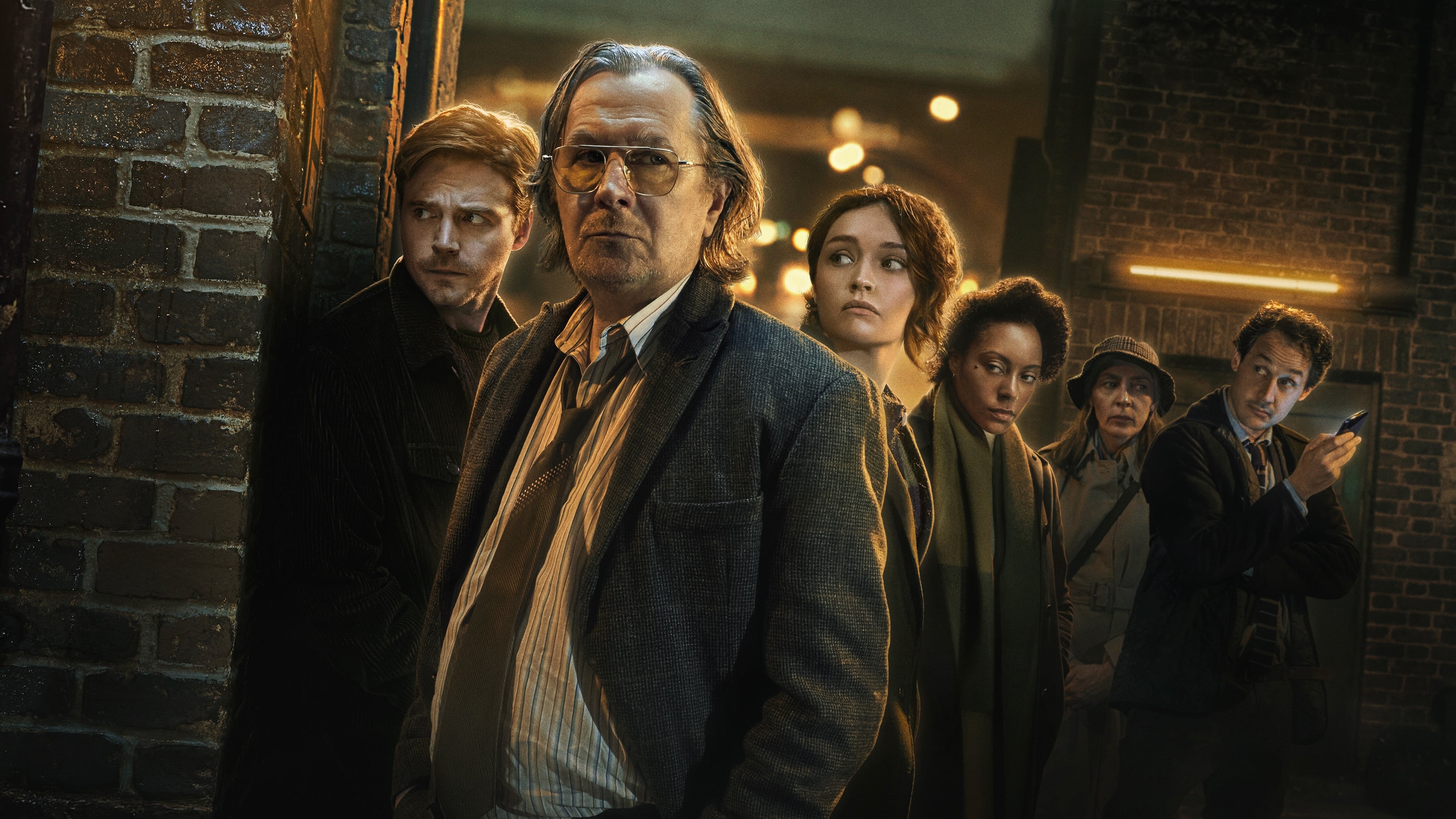
Slow Horses scene 1
2. Tinker Tailor Soldier Spy (1979)
The defenders: Fans of the genre consider Alec Guinness's George Smiley to be the definitive antithesis to the James Bond archetype, offering a masterclass in quiet, observant acting. It is a slow burn that rewards patience with a devastating payoff.
The critics: For those looking for rapid-fire action, this will feel agonizingly slow. It is a mood piece that demands total immersion in its grey, damp, and cynical world of Cold War paranoia.
The middle: Even those who find the pacing difficult to handle admit that the script remains one of the greatest adaptations in television history. It is an essential watch for understanding the tone of classic British espionage.
3. The Capture
What worked: This series masterfully modernizes the genre by focusing on the 'Correction'—a terrifying look at how deepfakes and manipulated footage can distort reality. It feels urgent, contemporary, and deeply paranoid.
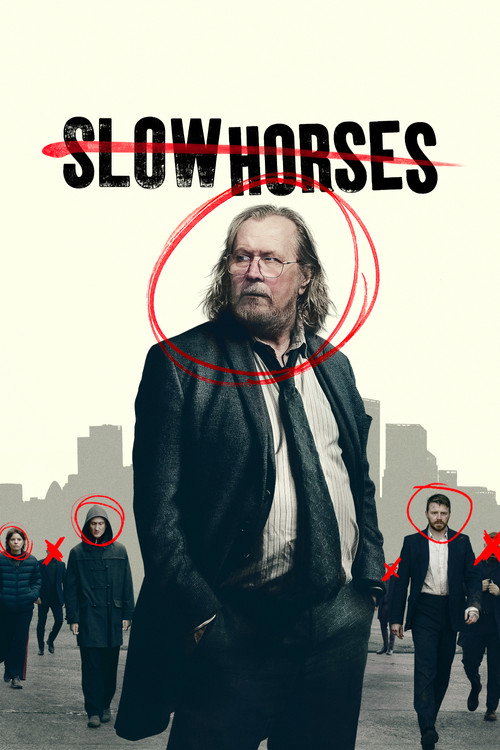
Slow Horses scene 2
What did not work: The narrative sometimes pushes the boundaries of suspension of disbelief as it tackles massive technological conspiracies, which can distract from the grounded performances of the lead detectives.
The verdict: It is the perfect choice if you prefer your spy thrillers with a side of modern techno-thriller anxiety. It captures that same feeling of being trapped in a system that is rigged against you.
Paranoia is only the natural reaction to realizing that you are being watched by everyone, especially your own government.
4. Traitors
What worked: Set in the immediate aftermath of World War II, the show explores the moral rot of a nation trying to maintain its empire while turning into a playground for American and Soviet intelligence assets. It is stylized, tense, and features a brilliant central performance.
The verdict: While it leans more into historical drama than procedural espionage, it nails the atmosphere of betrayal that defines the best spy stories. It provides a fascinating look at the shift from the chaos of war to the calculated coldness of the Iron Curtain era.
5. Killing Eve (Series 1 & 2)
What worked: The first two seasons brought a chaotic, dark, and genuinely funny energy to the genre, mirroring the irreverent humor found in the interactions between River Cartwright and Jackson Lamb. The cat-and-mouse dynamic is electrifying.
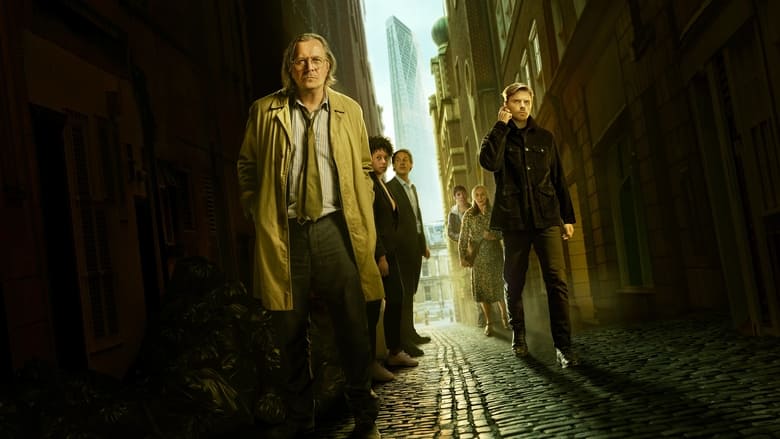
Slow Horses scene 3
The critics: Many fans argue the series lost its way in the final seasons, becoming self-indulgent and losing the tight, grounded threat that made the early episodes so compelling.
The verdict: Stick to the early seasons for a masterclass in how to pair high-stakes espionage with pitch-black comedy. It is a stylish, brutal, and thoroughly entertaining ride that honors the British tradition of dry, lethal wit.
Conclusion
Finding the right follow-up to Slow Horses is about matching that rare frequency of intellectual engagement and emotional cynicism. Whether you dive into the retro realism of The Sandbaggers or the modern digital paranoia of The Capture, you are looking for stories that respect the craft of intelligence work while acknowledging the human cost of the trade.
These shows remind us that the best spies are often the ones who are tired, overlooked, and perhaps just a little bit broken. If you find yourself missing the halls of Slough House, these five series offer more than enough grit, wit, and betrayal to keep your appetite for espionage fully satisfied.