This article contains major spoilers for The Pet Cemetery Murders. Read only if you have already seen it.
When the local cemetery becomes a nexus for unresolved trauma, the boundaries between the living and the dead begin to dissolve in the chilling conclusion to The Pet Cemetery Murders. The film forces its protagonists to reckon with their own grief, leading to a climax that is as emotionally devastating as it is terrifying.
This breakdown delves into the true nature of the cemetery's haunting, explains the ambiguous final sequence, and analyzes whether the cycle of violence is truly over or merely waiting to begin again.
The Weight of Unspoken Grief
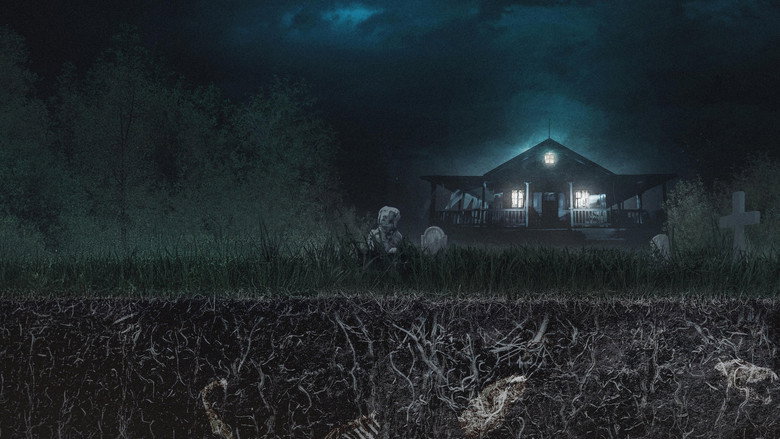
The Pet Cemetery Murders sets a slow-burn pace that prioritizes atmospheric dread over conventional jump scares. By focusing on a community built around loss, the film establishes that the cemetery is not merely a place of burial, but a repository for the regret that the townspeople refuse to articulate. The appearance of the specters is directly tethered to the characters' inability to move past their individual heartbreaks.
As the narrative progresses, it becomes clear that the haunting is a manifestation of collective denial. The ghosts do not act as traditional villains but rather as mirrors, forcing the living to look at the parts of themselves they have buried deep beneath the surface of their daily lives.
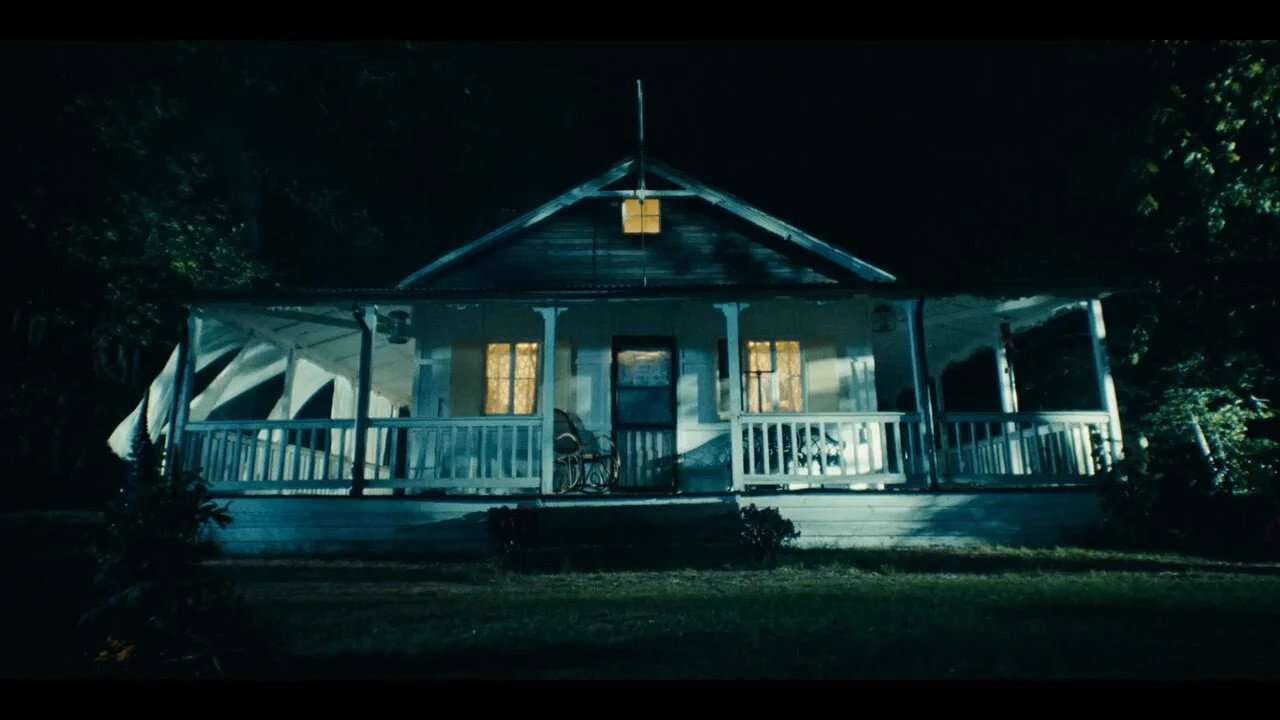
The Pet Cemetery Murders scene 1
The ghosts are never the problem; the silence kept by the living is the real tomb in this town.
The Climax at the Gates
In the final act, the protagonist's confrontation at the cemetery gates serves as the structural and emotional anchor of the story. Rather than seeking to exorcise the spirits, the resolution requires an act of profound acceptance. By acknowledging the specific, painful memories tied to the deceased pets and the people who buried them, the cycle of manifestation is momentarily halted.
What worked: The transition from physical horror to psychological catharsis is handled with masterful restraint, ensuring that the audience feels the emotional gravity of the final confrontation. What did not work: Some viewers may find the lack of a traditional, visceral confrontation against a singular "monster" slightly underwhelming given the buildup. The verdict: The ending is a haunting success that rewards viewers who pay attention to the thematic subtext.
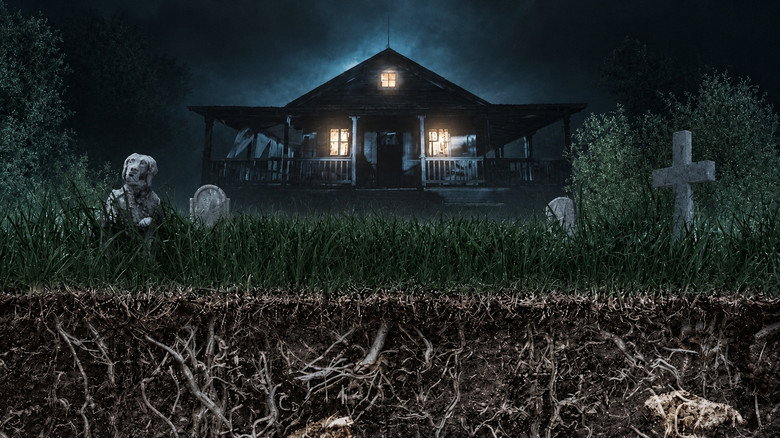
The Pet Cemetery Murders scene 2
The Ambiguous Final Shot
The film concludes with an image that has sparked significant debate: the protagonist walking away from the gates while a faint, familiar shadow lingers in the background. Does this imply that the hauntings are eternal, or is it a sign that some memories are simply too heavy to ever fully leave behind? The ambiguity is intentional, pointing toward the idea that trauma leaves an indelible mark on a landscape.
It is a story about the stubbornness of memory, and how some things, once planted in the soil, never truly stop growing.
What Fans Are Saying
The defenders: Many fans argue that the subtle ending is the film's greatest strength, praising the director for refusing to offer a clean, tidy resolution that would betray the movie's grim, realistic tone. The critics: Some audience members feel that the ambiguity is a cop-out, expressing frustration that the film doesn't explicitly clarify the rules of the supernatural phenomenon or the status of the surviving characters. The middle: A large portion of the audience appreciates the film's artistic ambition but admits that the deliberate pacing and lack of clear answers make it a challenging watch that invites endless speculation rather than providing a satisfying wrap-up.
The Pet Cemetery Murders scene 3
A Cycle That Never Ends
The thematic conclusion of The Pet Cemetery Murders rests on the inevitability of the past. By refusing to show a permanent end to the haunting, the film suggests that grief is not something to be conquered, but something to be managed. The final shot serves as a reminder that as long as we hold onto our losses, they remain active participants in our present lives.
Ultimately, the film succeeds because it respects the audience's intelligence, opting for a lingering sense of unease over a pat, blockbuster resolution. It is a haunting exploration of mortality that will likely remain in the viewer's consciousness long after the credits have finished rolling, serving as a cautionary tale about the things we leave buried.