This article contains major spoilers for The Penguin. Read only if you have already seen it.
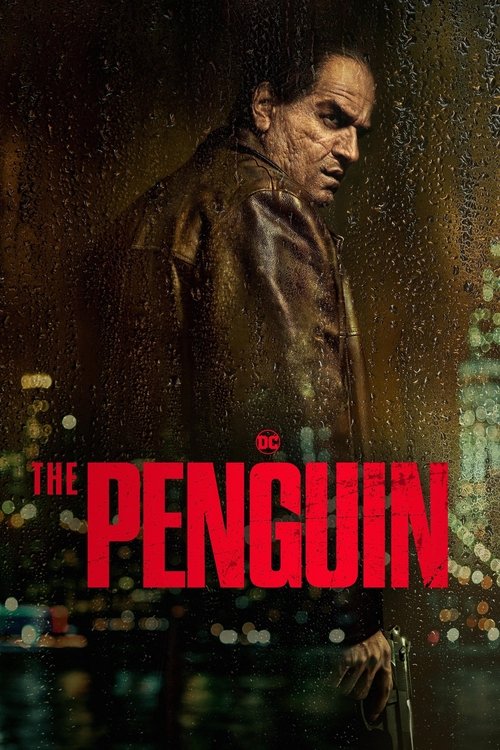
The finale of The Penguin marks the chilling completion of Oz Cobb’s transformation from a mid-level lieutenant into the undisputed kingpin of Gotham City. In a final act of cold-blooded manipulation, Oz secures his empire while leaving behind a trail of psychological wreckage that sets the stage for the city’s darkest era.
This breakdown covers the betrayal of Victor Aguilar, the fate of Sofia Falcone, and how the show’s conclusion directly bridges to the looming threat of the Riddler and the shadow of Batman in the criminal underworld.
The Price of Ambition
The conclusion of Oz Cobb's journey is fundamentally a tragedy disguised as a triumph. Throughout the series, Oz plays the role of the underdog, utilizing his perceived insignificance as a weapon against the old guard of the Falcone and Maroni families. By the time the dust settles, he has successfully pitted his enemies against one another, effectively leaving himself as the only viable power structure remaining in Gotham’s criminal vacuum.
The betrayal of Victor is the series' most devastating emotional beat. Despite claiming to view Victor as a protégé—or even a son—Oz ultimately realizes that his greatest vulnerability is his humanity. By murdering Victor in the final moments, Oz proves that he has fully embraced his villainy, purging the only person who offered him genuine loyalty to ensure that no one can ever hold his heart hostage again.
The city is a mirror. It shows you exactly what you put into it. And Oz Cobb didn't put in anything but hate.
The Fate of Sofia Gigante
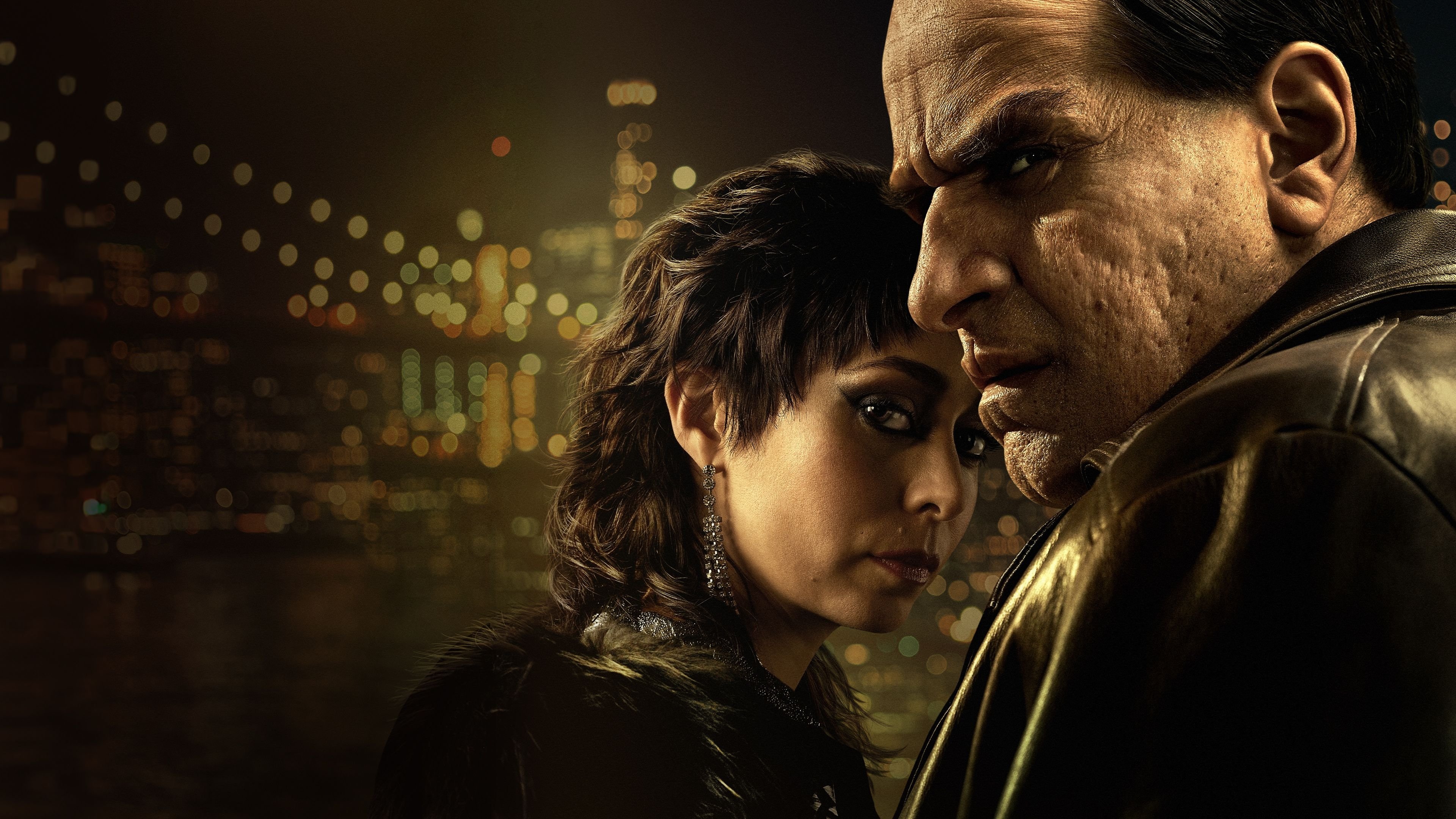
Sofia’s return to Arkham Asylum serves as the narrative bookend for her character arc. After nearly succeeding in taking down Oz, her defeat is not a result of incompetence, but of being outplayed in the game of emotional manipulation. Oz’s decision to leave her alive but broken is a calculated risk, ensuring that she remains a cautionary tale while he occupies the throne she spent the entire series trying to claim.
The Penguin scene 1
The rivalry between Oz and Sofia highlights the stark differences in their motivations. While Sofia acts out of trauma and a desire for legacy, Oz acts out of pure, unadulterated selfishness. By weaponizing her own past against her, Oz demonstrates that he is not just a gangster, but a master of psychological warfare who understands how to break a person before he ever pulls the trigger.
What Worked and What Did Not
What worked: The series excels in its grounded, gritty portrayal of Gotham. By removing the superhuman elements and focusing on the slow-burn evolution of a mobster, the show creates a sense of dread that permeates every episode. Colin Farrell’s performance is nothing short of transformative, grounding a larger-than-life character in the mundane reality of organized crime.
What did not work: Some viewers may find the pacing in the middle episodes slightly sluggish as the power struggle between the Maroni and Falcone families becomes overly repetitive. While the world-building is impeccable, the lack of a broader perspective on the city’s suffering sometimes makes the internal politics feel disconnected from the citizens of Gotham.
The Penguin scene 2
The verdict: The Penguin is a masterclass in character-driven storytelling. It succeeds not by trying to emulate the flashiness of other DC projects, but by committing fully to the grime and moral ambiguity of a city in decay. It is essential viewing for anyone interested in the criminal foundations of the Batman mythos.
What Fans Are Saying
The defenders: Fans have praised the series for its uncompromising tone and refusal to redeem its lead character. Many appreciate the direct connection to the aesthetic of the 2022 film, noting that the show enriches the setting without needing to rely on capes or masks for excitement.
The critics: Detractors argue that the show is unnecessarily bleak and that the lack of a traditional hero makes it difficult to engage with the stakes of the conflict. Some have expressed exhaustion with the "villain-protagonist" trope, suggesting that Gotham deserves a more diverse range of stories.
The Penguin scene 3
The middle: Most viewers fall in the middle, acknowledging that while the show can be repetitive in its plot points, the sheer quality of the acting and the production design makes it a top-tier addition to the current landscape of comic book adaptations.
The Future of Gotham
The final image of Oz—watching over his domain while wearing his mother’s jewelry—solidifies his place in the pantheon of iconic villains. By establishing himself as the primary criminal power in Gotham, he has created the perfect challenge for the city’s protectors. The power vacuum left by the collapse of the major families ensures that Gotham remains a powder keg, ready to explode at the slightest provocation.
The legacy of the series lies in its ability to show that Gotham doesn’t need a supernatural threat to become a hellscape. It just needs a man like Oz Cobb who is willing to sacrifice everything, including his own humanity, to reach the top. As we look ahead to the future of this universe, one thing is clear: the war for the soul of the city has only just begun.