This article contains major spoilers for The Paper. Read only if you have already seen it.
The Paper returns with a sophomore effort that trades the slow-burn investigative mystery of its debut for a high-octane political thriller that pushes its lead characters to their breaking points. It is a season defined by betrayal, moral ambiguity, and the crushing weight of public scrutiny.
This recap covers the major character shifts, the consequences of the season one finale, and why the show’s shift in tone has sparked such intense debate among its dedicated fanbase.
The Stakes are Higher Than Ever
Picking up months after the explosive revelations of the freshman outing, The Paper Season 2 wastes no time in re-establishing the tension that made the show a breakout hit. The editorial board is now struggling to maintain its integrity under new ownership, while the central investigative team faces internal fractures that threaten to destroy the very stories they are trying to tell.
The writing this season leans heavily into the institutional rot of the city, using the newsroom as a microcosm for a failing system. What worked: The relentless pacing ensures that each episode feels like a ticking clock, forcing characters to make impossible choices in real-time. What did not work: Some of the subplots regarding secondary characters feel somewhat truncated, likely due to the season's tighter episode count compared to its predecessor. The verdict: While it lacks some of the intimate character focus of Season 1, the sheer adrenaline and narrative ambition make it a superior, if more stressful, watch.
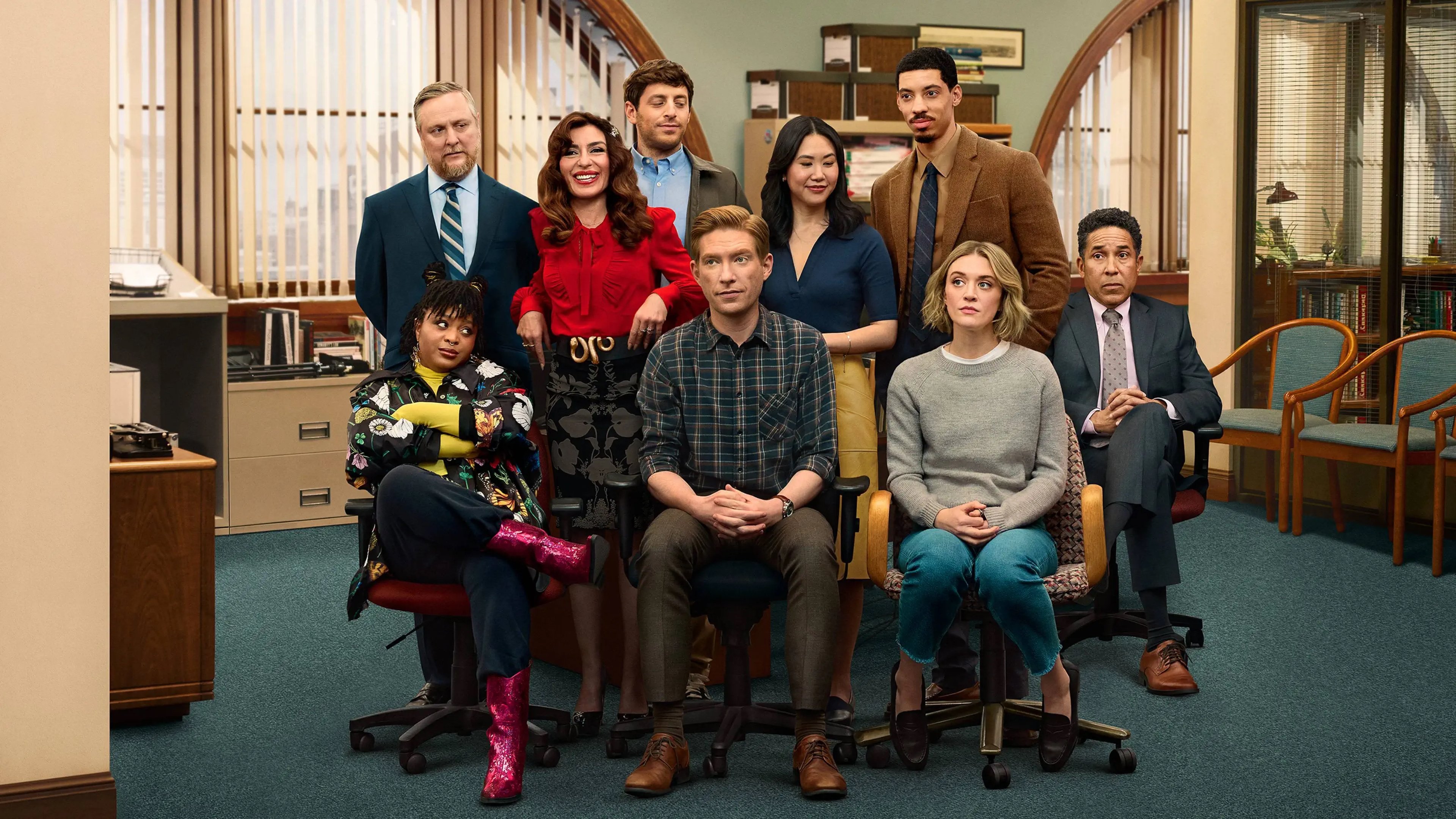
The Paper scene 1
The truth is not a destination. It is a casualty of the process.
The Transformation of Our Lead
At the center of the storm is our lead, who undergoes a profound shift in moral alignment this season. No longer the naive truth-seeker, they have become a pragmatist, willing to burn bridges and compromise ethics for the sake of the greater story. This development has been the primary driver of audience discourse, as many viewers struggle to sympathize with a protagonist who has become increasingly ruthless.
The season excels in depicting this transition through small, quiet moments rather than loud, dramatic outbursts. We see the toll of these decisions not in their dialogue, but in the isolation that follows every successful scoop. The shift is earned, reflecting a world where the idealistic approach is no longer a viable path to survival.
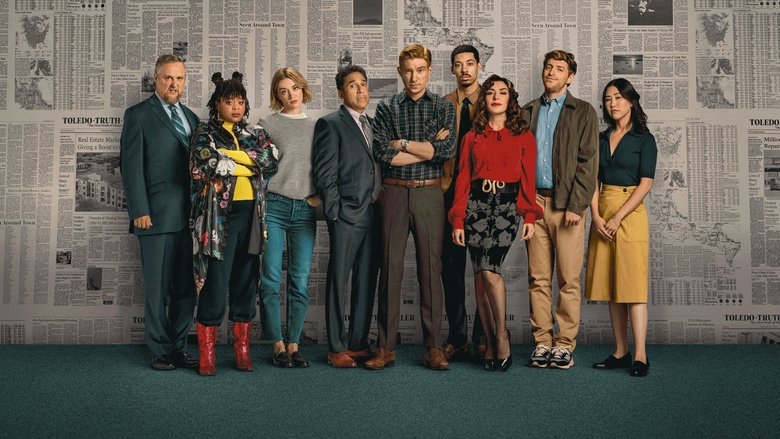
The Paper scene 2
What Fans Are Saying
The reception to the second season has been markedly polarized. The defenders: Loyal viewers praise the show for refusing to stagnate, arguing that the characters' evolution into darker versions of themselves is the most realistic portrayal of burnout in the modern journalism landscape. They point to the cinematography and the sharp, unforgiving scripts as evidence of a series operating at the height of its power.
The critics: Conversely, some long-time fans feel the show has abandoned its grounded roots in favor of melodrama. They argue that the plot twists in the middle episodes defy logic and that the supporting cast, once vital to the show's texture, has been sidelined for spectacle. The middle: A significant portion of the audience sits in the middle, acknowledging that while the show is less 'cozy' than the first season, it remains the most compelling drama currently on television.
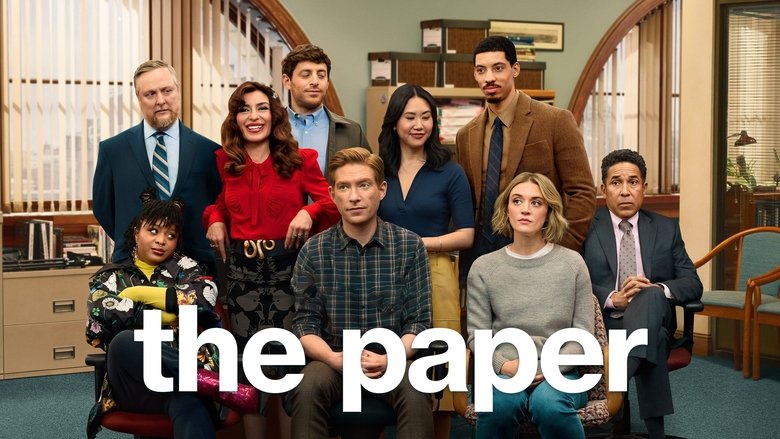
The Paper scene 3
Television is rarely this brave when it comes to tearing down its own heroes.
The Climax and Its Aftermath
The finale of Season 2 is a masterclass in tension, delivering a conclusion that manages to wrap up the primary mystery while blowing open the door for a potential third season. It leaves no one unscathed. The final scene, which reframes the entire central conflict of the season, is destined to be discussed for years to come as one of the most audacious cliffhangers in recent memory.
For those left wondering: The creators have confirmed that the final sequence was intentionally ambiguous, designed to reflect the uncertainty inherent in the news business. There are no easy answers to be found, and the characters are left to pick up the pieces in a world that has fundamentally changed around them. The future of the series remains uncertain, but if this is the final word, it is a haunting, resonant exit.