This article contains major spoilers for Spider-Man. Read only if you have already seen it.
The conclusion of the Brand New Day era represented more than just a creative pivot; it was a fundamental recalibration of who Peter Parker is when stripped of his historical baggage. By untethering the wall-crawler from decades of continuity, Marvel signaled a return to the roots of the character, prioritizing personal struggle over cosmic stakes.
This analysis examines the narrative shift following this pivotal arc, the return to street-level stakes, and how the current landscape of the Spider-Man franchise continues to be shaped by this necessary status quo reset.
The Anatomy of a Soft Reboot
What worked: The decision to effectively hit a reset button allowed writers to focus on the essential dynamics that define Spider-Man: the balance between his mundane financial struggles and his heroic responsibilities. By removing the marriage to Mary Jane, the franchise regained the classic "Parker Luck" tension that had been largely absent in contemporary issues, forcing the character into a more vulnerable, relatable state.
What did not work: The inherent controversy of erasing such a monumental period of character development alienated a significant portion of the core readership. While the narrative mechanics were designed to restore a specific vibe, the cost was a temporary disconnection from the emotional maturity Peter had earned through years of marriage and professional growth.
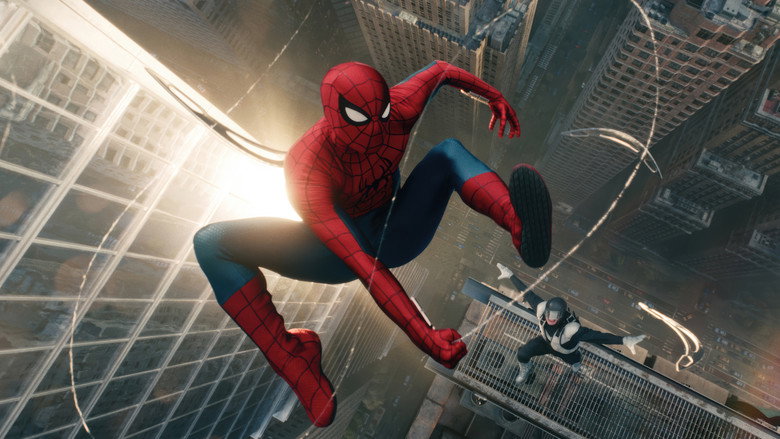
Spider-Man scene 1
The essence of Spider-Man is not in the scope of his power, but in the relentless, grounded grind of his daily life. Brand New Day recognized that the mask is only as interesting as the man hiding behind it.
Returning to the Neighborhood
The shift in scale: Following the massive cosmic events that often define comic book publishing, the post-Brand New Day era doubled down on the "friendly neighborhood" concept. This move was a deliberate reaction against the growing trend of event-fatigue, choosing instead to re-establish the supporting cast and the city of New York as active participants in Peter’s journey rather than mere scenery.
The street-level focus: By anchoring the conflict back into the boroughs and emphasizing the social impact of his heroics, the franchise rediscovered the intimacy that made Spider-Man the most enduring figure in the Marvel stable. This focus ensures that no matter how large the threat, the stakes remain deeply personal to the reader.
What Fans Are Saying
The defenders: Many fans argue that this period successfully injected a much-needed shot of energy into the title. They point to the high-frequency release schedule and the ensemble of writers as a masterclass in recapturing the tone of the classic Stan Lee and Steve Ditko era, stripped of the cynicism that had crept in over time.
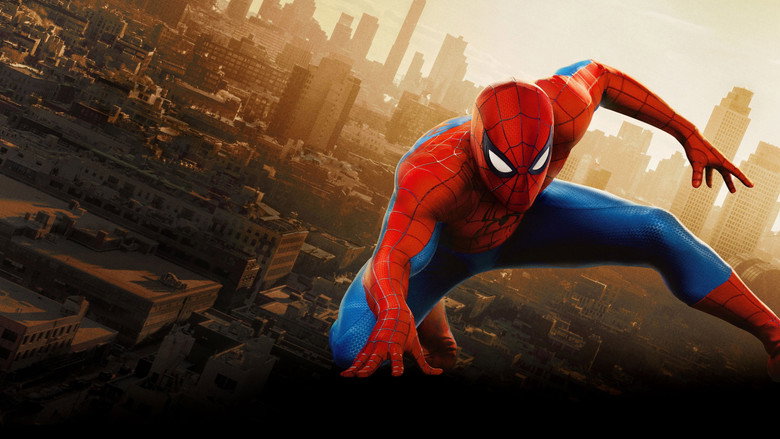
Spider-Man scene 2
The critics: Detractors maintain that the erasure of character growth was a regression that stalled Peter’s evolution. For these readers, the status quo felt artificial, creating a character who was perpetually stuck in a loop of youth and failure rather than moving forward into the next phase of his life as an adult.
The middle: A significant portion of the audience appreciates the technical brilliance of the storytelling during this phase while still mourning the loss of the "evolved" Peter Parker. For this demographic, it is possible to enjoy the sharp, witty dialogue and inventive villain reboots while acknowledging that the editorial mandate created a narrative dissonance that still resonates today.
Spider-Man scene 3
When you strip away the history, you either find the core or you find a void. Brand New Day proved that Spider-Man is strong enough to survive being broken down to his components, but it raised the question of whether he should stay that way.
The Verdict on Legacy
The verdict: Ultimately, the post-Brand New Day landscape serves as a testament to the elasticity of the Spider-Man franchise. It proves that the character’s longevity relies on his ability to be constant and ever-changing simultaneously. While the move was divisive, it successfully paved the way for modern iterations that blend classic tropes with contemporary sensibilities.
Looking ahead: The future of the franchise remains bright, provided it balances that essential "everyman" struggle with the growth that readers naturally crave. As we move further away from these events, it is clear that the legacy of this era was not the erasure itself, but the renewed focus on the human heart of the character.