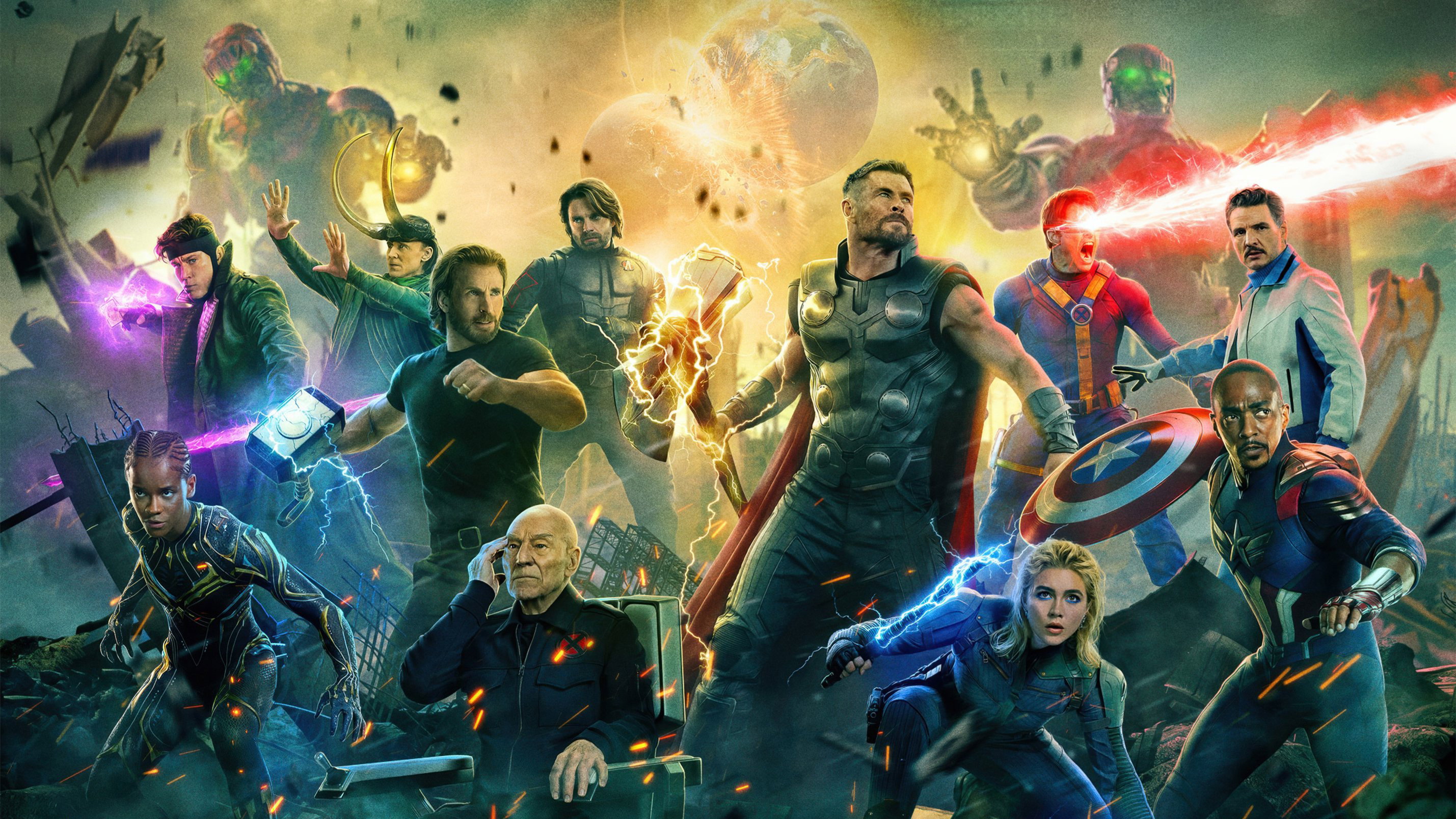
The Marvel Cinematic Universe stands at a critical juncture, navigating the closing chapters of the Multiverse Saga while attempting to recapture the cultural dominance of its earlier years. With big-budget stakes and shifting creative strategies, the path forward is as complex as the timeline itself.
This analysis covers the transition into Phase 6, the strategic pivot in superhero storytelling, and what the future of the Avengers looks like in a post-Infinity Saga landscape.
The State of the Multiverse
The MCU has spent the last several years exploring the chaotic potential of branching realities, though the reception to this narrative direction has been decidedly mixed. By leaning heavily into the multiverse, Marvel has struggled to maintain the grounded, character-driven stakes that defined the early MCU, often sacrificing emotional resonance for spectacle.
What worked: The willingness to experiment with different genres, such as the cosmic horror influences seen in recent projects, has provided fresh visual palettes. What did not work: The oversaturation of content across both theatrical releases and streaming has led to viewer fatigue, diluting the impact of major events. The verdict: Phase 6 needs to trade the endless sprawl for a tighter, singular focus if it hopes to reclaim its audience.
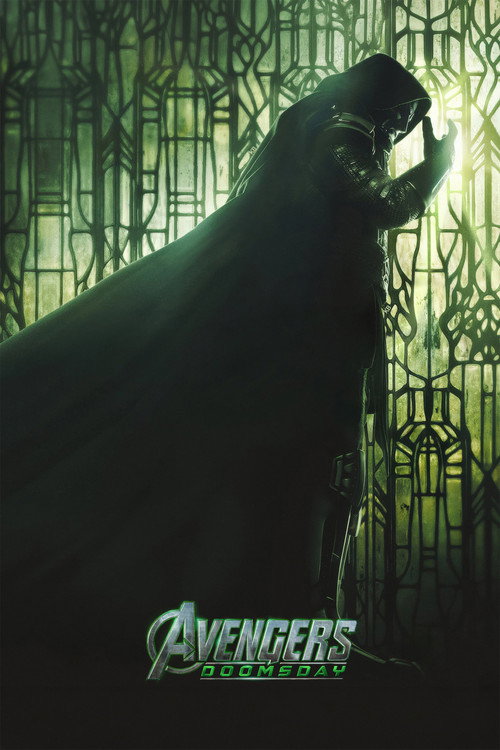
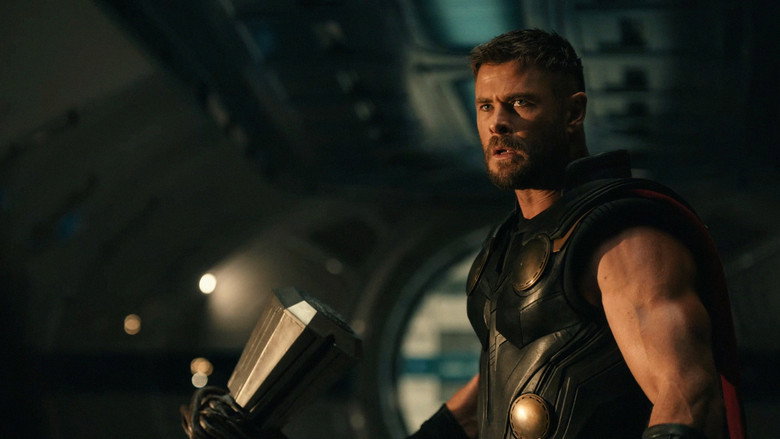
Avengers: Doomsday scene 1
The greatest strength of the MCU was never the powers; it was the people behind them. If Phase 6 focuses on the humanity of the heroes, it will inevitably succeed.
The Road to Avengers: Doomsday
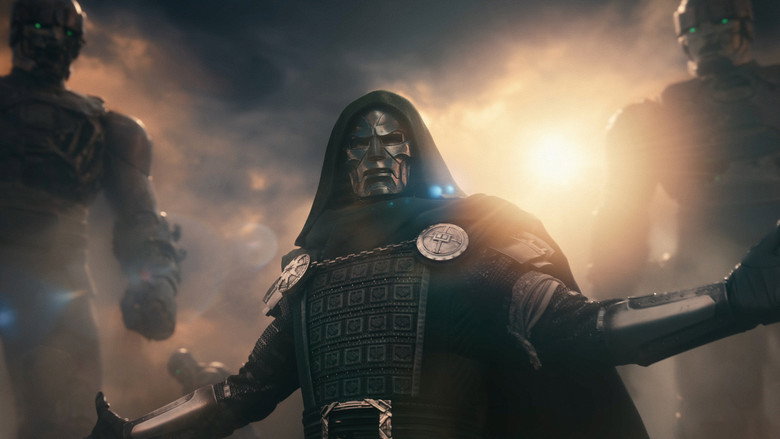
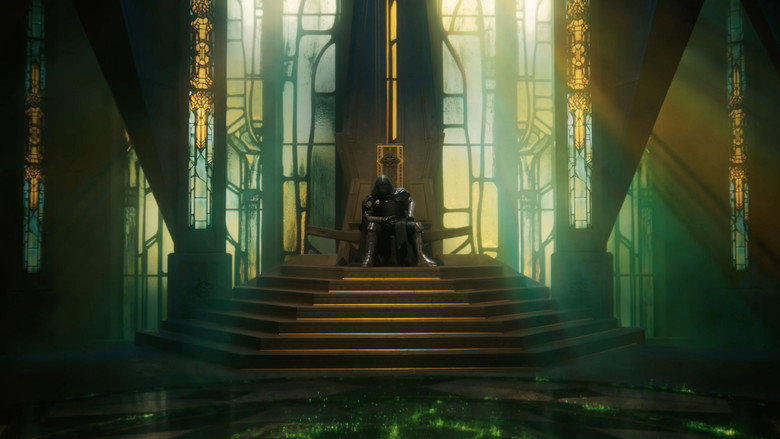
The announcement of Avengers: Doomsday serves as a pivotal realignment for the franchise, bringing the focus back to the weight of the Avengers brand. By centering the narrative on high-stakes, singular event films, Marvel is clearly signaling a return to the structure that built the brand's reputation.
The defenders: Fans of the comic book source material point out that these massive crossovers are the bedrock of what makes Marvel unique in cinema. The critics: Many feel that relying on familiar heavy hitters is a step backward, preventing newer characters from finding their footing. The middle: Most viewers are simply waiting for a cohesive story that feels like it has a definitive beginning, middle, and end.
Avengers: Doomsday scene 2
Phase 6 isn't just about finishing the Multiverse Saga; it is about proving that this interconnected model still has a reason to exist.
Revisiting the Street-Level Strategy
Alongside the cosmic threats, there is a palpable shift toward street-level narratives that feel more contained. This strategy allows for more grounded performances and character studies that don't require ten hours of prior viewing to understand, offering a much-needed break from the complexity of high-concept multiverse physics.
The future: We expect to see a delicate balance between these smaller, punchier stories and the massive event films. This duality could be the key to long-term sustainability, ensuring there is a variety of content for different types of Marvel fans.
Avengers: Doomsday scene 3
The Long-Term Outlook
Beyond the current slate, the real challenge for the MCU lies in introducing the next generation of icons while honoring the legacies of the original Avengers. Finding the balance between nostalgia and evolution will be the defining struggle of the studio for the remainder of the decade.
Final thoughts: The future of the Marvel Cinematic Universe rests on the quality of its scripts rather than the sheer scale of its production. If they can streamline their narrative focus and lean into what makes their characters compelling, they will undoubtedly emerge from this transitional period stronger than ever. Story must always come first.