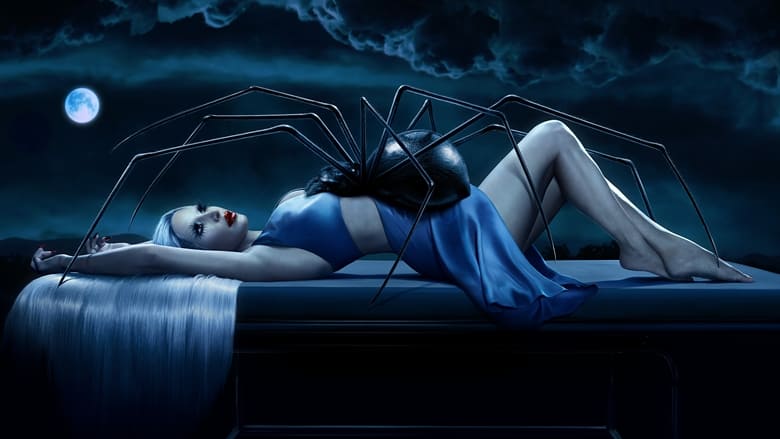
The days of horror being relegated to the late-night cable graveyard are long gone, replaced by a digital landscape where terror is the most potent currency for streamers. By 2026, the genre has moved beyond mere jump-scare compilations to become a sophisticated, globalized engine for prestige storytelling.
This shift reveals a new reality where platform-exclusive nightmares, international genre-blending, and elevated auteurs dictate the cultural conversation. We examine how streaming has fundamentally altered the DNA of modern frights.
The Shift Toward Prestige Terrors
What worked: The industry has finally embraced the idea that horror is a legitimate vehicle for deep, psychological exploration. Streaming platforms have provided a home for filmmakers like Lee Cronin or Zach Cregger to experiment without the traditional constraints of theatrical box office expectations. By allowing directors to lean into ambiguity, platforms like Netflix and Max have cultivated a loyal audience that values atmospheric dread over cheap thrills.
What did not work: The oversaturation of the market. Because horror is relatively inexpensive to produce compared to massive blockbuster tentpoles, we have seen a deluge of derivative 'streaming-first' content. These titles often fall into repetitive tropes that dilute the impact of genuinely innovative works, making it harder for the average subscriber to navigate the sheer volume of mediocrity to find the gems.
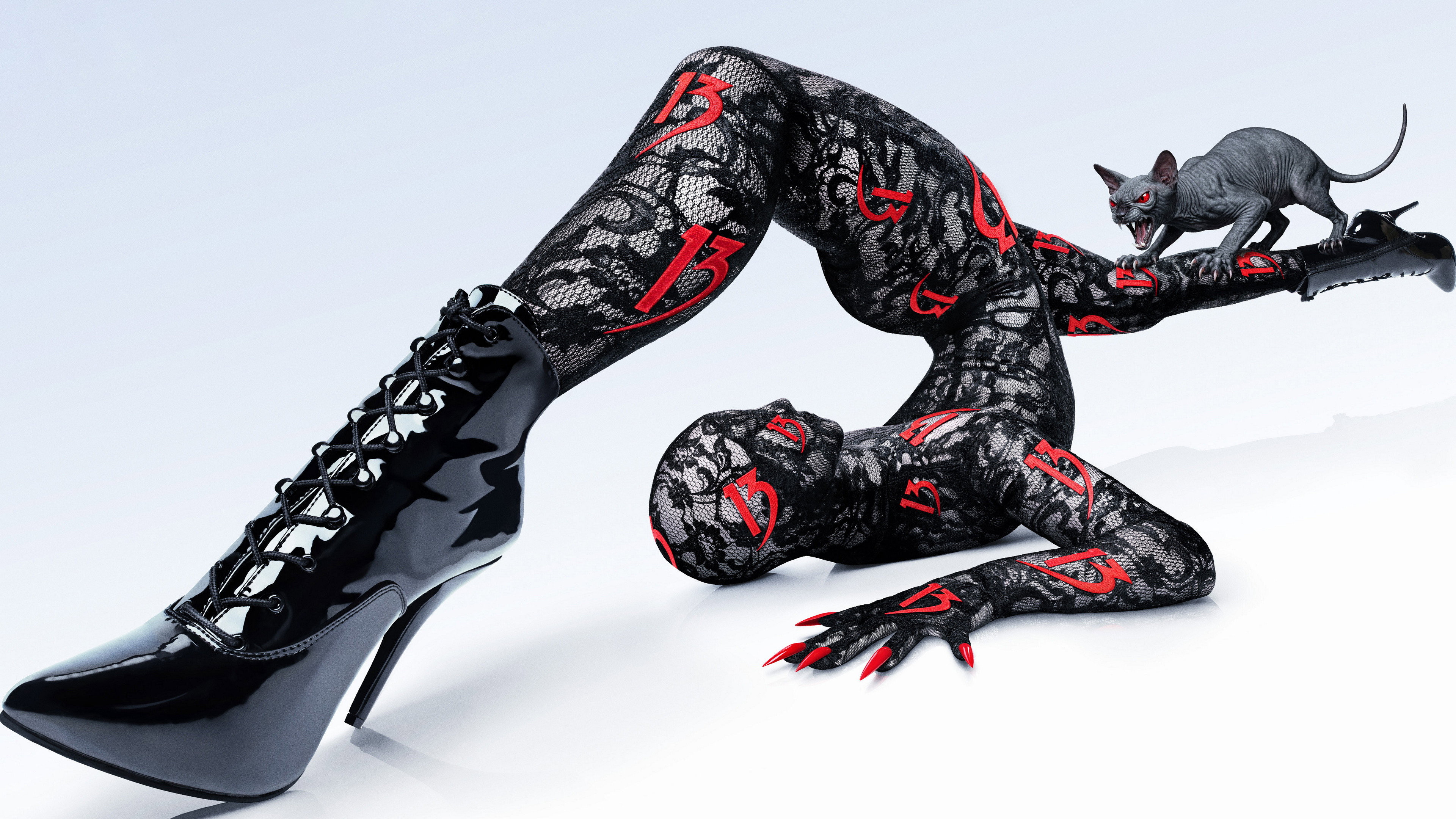
horror scene 1
The most terrifying things in 2026 aren't the monsters on the screen, but the algorithms that predict exactly how much blood it takes to keep a user from clicking 'stop' before the credits roll.
The Global Horror Renaissance
The rise of international terror has been the single most significant development in the streaming era. Audiences are no longer confined to Hollywood output; they are devouring supernatural mysteries from Korea, brutal slashers from South America, and folk horror from Europe. This accessibility has democratized the genre, allowing unique cultural fears to resonate with a global audience, proving that true fear is a universal language.
The impact on storytelling: When content is intended for a global audience, the reliance on jump scares diminishes in favor of universal archetypes and mood-driven narratives. This has forced Western producers to raise their game, incorporating more complex, non-linear storytelling and deeper world-building to compete with the high-caliber international content that now consistently tops the 'Global Top 10' charts on major platforms.
The Audience Perspective
The defenders: Fans argue that streaming has saved the genre, pointing to the renaissance of experimental, low-budget indie horror that would have been ignored by traditional studios. They appreciate the ability to pause, rewind, and analyze deep lore, which has fostered massive online communities dedicated to deciphering plot intricacies and hidden symbolism.
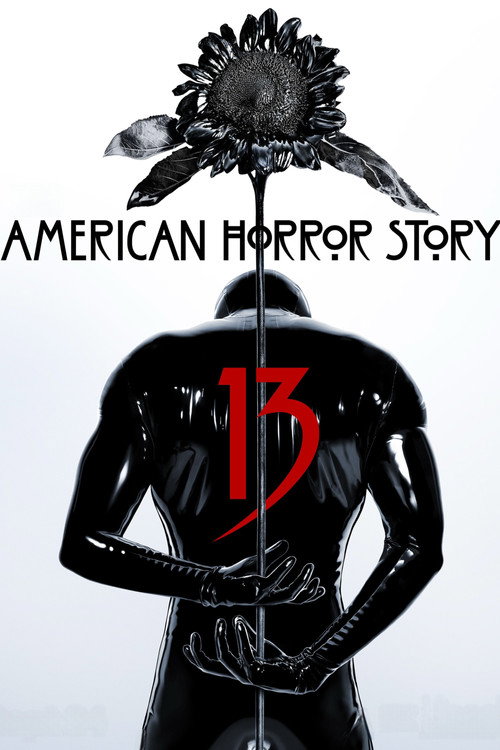
horror scene 2
The critics: Conversely, purists argue that the move to streaming has diminished the communal experience of the theater. There is an undeniable power to collective screaming in a dark room that a living room couch simply cannot replicate. They fear that as content becomes 'optimized' for mobile devices and home viewing, the artistry of sound design and cinematography is being prioritized less than bright, high-contrast imagery designed for small screens.
Horror works best when it feels intrusive, and there is nothing more intrusive than an algorithm that knows your deepest fears based on your watch history.
The Future of Interactive Nightmares
The next frontier: We are already seeing the early stages of interactive horror, where streaming technology allows for branching narratives and viewer-influenced outcomes. This represents a significant evolution in how we consume the genre, turning the passive viewer into a desperate participant in the protagonist's survival. Whether this becomes a permanent pillar of the industry remains to be seen.
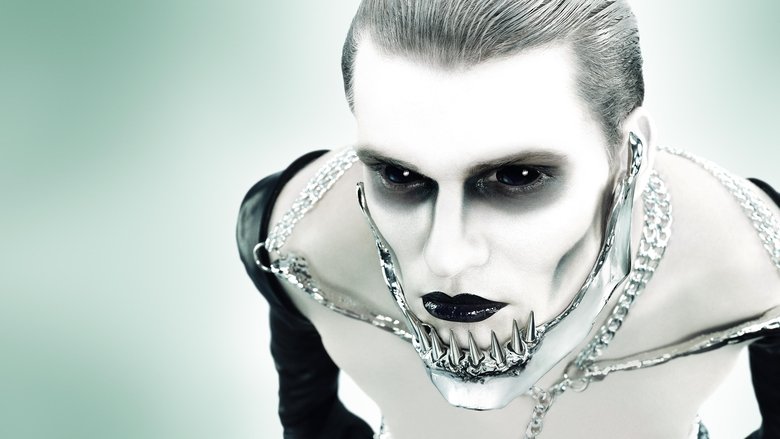
horror scene 3
The verdict: The evolution of horror is a double-edged sword. While we have gained unprecedented access to global stories and auteur-driven madness, we have also lost some of the 'event' quality that made horror a communal milestone. In 2026, the horror landscape is more vast, more varied, and more sophisticated than ever before, even if it requires a sharper eye to filter through the noise.
Ultimately, the future of the genre lies in its ability to adapt. As long as streamers continue to bet on original visions, horror will remain the most vital, dangerous, and essential component of modern entertainment. The screen is no longer just a window to a story; in the best cases, it has become a trap—and for the modern horror fan, that is exactly where we want to be.