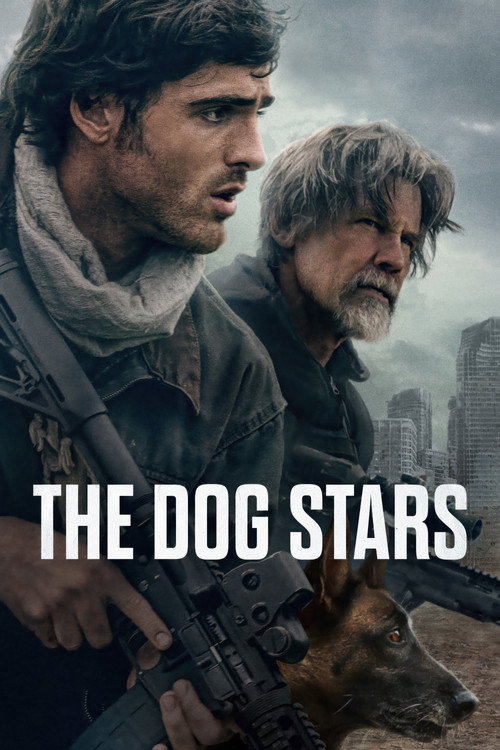
Ridley Scott is returning to the sparse, haunting landscapes of post-apocalyptic survival with his latest project, an adaptation of Peter Heller's acclaimed novel, The Dog Stars. As a master of atmosphere and human endurance, Scott promises to strip away the high-tech sheen of his previous space epics in favor of a raw, intimate look at civilization's final flickering embers.
This article covers the confirmed production details, the thematic shifts in Scott's career, and what fans can expect from this gritty survivalist narrative as the legendary director pivots from ancient empires to the end of the world.
The Premise of The Dog Stars
The story follows Hig, a survivor of a man-made pandemic that has wiped out nearly the entire human population. Residing in a small airport hangar with his dog, Jasper, and a gun-toting survivalist neighbor, Bangley, Hig lives a life of routine, patrol, and deep-seated mourning for a world that no longer exists.
What the novel captures is a profound sense of isolation balanced by a fragile flicker of hope. Unlike typical blockbuster post-apocalypses, the narrative focuses on the small, human moments of beauty found amidst the decay, setting the stage for what is expected to be a career-defining performance for the lead actor.
The Dog Stars is not about the end of the world; it is about how we continue to live when everything we know has been unmade.
Ridley Scott's Return to Sci-Fi
A departure from grandiosity: While Scott is known for the visual grandeur of Blade Runner and Prometheus, this project leans toward the minimalist dread he explored in his earlier work. It reflects his ongoing interest in the thin, permeable line between civilization and total breakdown.
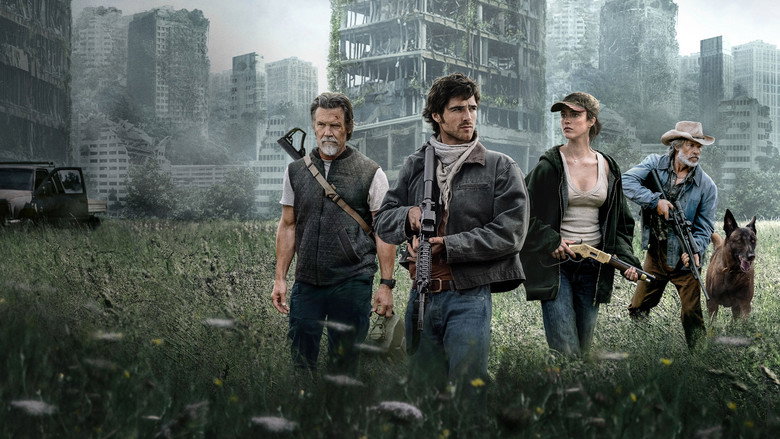
The Dog Stars scene 1
The visual language: Expect a shift toward stark, natural lighting and handheld cinematography. By focusing on the bond between a man and his dog in a desolate Colorado landscape, Scott aims to ground his science fiction in visceral, tactile reality rather than heavy CGI reliance.
What to Expect from the Adaptation
What worked in the source material: Heller’s prose relies on internal monologue and a unique, staccato rhythm that highlights the character’s post-trauma psychology. The script aims to translate this feeling of 'living in the now' to the screen, focusing on the character's sensory experiences of his environment.
The primary challenge: Adapting a novel that is so heavily rooted in the protagonist's internal emotional journey requires a delicate touch. The film must avoid the trap of becoming a standard 'men with guns' thriller, keeping the emotional core of Hig’s search for connection at the forefront.
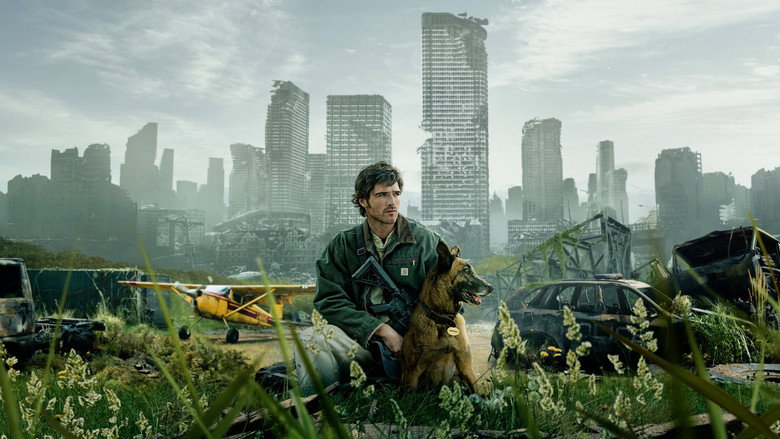
The Dog Stars scene 2
Ridley Scott’s eye for landscape has always been one of his greatest strengths, and here, the Colorado wilderness becomes a character unto itself.
What Fans Are Saying
The defenders: Fans of Heller's book argue that there is no director better suited to capture the loneliness of the high plains than Scott. They believe that his ability to build tension through silence will turn the book’s quieter moments into the most memorable scenes of the film.
The critics: Some skeptics worry that a high-profile director like Scott might 'Hollywood-ize' a story that thrives on its quiet, contemplative nature. There is a concern that adding unnecessary action beats could dilute the intimate, philosophical questions the story poses about human nature.
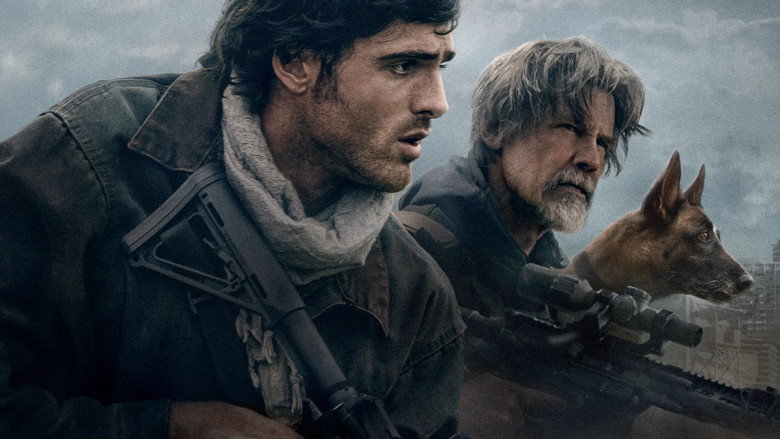
The Dog Stars scene 3
The middle: Many viewers are simply excited to see a major director tackle a 'small' sci-fi story. Even those hesitant about the pacing are eager to see how Scott visualizes a world that has been completely reclaimed by nature, trusting his eye for detail to create something visually singular.
The Verdict
The outlook for the film remains incredibly high, primarily because it represents a creative pivot for a director who has nothing left to prove. By choosing a story that prioritizes human connection over grand, world-saving spectacle, Scott is signaling a return to the character-driven roots of his best science fiction.
Final thoughts: Whether the film succeeds in capturing the poetic melancholy of the original text remains to be seen, but the sheer ambition of placing a small-scale story within the framework of a global catastrophe is exactly the kind of move that keeps Ridley Scott relevant. This is a story about the stubbornness of human hope, and in Scott's hands, it promises to be as haunting as it is beautiful.