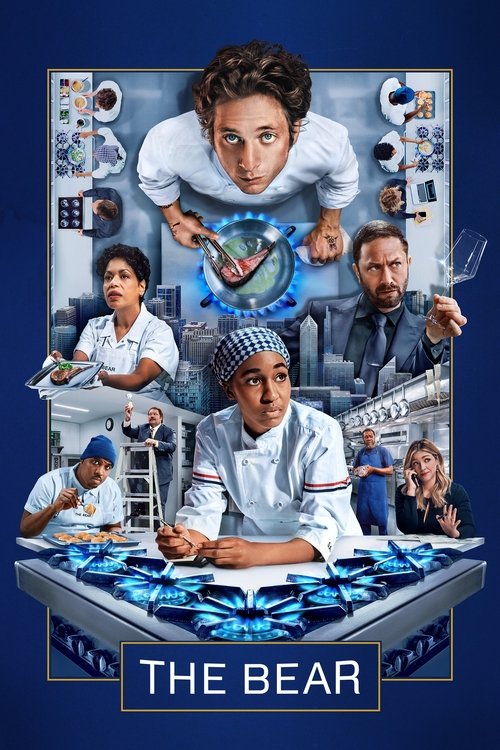
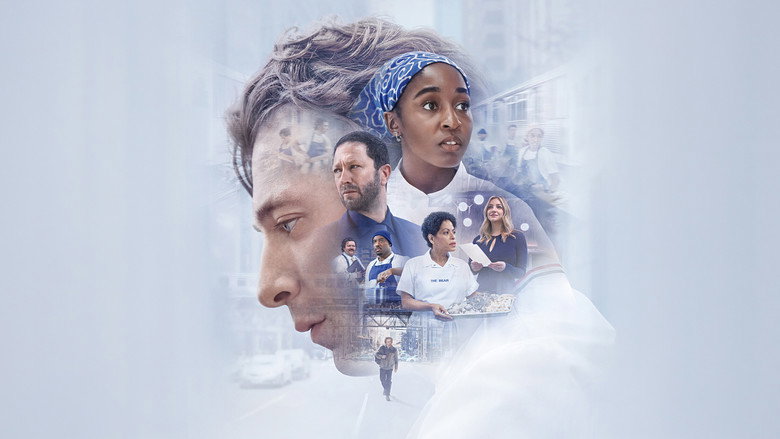
This article contains major spoilers for The Bear. Read only if you have already seen it.
In an era of bloated miniseries and algorithmic content, Christopher Storer’s The Bear stands as a masterclass in controlled chaos and emotional precision. It captures the frantic, sweat-soaked reality of professional kitchens while grounding every scream and plate-drop in the quiet, desperate humanity of its characters.
This analysis explores the show's unique visual language, its unparalleled character development, and why it remains a dominant cultural force in modern streaming television.
The Anatomy of Stress
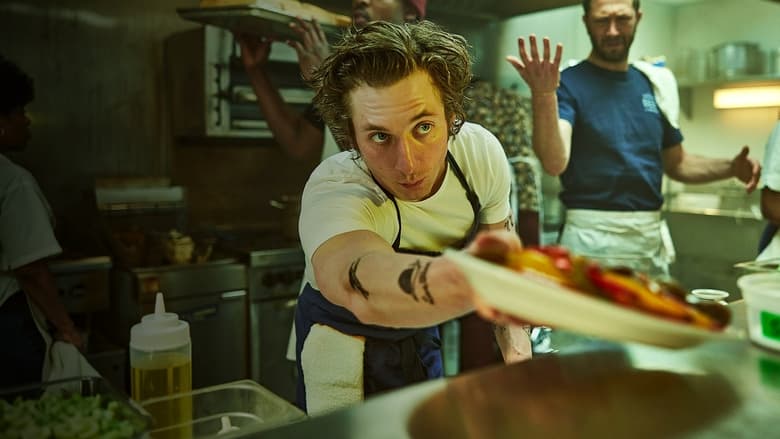
What worked: The show’s signature style relies on claustrophobic framing and a relentless, percussive editing pace that mimics the heartbeat of a high-end kitchen. By placing the viewer directly into the service line, the series transforms mundane tasks like prepping vegetables or polishing silverware into high-stakes dramatic sequences that rival any action thriller.
The impact: This creates a visceral experience where the audience feels the exhaustion and anxiety alongside Carmy, Sydney, and Richie. It is rare for a show to maintain such a high level of intensity without burning out its viewers, yet The Bear manages to pivot toward moments of profound stillness that make the surrounding chaos feel even more meaningful.
The Bear scene 1
The kitchen is not just a workplace; it is a pressure cooker that forces its inhabitants to confront their trauma or be consumed by it.
Character Growth as Narrative Engine
What worked: The evolution of Richie Berzimo remains one of the greatest arcs in television history. Transitioning from an abrasive, immovable traditionalist to a man who finds purpose in the details of service, his growth represents the show’s central thesis: that change is possible if you are willing to let go of your ego.
The verdict: The writing refuses to provide easy answers or clean resolutions, choosing instead to let characters fail, stumble, and occasionally find grace in the most unexpected places. This commitment to long-form storytelling ensures that the stakes remain high because the viewers are genuinely invested in the characters' survival.
People think they want perfection, but in a kitchen, they really just want to feel seen and taken care of in the midst of the noise.
The Brilliance of the 'Bottleneck' Episode
What worked: The decision to dedicate entire episodes to single, isolated character studies, such as the infamous Seven Fishes or the focused Faks-centric entries, allows the show to breathe. These moments strip away the technical artifice of the kitchen and demand that the actors carry the narrative through raw dialogue and performance alone.
The Bear scene 2
What did not work: Some viewers have argued that the show's relentless pacing can occasionally feel indulgent, particularly when the series leans too heavily into the 'tortured genius' tropes surrounding Carmy. While these moments are essential for his development, they sometimes risk overshadowing the equally compelling arcs of the ensemble cast.
The Cultural Impact and The Future
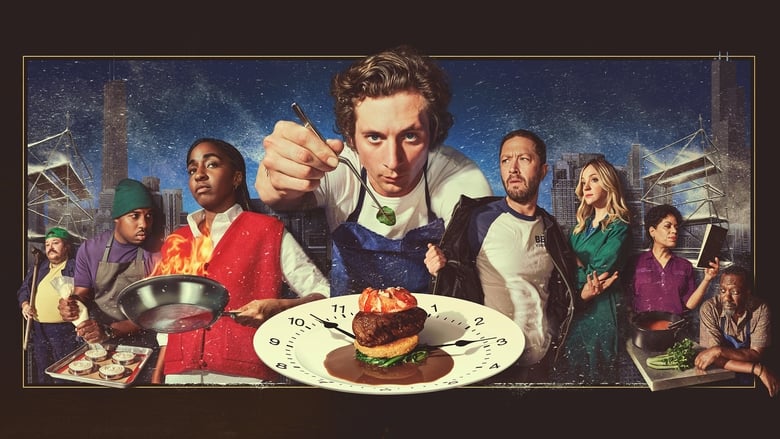
What fans are saying:The defenders: Viewers praise the show for its authentic depiction of hospitality work and its unflinching look at grief. The critics: Some suggest the show has become too 'prestige' for its own good, occasionally favoring style over the simpler, restaurant-focused narrative of the first season. The middle: Most agree that regardless of the season, the chemistry between the cast and the impeccable production design remains the gold standard for streaming.
The Bear scene 3
As the series moves forward, it faces the difficult task of balancing its runaway success with the intimate, grounded storytelling that made it a hit in the first place. Whether it focuses on the expansion of the business or the individual journeys of its leads, the show has already secured its place in the pantheon of great television dramas.
Final thoughts: The Bear is not just about cooking; it is about the cost of excellence and the necessity of support. It remains a giant of the streaming era because it asks a simple but difficult question: can we be better to each other while we are working to be the best in the world?