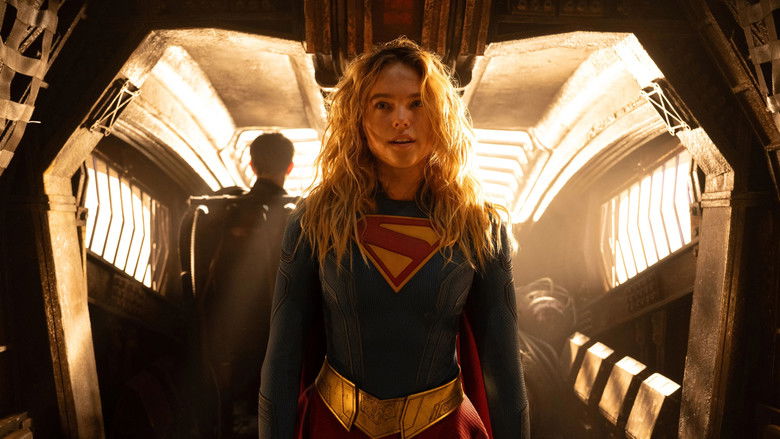
DC Studios' latest attempt to redefine its cinematic landscape arrives with the weight of massive expectations on the shoulders of Milly Alcock. As the first major solo outing for the Maid of Might in the modern era, the film attempts to pivot away from traditional origin tropes toward a more cosmic, character-driven narrative.
The film navigates a tricky balance between intimate character study and grand space opera, leading to a polarized reception that questions if the new DC Universe has truly found its footing.
A Bold Shift in Tone
Stepping away from the brightness of Metropolis, Supergirl: Woman of Tomorrow chooses to ground its narrative in the vastness of space. By adapting Tom King’s acclaimed limited series, the film leans heavily into the idea that Kara Zor-El is not just a secondary version of her cousin, but a being defined by trauma and a different kind of resilience.
What worked: The casting of Milly Alcock remains the film’s strongest asset. She portrays Kara with a weary, cynical edge that distinguishes her immediately from previous iterations of the character, providing a fresh perspective on what it means to be a survivor of a lost world.
The film isn't trying to be a traditional superhero movie; it's trying to be a space-faring western, and for the most part, that identity is its greatest strength.
The Narrative Balancing Act
While the film excels at building atmosphere, it occasionally trips over its own pacing. The transition from intense, personal dialogue to high-stakes set pieces often feels jarring, as if the movie is unsure whether it wants to be a gritty drama or a blockbuster crowd-pleaser.
Supergirl: Woman of Tomorrow scene 1
What did not work: The villainous arc feels undercooked. Despite the potential for a compelling antagonist, the stakes often feel detached from the emotional journey that Kara is undergoing, leading to a climax that feels somewhat inevitable rather than earned.
The Verdict on DC's New Direction
Ultimately, Supergirl: Woman of Tomorrow is a fascinating experiment that highlights both the potential and the growing pains of the revamped DC cinematic venture. It proves that the studio is willing to take risks with tone and character focus, even if the execution doesn't land every single beat.
Supergirl: Woman of Tomorrow scene 2
The verdict: If you are looking for a standard, high-octane caped-hero romp, this might leave you wanting. However, if you appreciate a character-first approach that prioritizes atmosphere and performance over explosive spectacle, there is plenty here to admire.
What Fans Are Saying
The conversation surrounding the film has been intense, mirroring the broader divide in comic book fandom. The defenders: Many fans are praising the film for its stylistic departure and visual fidelity to the comic book source material, noting that it finally gives Supergirl the gravitas she has long deserved.
The critics: Conversely, vocal detractors argue that the pacing is too deliberate and the absence of traditional Superman-style optimism makes the movie feel cold or inaccessible. The middle: Most viewers fall somewhere in the middle, acknowledging that while the film has undeniable flaws in structure, it is a brave step forward that justifies the existence of a standalone Supergirl franchise.
Supergirl: Woman of Tomorrow scene 3
Final Thoughts
Supergirl: Woman of Tomorrow serves as a litmus test for the future of the genre. By stripping away the comfort of the familiar and leaning into something more somber and introspective, the filmmakers have created a project that is impossible to ignore.
Whether it succeeds in your eyes will depend entirely on your expectations for the character. It is an imperfect, bold, and ultimately refreshing entry that suggests a future where DC is willing to let its heroes grow up in the most complicated ways possible.