After years of experimental spin-offs and divisive adaptations, the Resident Evil franchise is finally recalibrating its compass toward the atmospheric dread that defined its origins. With high-profile creative talent now steering the ship, fans are hopeful for a return to the terrifying roots of the survival horror titan.
This article examines the upcoming film projects, the potential for a return to Raccoon City, and why industry shifts suggest that the franchise is finally ready to embrace its horror DNA.
A Shift in Creative Strategy
The history of Resident Evil in cinema has been a rollercoaster of high-octane action and campy monster mashes. While the Anderson-Jovovich era defined the franchise's commercial viability for nearly two decades, audiences have long clamored for an adaptation that mirrors the claustrophobic tension of the source material. Recent industry trends suggest that studios are finally listening to the core demographic, moving away from glossy action spectacles and toward visceral, character-driven horror.
The industry landscape has changed significantly, with games like the Resident Evil 2 and 4 remakes setting a new gold standard for survival horror storytelling. Studios now recognize that the most valuable asset in the Capcom catalog is its atmosphere, not just its zombies. By prioritizing dread over mindless spectacle, the next wave of films aims to capture the same fear that gripped players in the 90s.
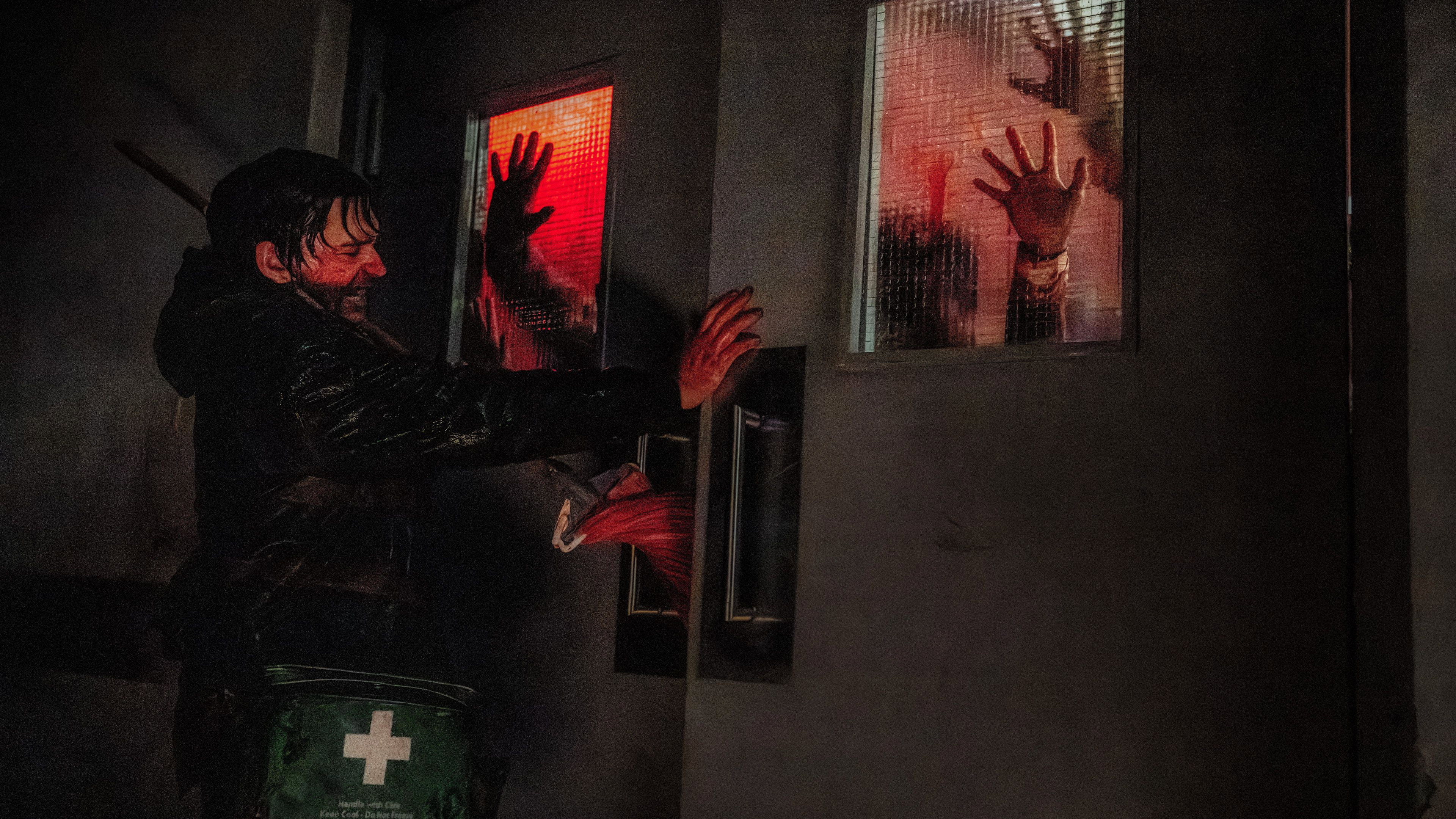
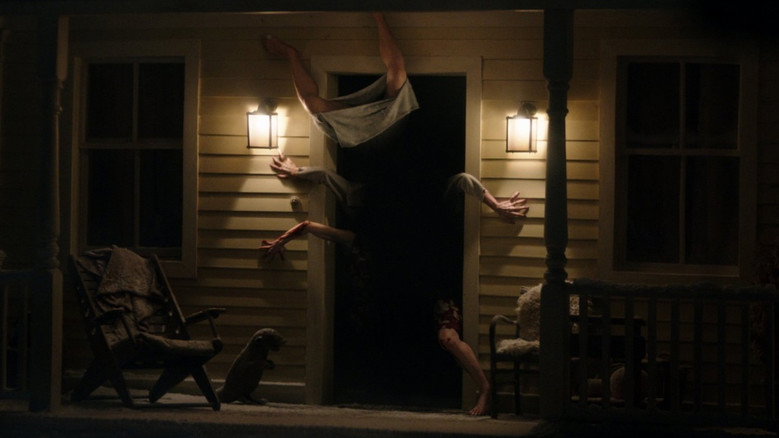
Resident Evil scene 1
The essence of Resident Evil isn't just the creatures; it is the feeling of being trapped in a place where your resources are dwindling and the shadows are hiding something lethal.
Zach Cregger and the New Vision
Perhaps the most exciting development is the involvement of director Zach Cregger, whose work on Barbarian demonstrated an uncanny ability to subvert genre tropes and maintain relentless tension. Fans of the games have been cautiously optimistic, noting that Cregger’s specific brand of unpredictable, terrifying filmmaking could be exactly what the series needs to shed its B-movie reputation.
What worked: The decision to hire a filmmaker known for grounded, high-concept horror suggests that the studio is looking for a genuine artistic voice rather than a hired gun. What did not work: Previous attempts often fell into the trap of over-explaining the lore, which effectively drained the mystery and fear from the premise. The verdict: If the upcoming project leans into the isolation and claustrophobia of the Spencer Mansion, it could finally deliver the definitive Resident Evil experience.
What Fans Are Saying
The community is currently split between those who want a faithful retelling of the classic games and those who are open to a new, terrifying interpretation of the lore. The defenders: Longtime supporters point to the success of modern horror films as proof that a slow-burn Resident Evil movie would be a box office smash. The critics: Skeptics remain wary, citing the long history of failed video game adaptations that ignore the source material for the sake of mass appeal. The middle: Many fans are simply waiting for an official trailer, hoping that the aesthetic, at the very least, captures the iconic blue and green hues of the early games.
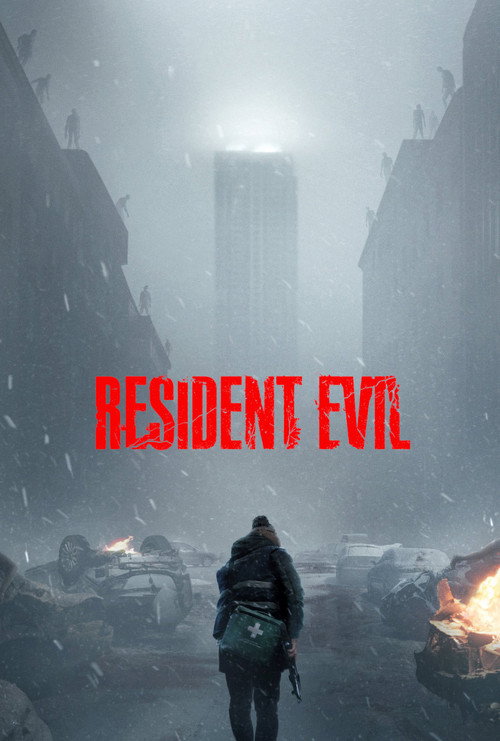
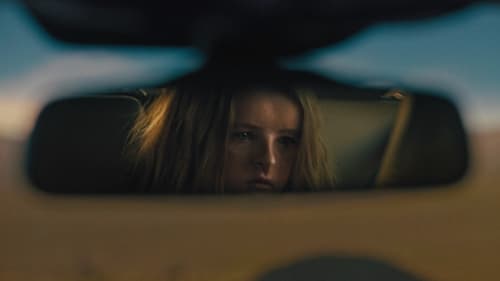
Resident Evil scene 2
Horror is subjective, but the feeling of walking down a dark hallway in the Spencer Mansion is a universal language that any adaptation must master.
The Future of the Umbrella Corporation
Beyond the immediate film projects, there is a clear appetite for expanding the franchise's world-building in a more cohesive manner. Whether through a shared cinematic universe or standalone anthologies, the lore of the Umbrella Corporation offers endless potential for terror. Future entries will likely lean into the scientific horror of the T-Virus, emphasizing the body horror and psychological toll that the viral outbreak takes on its human subjects.
Looking ahead, the goal is to establish a tone that feels consistent across all platforms. By aligning the film aesthetic with the modern survival horror gaming experience, the studio can create a unified identity that feels both fresh and nostalgic. It is a delicate balance, but the potential for a massive, multi-platform horror resurgence has never been higher.
Resident Evil scene 3
Conclusion
The future of Resident Evil hinges on whether filmmakers can respect the terror that made the franchise a household name. By stripping away the bloated action sequences and focusing on the primal fear of the unknown, the series is positioned to reclaim its throne as the king of survival horror.
Ultimately, we are entering a new era where horror is treated with the same prestige as any other genre. With the right vision and a commitment to the source material's heart, Resident Evil may soon find itself scaring an entirely new generation of moviegoers.