This article contains major spoilers for One Year to Live, Buy a Man. Read only if you have already seen it.
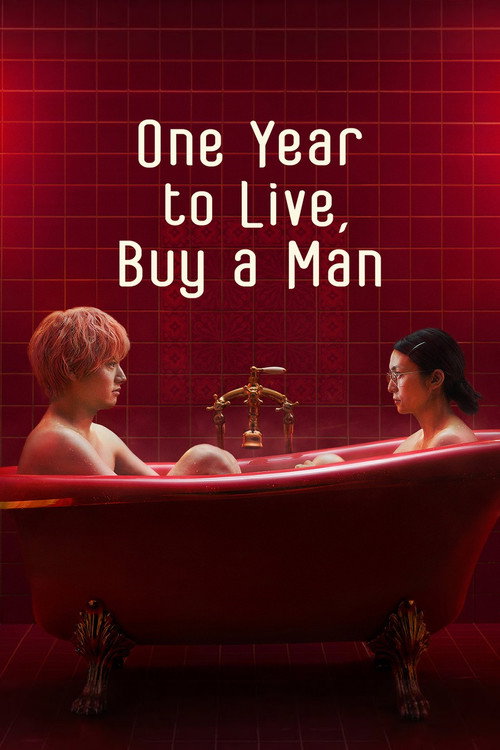
Yui Katakura has spent her entire adult life treating frugality as a religion, viewing romance and marriage as nothing more than poor financial investments. When a routine medical screening reveals she has only one year left to live, she decides to abandon her savings and purchase the companionship of a struggling nightclub host named Sena.
This article explores the emotional core of the film, the complexities of its central contract, and the truth behind its divisive ending that has captivated audiences worldwide.
The Premise of a Calculated Life
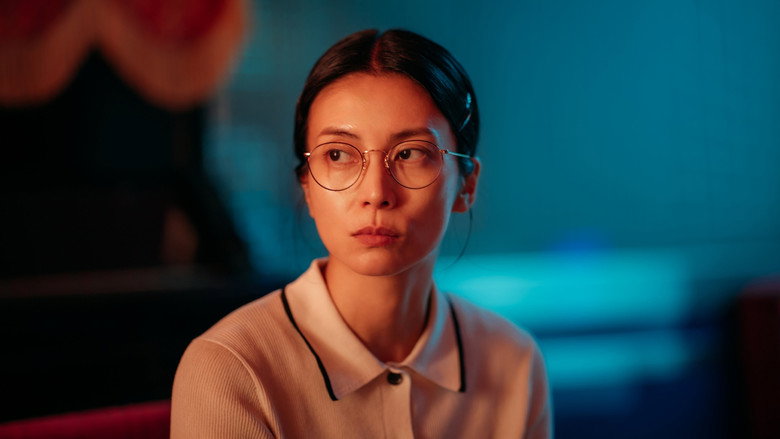
Yui Katakura is a 40-year-old woman who has meticulously built her existence around the singular goal of financial security. By avoiding the perceived costs of relationships and personal indulgence, she has created a life that is safe, predictable, and profoundly lonely. The sudden cancer diagnosis acts as a catalyst, shattering her carefully constructed walls and forcing her to confront the reality that her nest egg will never be spent.
When she encounters Sena, a pink-haired host desperate for money to cover his father's medical bills, she sees an opportunity to finally experience the extravagance she has denied herself. The resulting contract, valued at 720,000 yen, is not merely a transaction for services. It is a desperate attempt to fill the void of a life lived in isolation, turning a financial arrangement into a journey of self-discovery.
What she bought for 720,000 yen was not Sena, but time to do something with someone else.
What Worked and What Did Not
What worked: The chemistry between Ko Shibasaki and Eiji Akaso is the undeniable anchor of the film. Their ability to portray the slow, painful erosion of their respective defenses makes the transition from a transactional relationship to genuine intimacy feel earned rather than forced. Director Hiroki Kazama excels at capturing the quiet, mundane moments of joy, such as visiting a game center or shopping in a department store basement, which highlight the beauty of a life finally being lived.
One Year to Live, Buy a Man scene 1
What did not work: Some viewers have expressed frustration with the film's pacing regarding the medical aspects of the story. The depiction of Yui's illness is intentionally light, which serves the director's vision of a life-affirming narrative, but it leaves some audience members feeling that the gravity of her condition is glossed over. The reliance on narration to handle the surgery and recovery phases can feel like a shortcut in an otherwise deeply personal character study.
The verdict: This film is a poignant, if occasionally uneven, meditation on mortality. It succeeds because it prioritizes the emotional evolution of its leads over the mechanics of the plot, offering a refreshing take on the romance genre that avoids traditional tear-jerker tropes.
What Fans Are Saying
The defenders: Many fans praise the film for its refusal to lean into melodrama. They argue that the lightness of the tone is a deliberate choice to emphasize that Yui is learning to live, not just learning to die. For these viewers, the ending is a triumphant subversion of expectations that rewards the characters for their vulnerability.
One Year to Live, Buy a Man scene 2
The critics: Skeptics point to the moral ambiguity of the central premise. The idea of buying a person, even with consent, remains a point of contention. Some critics argue that the film fails to fully address the power imbalance inherent in the contract, leaving the audience to grapple with a relationship that feels fundamentally transactional at its core.
The middle: A significant portion of the audience appreciates the film as a solid, well-acted drama that hits the right emotional notes. They acknowledge the flaws in the script but find the performances and the central message about human connection to be enough to justify the runtime.
Changing people with money is violence.
The Ending Explained
The conclusion of the film provides a definitive answer to the central question of Yui's survival. Despite the initial prognosis, Yui undergoes treatment and survives. Three years after the diagnosis, she is shown to be in remission, living a life that has expanded far beyond her original, solitary plans. She and Sena remain a couple, having moved away from the transactional nature of their meeting into a genuine partnership.
One Year to Live, Buy a Man scene 3
The divorce papers, which were signed early in their arrangement, remain in their home as a symbol of their choice. They are not bound by the contract anymore, but by the daily decision to remain together. The final imagery of the quilt Yui is sewing serves as a powerful metaphor: she is no longer sewing for herself, but for a family, signaling that she has finally allowed herself to be part of something larger than her own bank account.
Conclusion
One Year to Live, Buy a Man is a story about the courage required to let others into our lives. It challenges the notion that we must be self-sufficient to be whole, suggesting instead that our greatest investments are the people we choose to share our time with. By the time the credits roll, it is clear that Yui did not just buy a man, she bought herself a future.
Ultimately, the film serves as a reminder that life is not measured by what we save, but by the connections we forge when we finally stop counting the cost.