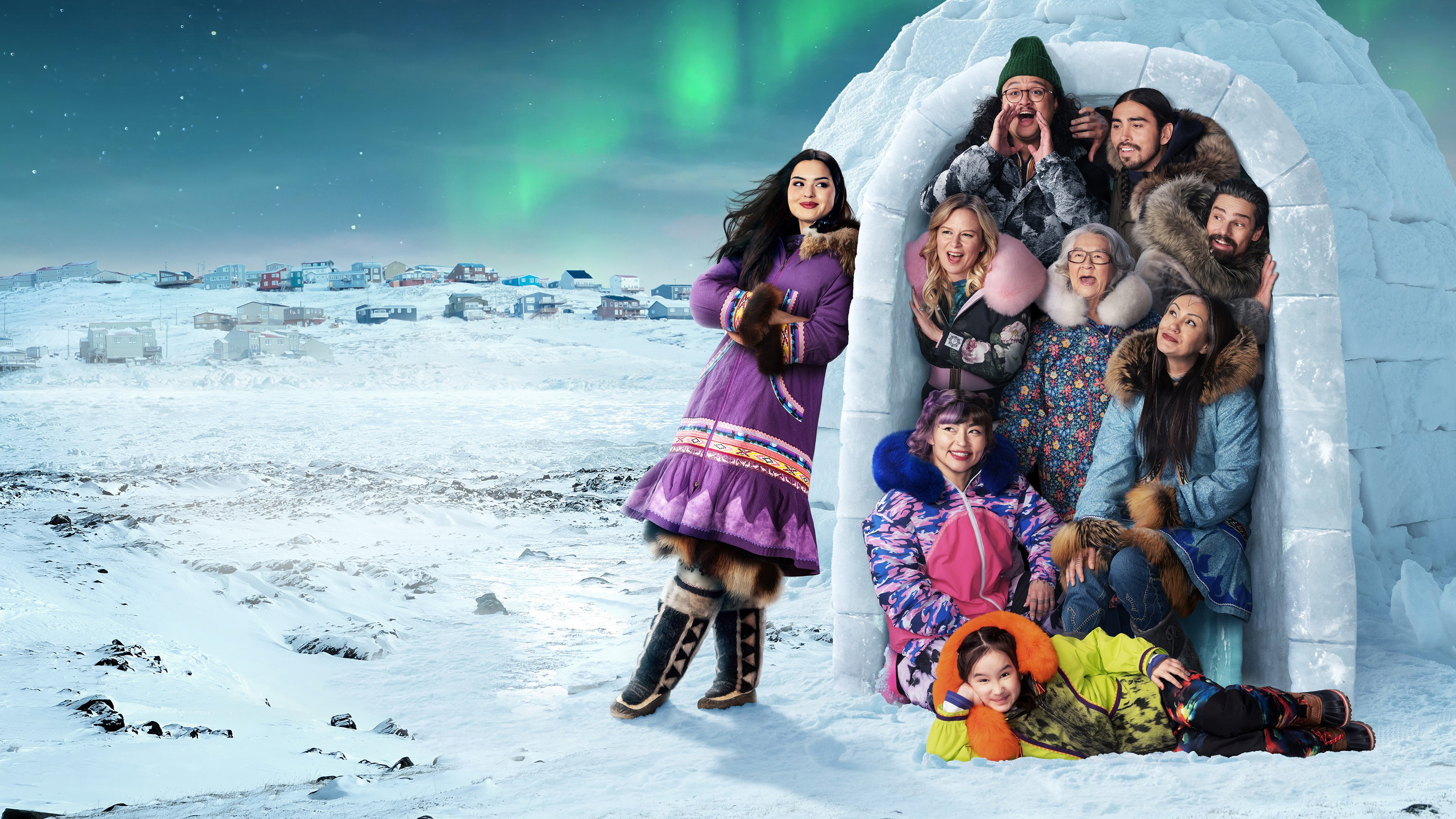
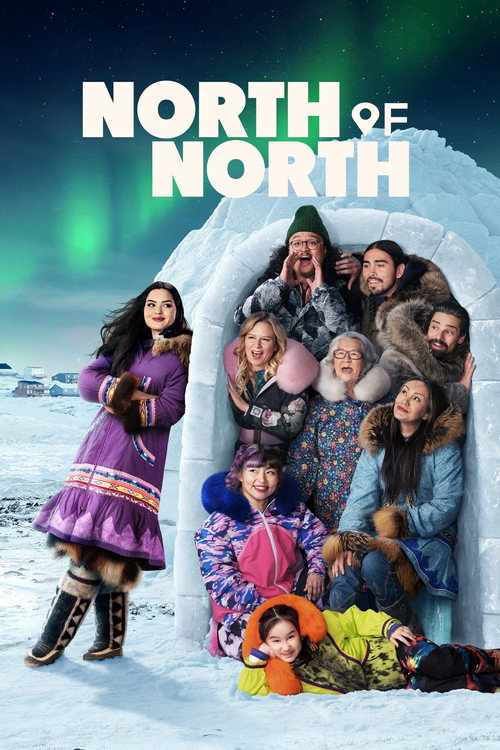
In the fictional town of Ice Cove, Nunavut, life is rarely simple, but it is always vibrant. Siaja, a young Inuk mother, continues her quest to build a life on her own terms, navigating the icy landscape of the Arctic with a mix of irrepressible optimism and chaotic decision-making.
The second season of this critically acclaimed Arctic comedy expands on the show's unique visual language and emotional depth. We explore why this Netflix original series has captured hearts, from its authentic cultural storytelling to the sparkling performances that define its sophomore outing.
A Fresh Perspective on Arctic Life
What sets the show apart: North of North avoids the common tropes of Arctic-set television, which often lean into dark, brooding mysteries. Instead, creators Stacey Aglok MacDonald and Alethea Arnaquq-Baril deliver a warm, character-driven sitcom that finds humor and pathos in the daily realities of life in Nunavut. By grounding the narrative in the specific customs and traditions of the Inuit community, the series offers a rare, authentic look at a region that is frequently misunderstood by mainstream media.
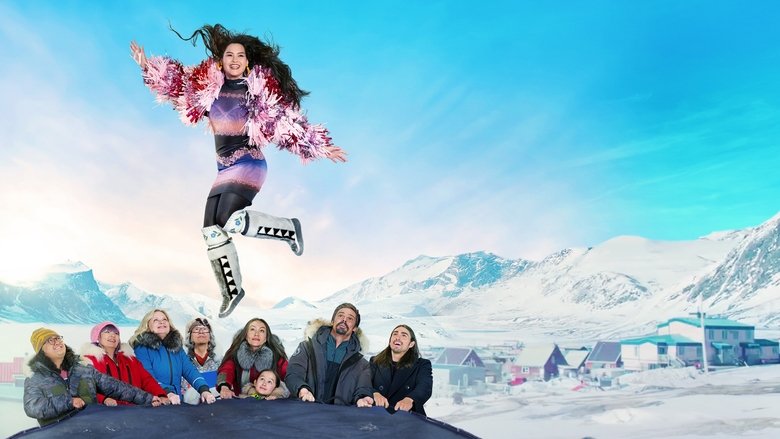
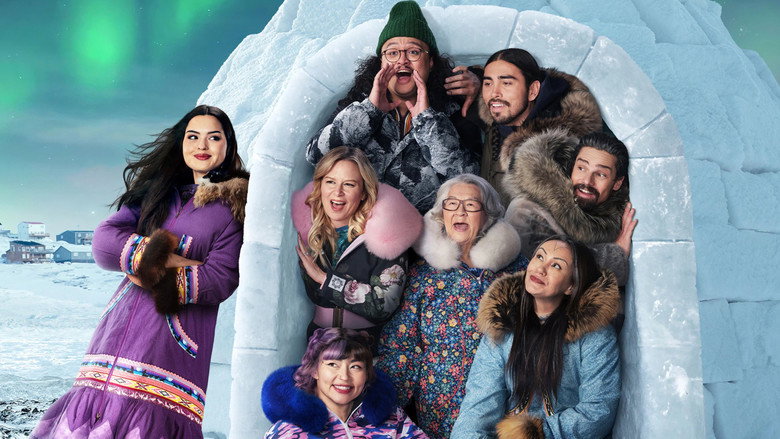
The visual storytelling: The series utilizes a bold color palette that stands out against the stark, polar white backdrop of the tundra. Costume designer Alexandra Reda plays a pivotal role here, using vibrant purples, reds, and oranges to reflect the emotional states of the characters. This visual flair, combined with the authentic location shooting in Iqaluit, creates an immersive experience that feels both grounded and magical.
North of North is an ideal comfort watch, layered with quirky small-town residents whose stories and shenanigans are skillfully woven together with their Inuit history and culture.
Siaja’s Continued Evolution
The central journey: Anna Lambe returns as Siaja, a protagonist whose winning sincerity and knack for getting into trouble make her deeply relatable. In season two, Siaja faces the challenge of balancing her personal desires with the expectations of her community. Whether she is accidentally poisoning elders during a community outreach program or struggling to secure supplies for a surprise party, her journey is one of growth, independence, and the pursuit of a life she can be proud of.
North of North scene 1
The supporting cast: The dynamic between Siaja and her mother, Neevee, played by Maika Harper, provides the emotional backbone of the season. Neevee’s rough exterior hides deep-seated trauma and a complex history, and her arc—which includes reconnecting with her past and expanding her business—adds a layer of gravity to the show’s comedic structure. The return of fan-favorite characters like Millie and Colin ensures that the series maintains its signature wit and crackling one-liners.
Siaja’s world just explodes in every avenue, her family, her work, her love life, it’s an exciting rollercoaster.
What Fans and Critics Are Saying
The defenders: Supporters of the show praise its ability to balance lighthearted sitcom antics with meaningful commentary on issues like colonialism and the residential school system. Fans appreciate that the show does not hit the audience over the head with a message, instead allowing the characters' lived experiences to speak for themselves.
The critics: Critics have been nearly unanimous in their praise, with the second season maintaining a perfect score on review aggregators. They highlight the show's tonal self-assurance and the way it manages to be both a traditional sitcom and a deeply moving exploration of community resilience. The consensus is that the show has only become more sure of itself in its second outing.
North of North scene 2
The middle: While some viewers might find the slow-burn romantic subplots between characters like Siaja and Kuuk or Neevee and Alistair to be a bit frustrating, most agree that these threads are essential to the show's charm. The pacing is deliberate, allowing the audience to fully invest in the emotional stakes of the characters' lives.
The Verdict
What worked: The series excels at blending the mundane with the profound. The writing remains sharp, and the performances are consistently strong, with Anna Lambe anchoring the show with a performance that is both joyous and vulnerable. The decision to lean into the specificities of Inuit culture, rather than diluting them for a broader audience, is the show's greatest strength.
North of North scene 3
What did not work: The show’s reliance on traditional sitcom structures can occasionally feel predictable, though the unique setting and cultural context prevent it from ever feeling stale. Some viewers may find the episodic nature of the conflicts to be a departure from more serialized dramas, but this is a stylistic choice that fits the show's warm, comforting tone.
The verdict: North of North is a rare gem in the current television landscape. It is a show that manages to be both entertaining and enlightening, providing a window into a world that is as complex as it is beautiful. Whether you are drawn to the humor, the fashion, or the heartfelt character arcs, this is a series that demands your attention.
Conclusion
As the winter settles over Ice Cove, the residents of this fictional town remind us that the most important thing we can do is be there for one another. Through its blend of humor, tradition, and raw human emotion, North of North proves that even in the coldest environments, warmth can be found in the connections we forge. It is a testament to the power of authentic storytelling and a reminder that the best stories are often the ones that feel the most true to the people who live them.