This article contains major spoilers for Mononoke the Movie: Chapter II. Read only if you have already seen it.
The Medicine Seller’s latest journey reaches a fever pitch in Chapter II, where the convergence of past sins and supernatural vengeance threatens to tear the Ooku’s reality asunder. As the smoke clears from the final confrontation, the film leaves viewers with more questions than answers regarding the nature of the entity he hunts.
This breakdown explores the true identity of the central Mononoke, the sacrificial nature of the finale, and what the cryptic closing moments mean for the Medicine Seller’s path forward in this visually striking cinematic continuation.
The Weight of Unspoken Sins
The background of the conflict: The second chapter shifts from mystery to visceral horror, focusing on the accumulation of collective suffering within the walls of the Ooku. As the Medicine Seller meticulously peels back the layers of deception, it becomes clear that the Mononoke is not merely a creature of malice but a manifestation of the suppressed anger of those discarded by the shogunate.
Why the setting matters: By trapping the characters in a space where political ambition and personal desires intersect, the film highlights how the stifling environment of the inner palace serves as a breeding ground for the supernatural. The Medicine Seller acts not as a hero, but as a forensic observer tasked with forcing these truths into the light.
The Medicine Seller is a blade that cuts through reality, yet he never once pretends to be human. He is simply the inevitable consequence of a world refusing to look in the mirror.
Unmasking the Ashes of Rage
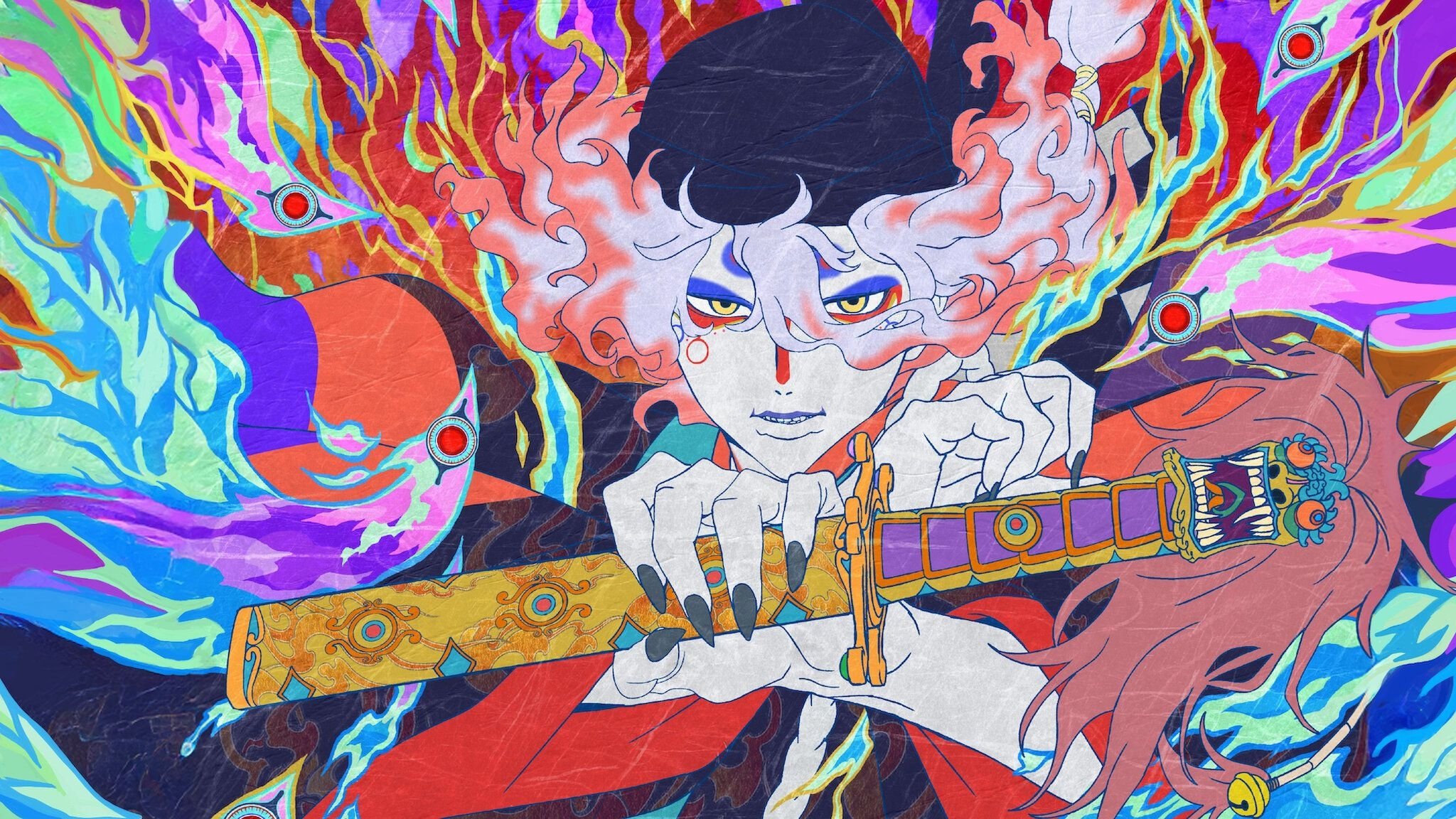
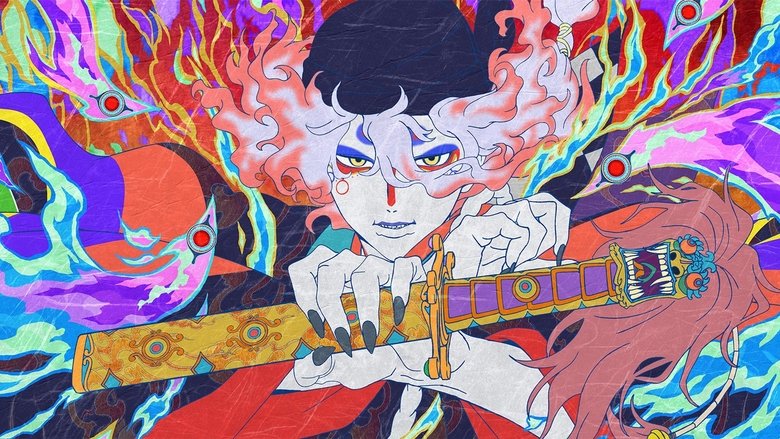
The revelation of the Mononoke: In the final act, the entity reveals its true form—a tapestry of human resentment woven from years of silent gaslighting and systemic abuse. The 'Ashes of Rage' refer to the remnants of individuals who were burned by the machinery of power and left to haunt the living as shadows.
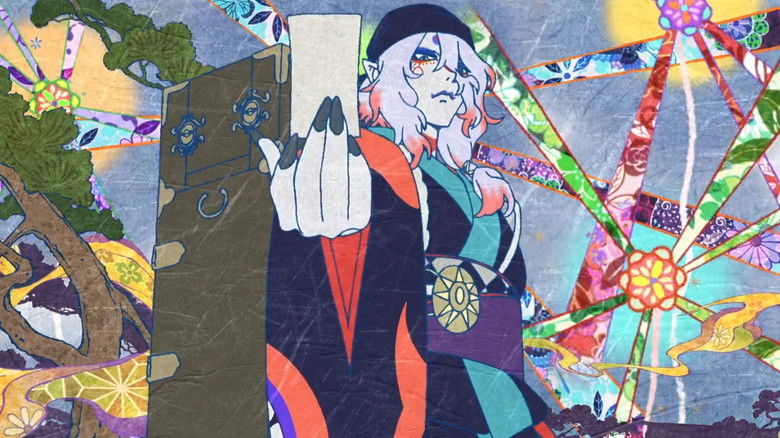
Mononoke the Movie: Chapter II scene 1
The confrontation: The Medicine Seller is forced to invoke his ritual, but for the first time, the outcome feels precarious. The Mononoke does not simply fight back; it attempts to assimilate the Medicine Seller, challenging his detached philosophy by forcing him to witness the agonizing memories that fueled its formation.
The Verdict on the Climax
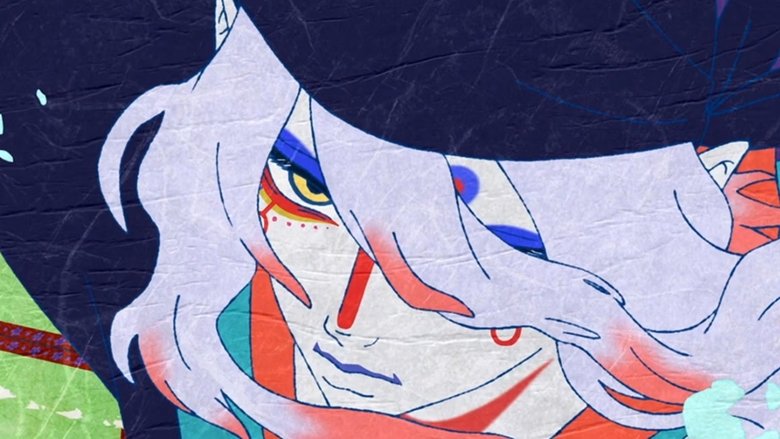
What worked: The animation transitions during the final ritual are nothing short of hypnotic, utilizing bold color palettes and abstract geometry to convey a sense of divine intervention. It effectively communicates that the Medicine Seller is engaging with forces that transcend physical combat.
What did not work: Some viewers may find the pacing in the final ten minutes jarring as it moves from methodical dialogue to a rapid-fire montage of existential dread. The suddenness of the shift can distract from the thematic weight the film spent two hours building.
Mononoke the Movie: Chapter II scene 2
The verdict: Ultimately, the film succeeds because it leans into the weird, unsettling nature of its source material while offering a conclusion that feels earned through suffering rather than violence.
The screen explodes in a kaleidoscope of grief. It is the most beautiful, terrifying thing the franchise has ever produced.
What Fans Are Saying
The defenders: Fans of the original series are praising the movie for maintaining its artistic integrity. They argue that the complex, non-linear ending is a necessary evolution for a show that has always prioritized mood and philosophy over traditional heroics.
The critics: Conversely, some critics feel the narrative was too esoteric. They argue that the film demands too much prior knowledge of Japanese folklore and the specific stylistic choices of Kenji Nakamura, potentially alienating newcomers.
Mononoke the Movie: Chapter II scene 3
The middle: Most audience members sit in the middle, appreciative of the visual artistry but admitting that the plot requires at least two viewings to fully comprehend the motivations behind the antagonist's final actions.
The Path Forward for the Medicine Seller
Where we go from here: The ending leaves the Medicine Seller in an altered state. Having faced the 'Ashes of Rage,' he emerges not as a changed man, but as a man who has recognized the limits of his own detachment. The final frames suggest that the world is growing increasingly hostile to those who carry the burden of truth.
Final reflection: This installment is a haunting reminder that in the world of Mononoke, the monsters are rarely the ones with fangs or claws. They are the ones we create when we choose to ignore the suffering of others. The Medicine Seller remains our only witness, wandering through a landscape that is slowly burning down.