This article contains major spoilers for Moana. Read only if you have already seen it.
When Disney brought the beloved animated sensation to the live-action realm, fans were bracing for impact—would the climactic confrontation with Te Kā remain identical, or would the studio chart a new course for Motunui's wayfinder? Bringing a 2D masterpiece into a photorealistic space requires more than just translating scenes; it requires capturing the spirit of the ocean's call while grounding the stakes in a tangible, visceral reality.
The finale delivers a stunning practical-effects spectacle, a more nuanced take on Te Fiti's restoration, and a transformative journey for Moana that expands on her original emotional arc. Here is how the live-action conclusion challenges, mirrors, and ultimately evolves the legendary tale of the demigod and the voyager.
The Evolution of the Climax
The core narrative of the live-action Moana remains faithful to the 2016 original, centered on the return of the heart to the goddess Te Fiti. However, the pacing of the final act takes a departure, focusing less on the frantic action of the animated boat-chase and more on the psychological connection between Moana and the lava monster. The live-action iteration utilizes shadow and light to emphasize the pain inherent in Te Kā’s form, making the final confrontation feel less like a boss fight and more like an act of profound empathy.
What worked: The decision to lean into the tactile nature of the ocean elements adds weight to the stakes. By grounding Moana’s final approach in a more visceral performance, the film achieves a level of vulnerability that animation occasionally obscures. The verdict: While purists might miss the frenetic energy of the original, the live-action approach succeeds in making the resolution feel earned through character growth rather than purely spectacle.
The ocean does not choose simply by chance; it chooses because it sees the capacity for change in those who have forgotten their way.
Te Fiti and the Restoration
In the original film, the restoration of Te Fiti is a radiant, sweeping moment of natural reclamation. The live-action version expands this by focusing on the lingering physical toll on Moana. Instead of an immediate recovery, we see a more prolonged transition where the environment itself breathes in response to the heart being placed. The director utilizes wide-angle landscape shots to frame Moana as a small figure in a vast, healing world, emphasizing her role as an instrument rather than a conqueror.
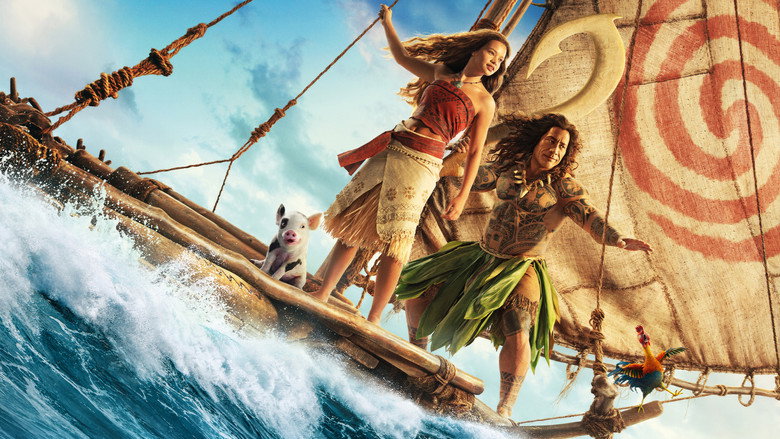
Moana scene 1
What did not work: Some viewers may find the slower pacing during the final reveal to be a departure from the high-octane tempo of modern live-action adaptations. The focus on atmospheric building rather than explosive payoff might leave some wanting a bit more intensity in the visual transition from magma to greenery.
The Legacy of Maui
Maui’s arc is subtly tweaked in the finale, positioning him not just as a helper, but as a repentant figure seeking true redemption. His final stand against the lava monster serves a dual purpose: it allows him to prove his worth as a hero to himself, not just to the villagers of Motunui. This shift provides a stronger thematic conclusion for his character, reinforcing the message that his identity is not tied to his magical hook but to his capacity for sacrifice.
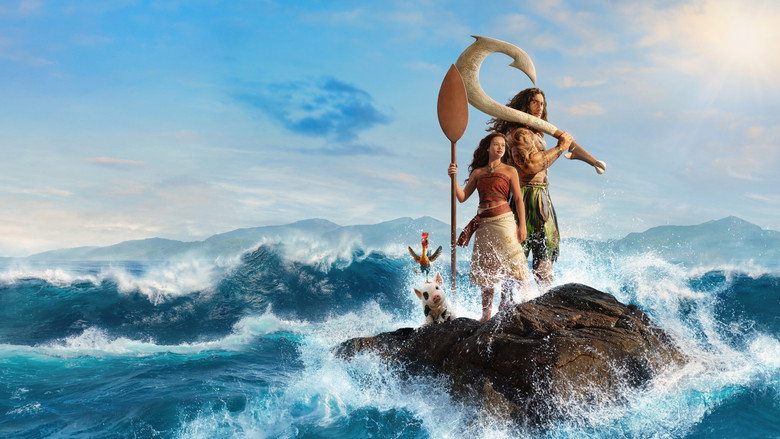
Moana scene 2
True strength is not measured by the tools you carry or the legends you write, but by the weight of the burdens you choose to carry for others.
What Fans Are Saying
The defenders: Many fans argue that the live-action version fixes the 'rushed' feeling of the original climax, giving Moana more time to process the weight of her mission. The visual fidelity of the final restoration has been praised as one of the most beautiful sequences in modern Disney live-action.
The critics: Conversely, some long-time fans feel the change in tone diminishes the iconic 'I am Moana' sequence. The criticism often centers on the pacing, with some suggesting that the emotional punch of the original song was slightly muted by the changes in the final act’s structure.
The middle: A significant portion of the audience appreciates that the film didn’t attempt to carbon-copy every beat of the original. They argue that as a new interpretation of the myth, the changes in the ending feel like a natural extension of the story’s core themes rather than a betrayal of the source material.
Moana scene 3
Reflections on the Voyage
Ultimately, the finale of the live-action Moana is a celebration of heritage and individual destiny. By refining the climax to emphasize emotional resonance over pure action, the film carves out its own identity while maintaining the heartbeat of the original. It serves as a reminder that stories of this magnitude are meant to evolve as they are passed down through new media and new perspectives.
The enduring power of Moana lies in her ability to bridge the gap between tradition and the unknown. Whether in animation or live-action, the message remains clear: the ocean will always be waiting for those who have the courage to set sail. Ultimately, this new finale cements the legend for a new generation while honoring the foundation laid by its predecessor.
Written by StreamRoulette Editorial
🎲
Not Sure What to Watch Next?
StreamRoulette picks your next film in seconds — based on mood, genre, or platform.