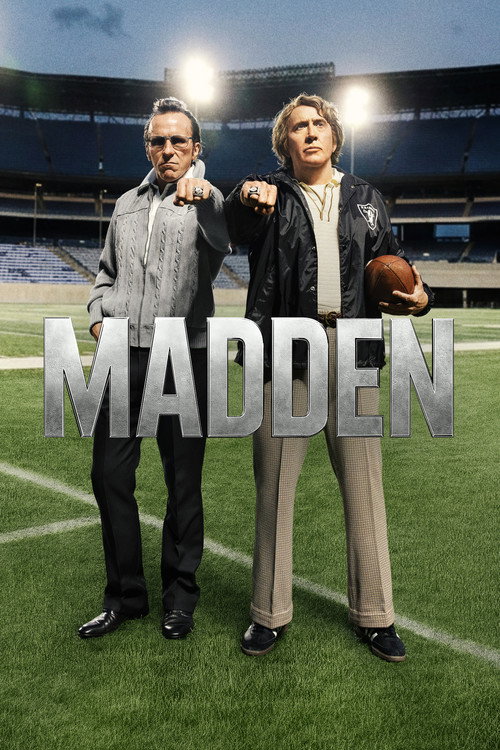
The most influential sports simulation in history began not in a high-tech laboratory, but during a long, rattling train ride across the Rocky Mountains. In 1984, Electronic Arts founder Trip Hawkins sat down with legendary coach John Madden to pitch a vision for a computer game that would eventually redefine how fans interact with the NFL.
This is the story of how John Madden’s insistence on 11-on-11 realism transformed a niche project into a multi-billion dollar cultural institution, overcoming legal battles, technical limitations, and fierce competition to become the definitive gridiron experience.
The Amtrak Genesis
The origins of the Madden franchise are rooted in the stubbornness of its namesake. When Trip Hawkins and developer Joe Ybarra met with John Madden in 1984, they were looking for a consultant to lend credibility to a computer football game. Hawkins, a fan of tabletop simulations like Strat-O-Matic, envisioned a game that could fit the technical constraints of the era, which meant fewer players on the field. Madden, however, refused to compromise on the integrity of the sport.
The 11-on-11 mandate became the defining characteristic of the series. Madden famously told the developers that if the game did not feature 22 players on the screen, it was not real football. This demand forced the development team into years of technical struggle, as the hardware of the time, specifically the Apple II, was not designed to handle such complex processing. What began as a simple coaching tool for Madden evolved into a grueling three-year development cycle that nearly bankrupted the project's momentum.
If it is not 11-on-11, it is not real football. John Madden's refusal to accept a stripped-down version of the sport forced the industry to innovate.
The Struggle for Realism
The first iteration, released in 1988 as John Madden Football for the Apple II, was a cerebral, strategy-heavy experience that prioritized playbooks over arcade-style action. While it lacked the flash of later titles, it established the foundation for the franchise. The transition to the Sega Genesis in 1990 proved to be the turning point, as the console's hardware allowed for a faster, more fluid experience that captured the imagination of a wider audience.
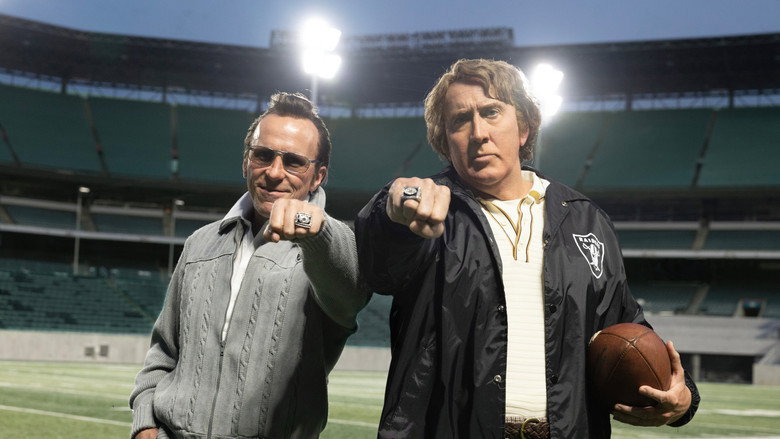
Madden scene 1
The rivalry with Joe Montana Football defined the early 1990s. Sega, seeking a first-party title, famously played both sides of the fence by commissioning EA to develop a game for their console while simultaneously holding the rights to the Joe Montana brand. EA navigated this by creating a superior Madden experience while delivering a intentionally bare-bones version of the Montana game, effectively securing their dominance in the simulation market.
Licensing and the Path to Monopoly
The evolution of the franchise accelerated in 1993 when the game was rebranded as Madden NFL. This shift marked the beginning of the pursuit of total authenticity. By securing the official NFL license, EA was able to include real teams and stadiums, followed shortly by the NFL Players Association license, which allowed for the inclusion of real player names. This transition turned the game from a generic simulation into a living, breathing extension of the professional league.
The exclusive licensing deal signed in 2005 remains the most controversial chapter in the franchise's history. By securing the sole rights to NFL teams and players, EA effectively eliminated all competition. While this move solidified the brand's status as the only option for NFL fans, it also sparked ongoing debates about the lack of incentive for innovation in a market where the developer faces no direct pressure from rival titles.
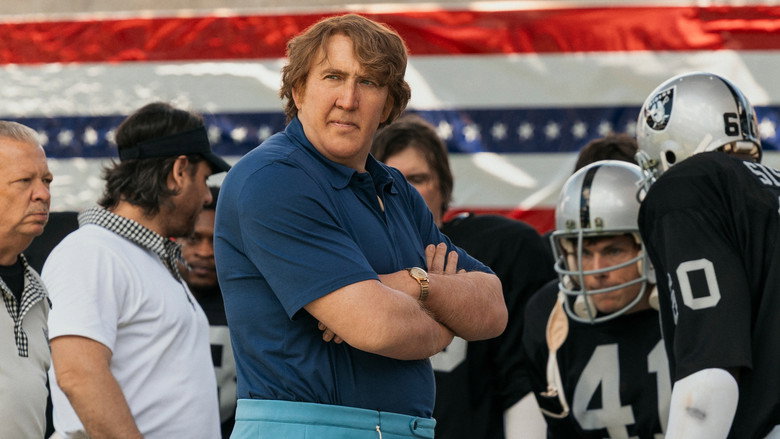
Madden scene 2
The transition to the 32-bit era demonstrated how Madden could push innovation in the industry, even when it was not on top.
What Fans Are Saying
The defenders: Many long-time players argue that the franchise remains the gold standard for football strategy, pointing to the depth of franchise modes and the sheer scale of the simulation as evidence of its continued relevance. They view the game as an essential annual ritual that connects fans to the current NFL season.
The critics: Detractors often focus on the stagnation of gameplay mechanics and the heavy emphasis on microtransactions within the Ultimate Team mode. Critics frequently argue that the lack of competition has led to a product that relies more on roster updates than meaningful technological leaps.
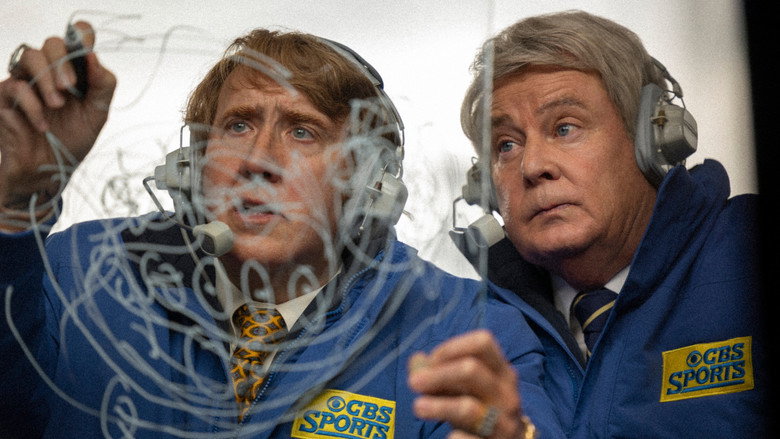
Madden scene 3
The middle: Many players occupy a space of cautious engagement, acknowledging the game's flaws while continuing to purchase it because it remains the only way to play as their favorite NFL teams. They often express a desire for a more robust, simulation-focused experience that prioritizes depth over monetization.
The Legacy of the Great Man
The franchise has grown from a small team of developers into a massive operation involving hundreds of staff members. Despite the corporate expansion, the core of the game remains tied to the vision established on that train ride in 1984. John Madden’s involvement, which included years of recording commentary and providing tactical insights, ensured that the game never lost its connection to the actual coaching philosophy of the NFL.
The verdict: Madden NFL is more than just a video game. It is a cultural phenomenon that has shaped the way millions of people understand the complexities of professional football. While the franchise faces valid criticism regarding its monopoly and annual release cycle, its historical impact on the gaming industry is undeniable. The game that started as a coach's dream of 11-on-11 realism remains the undisputed king of the digital gridiron.