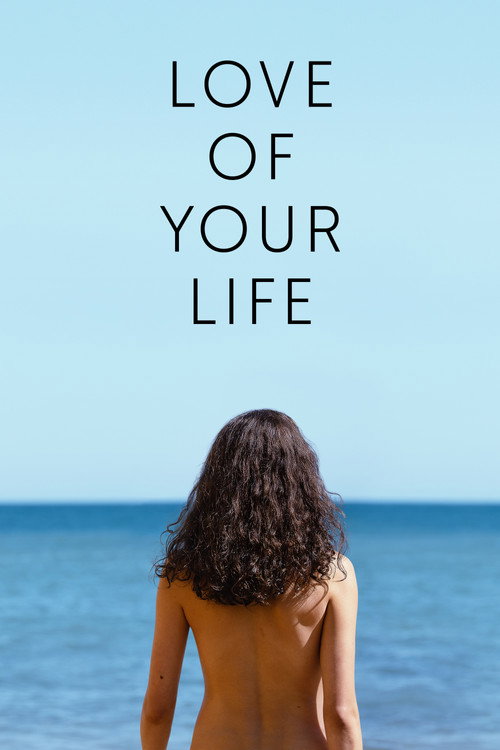
In an era where romantic dramas often fall into the trap of predictable tropes, Love of Your Life attempts to break the mold by grounding its grand gestures in the messy, unglamorous realities of long-term commitment. It is a film that asks not just how people fall in love, but how they choose to stay there when the initial sparks inevitably begin to fade.
This review examines the film’s emotional resonance, the strength of its lead performances, and whether it manages to deliver a satisfying conclusion. We break down what worked, where it faltered, and why it might just be the most divisive romance of the year.
The Anatomy of a Modern Romance
At its core, Love of Your Life is a character study disguised as a sweeping cinematic romance. The film follows the trajectory of two individuals whose lives intersect over a decade, charting the evolution of their bond from a chance encounter to the weight of shared responsibilities. Directorially, the film leans into a handheld, naturalistic style that seeks to pull the audience into the intimacy of the bedroom and the tension of the dinner table.
The narrative structure relies heavily on nonlinear storytelling, jumping between the euphoric highs of early courtship and the quiet, devastating lows of domestic stagnation. This stylistic choice is intentional; it is meant to highlight the contrast between who we are when we are seeking love and who we become once we have secured it. While some viewers may find the pacing uneven, the film remains committed to its central thesis: that love is less of a feeling and more of a deliberate, daily act of will.
The most compelling aspect of Love of Your Life is its refusal to treat the relationship as a fairy tale. It dares to show the resentment that builds in silence.
What Worked and What Did Not
What worked: The chemistry between the two leads is undeniable. They possess a shorthand that feels lived-in and authentic, making the moments of conflict feel particularly biting. The cinematography also deserves praise for its muted, melancholic palette, which perfectly mirrors the internal states of the protagonists as they navigate their growing estrangement.
Love of Your Life scene 1
What did not work: The film occasionally loses its way in the second act, where the plot becomes bogged down by secondary characters who feel more like plot devices than fully realized humans. Additionally, the dialogue veers into overly poetic territory during the film's climax, which clashes with the grounded, gritty tone established in the first ninety minutes of the movie.
The verdict: Ultimately, Love of Your Life is a worthwhile watch for those who prefer their romances served with a side of existential dread. It is not an easy film to sit through, but it is one that offers a refreshing departure from the saccharine standard often found in this genre.
Love of Your Life scene 2
What Fans Are Saying
The defenders: Many viewers have praised the film for its raw honesty, claiming that it is the most accurate depiction of a long-term relationship currently in theaters. Supporters point to the final scene as a masterpiece of subtext and emotional closure.
The critics: Conversely, detractors argue that the pacing is glacial and that the characters are inherently unlikable. For these critics, the lack of a traditional 'hero' or 'villain' makes it difficult to invest in the outcome of the central relationship.
The middle: A significant portion of the audience falls in the middle, acknowledging the technical prowess of the filmmaking while remaining frustrated by the script’s occasional descent into melodrama. Most agree that the lead actors elevate the material beyond the limitations of the screenplay.
Love of Your Life scene 3
It is a rare film that captures the exact moment a relationship shifts from 'us against the world' to 'us against each other.'
Final Thoughts
Love of Your Life is a polarizing experience, but it is an undeniably bold one. It asks difficult questions about sacrifice, personal identity, and the validity of 'happily ever after' in the real world. While it may not be the comforting watch some expect, it is a significant contribution to the romantic drama genre that will likely be discussed for years to come.
If you choose to watch, go in with the understanding that you are not being sold a fantasy. You are being invited to witness a mirror of the human condition. Whether or not that is something you want to see is entirely up to you.