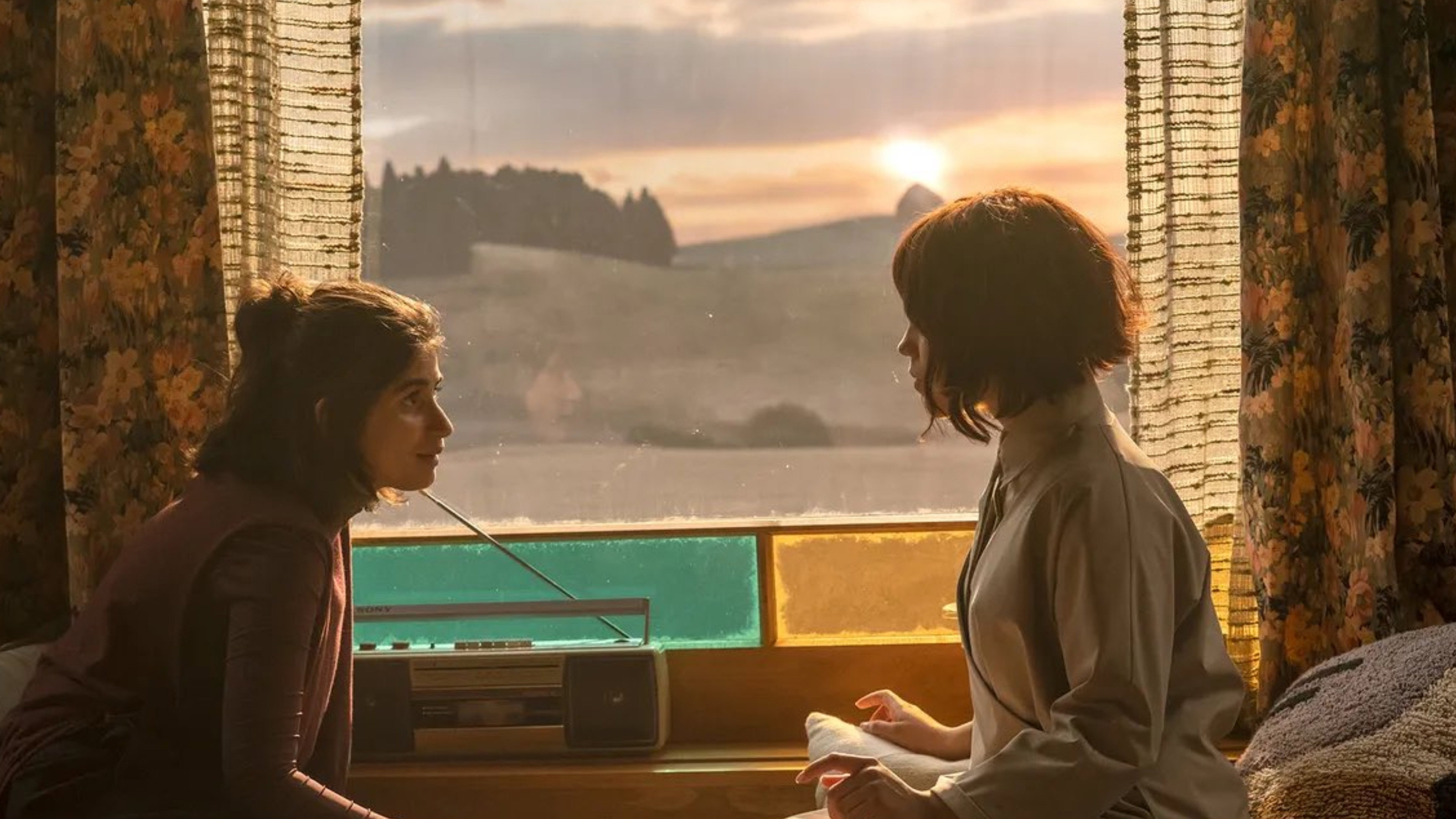
In a near-future world where children are 'lifted' through genetic editing and social isolation is the norm, an Artificial Friend named Klara waits in a store window for a purpose. Directed by Taika Waititi, this adaptation of Kazuo Ishiguro's poignant novel promises a delicate exploration of what it means to love in a post-human landscape.
This article explores the production history, the creative vision of Taika Waititi, and the thematic depth of a story that asks whether a machine can truly possess a human heart.
The Story Behind the Screen
Kazuo Ishiguro’s 2021 novel, *Klara and the Sun*, is a masterclass in subtlety and perspective. By viewing the world through the eyes of an Artificial Friend (AF)—a sophisticated solar-powered robot—the narrative strips away human arrogance to observe our fragile connections. The film adaptation seeks to capture this clinical yet deeply emotional gaze, translating Ishiguro’s spare prose into a cinematic experience that prioritizes mood over melodrama.
The creative direction under Taika Waititi has sparked significant conversation among literary fans. Known for his eclectic style ranging from the irreverent *Thor: Ragnarok* to the intimate *Jojo Rabbit*, Waititi is tasked with grounding the narrative's inherent science fiction elements without losing the quiet, existential terror that makes the source material so memorable.
The heart of the story isn't the technology, but the observation of human loneliness through a mirror that doesn't fully understand what it is reflecting.
What to Expect from the Adaptation
The narrative focus: The film remains faithful to the core journey of Klara, an AF whose primary function is to serve as a companion for lonely children. As she observes her environment from the store, she develops a profound capacity for observation and devotion that challenges the boundaries of her programming.
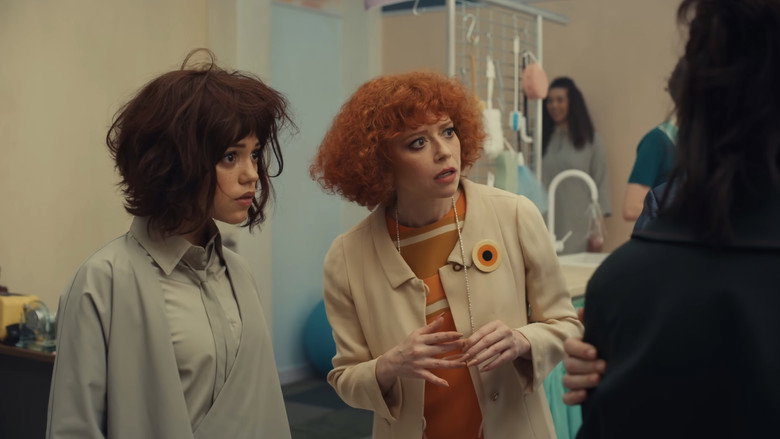
Klara and the Sun scene 1
The thematic weight: Much like the themes explored in *Ex Machina*, the film delves into the moral implications of creating sentient life to serve human convenience. The story is not merely a tale of a robot learning to be human; it is a critique of the human tendency to replace emotional labor with technology.
The Cast and Crew
The project features a stellar ensemble cast, with Mia Threapleton taking on the role of Josie, the girl who eventually chooses Klara. The production team has emphasized the importance of capturing the 'uncanny valley' quality of the AFs while ensuring the audience still forms an emotional attachment to these artificial characters.
What works in the casting: By selecting actors who can convey immense feeling through stillness, the film leans into the book’s greatest strength: its internal monologue. What didn't work: Some fans argue that the visual nature of cinema may detract from the book's specific 'distorted' perspective, which is inherently tied to the limitations of text.
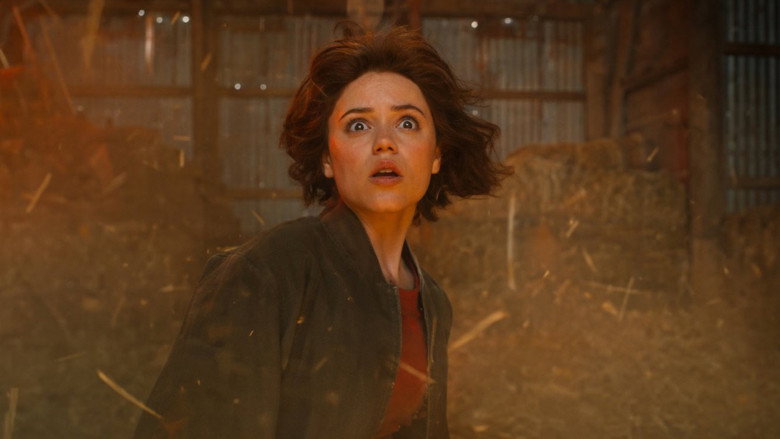
Klara and the Sun scene 2
Themes and Comparison
If you enjoy stories that dissect the intersection of humanity and synthetic consciousness, this film fits perfectly alongside other modern classics. It avoids the bombastic action of typical sci-fi, choosing instead to focus on the quiet tragedy of obsolescence. The verdict: Expect a film that is as visually sparse as it is emotionally dense, likely leaving viewers questioning the 'specialness' of the human heart.
Klara isn't just watching the sun; she is performing a ritual of hope in a world that has forgotten how to be patient.
What Fans Are Saying
The defenders: Loyal readers of Ishiguro are excited to see if Waititi can strip back his usual stylistic flourishes to allow the story to breathe. They argue that the film’s potential to reach a wider audience is a net positive for high-concept, human-centric sci-fi.
The critics: Skeptics remain wary of the tonal shift. Some critics fear that the 'Waititi touch' might clash with the clinical, reserved nature of the novel, worrying that the film could trade poignant ambiguity for forced sentimentality.
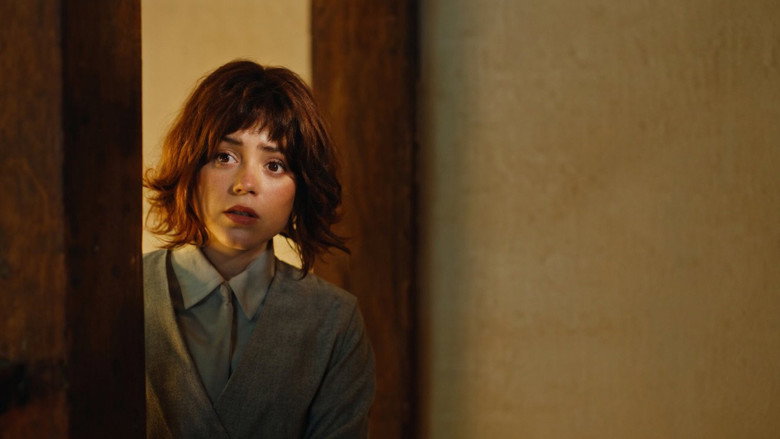
Klara and the Sun scene 3
The middle: A large portion of the audience is taking a 'wait and see' approach. They acknowledge that while the source material is impeccable, adapting an internal-monologue-heavy book into a visual medium is a monumental challenge that could go either way.
Conclusion
Whether you have read the novel or are coming in fresh, *Klara and the Sun* is poised to be one of the most intellectually rigorous films of its cycle. It invites us to consider if love is a unique human property or merely a pattern of behavior that can be learned and refined by the right algorithm.
Ultimately, this film serves as a mirror. If we find ourselves rooting for a machine to feel pain, we are forced to confront why we so often ignore the humanity in each other.