This article contains major spoilers for Interview with the Vampire. Read only if you have already seen it.
AMC's adaptation of Anne Rice's seminal work has transcended the boundaries of prestige television, evolving into a deconstruction of memory, trauma, and the nature of truth itself. While the first season set the stage, the second season elevates the narrative into a gothic masterpiece that demands your full attention.
This season masterfully balances the unreliable narrator, visceral horror, and shattering character development to become the most compelling exploration of immortality currently airing.
A Masterclass in Unreliable Narration
The brilliance of Season 2 lies in its bold decision to question the very foundation of Louis de Pointe du Lac’s testimony. By introducing the Talamasca and digging into the fallibility of human (and vampire) memory, the show transforms the act of storytelling into a high-stakes psychological game.
What worked: The decision to lean into the subjective nature of history allows the audience to witness two versions of the same past. When Claudia faces her own reflection of the truth, the series captures a sense of tragedy that the original novel only hinted at. It is, quite simply, the most sophisticated adaptation of Rice's world to date.
The show is not just adapting a book; it is interrogating the very act of autobiography through a lens of blood and eternal misery.
The Chemistry of Immortality
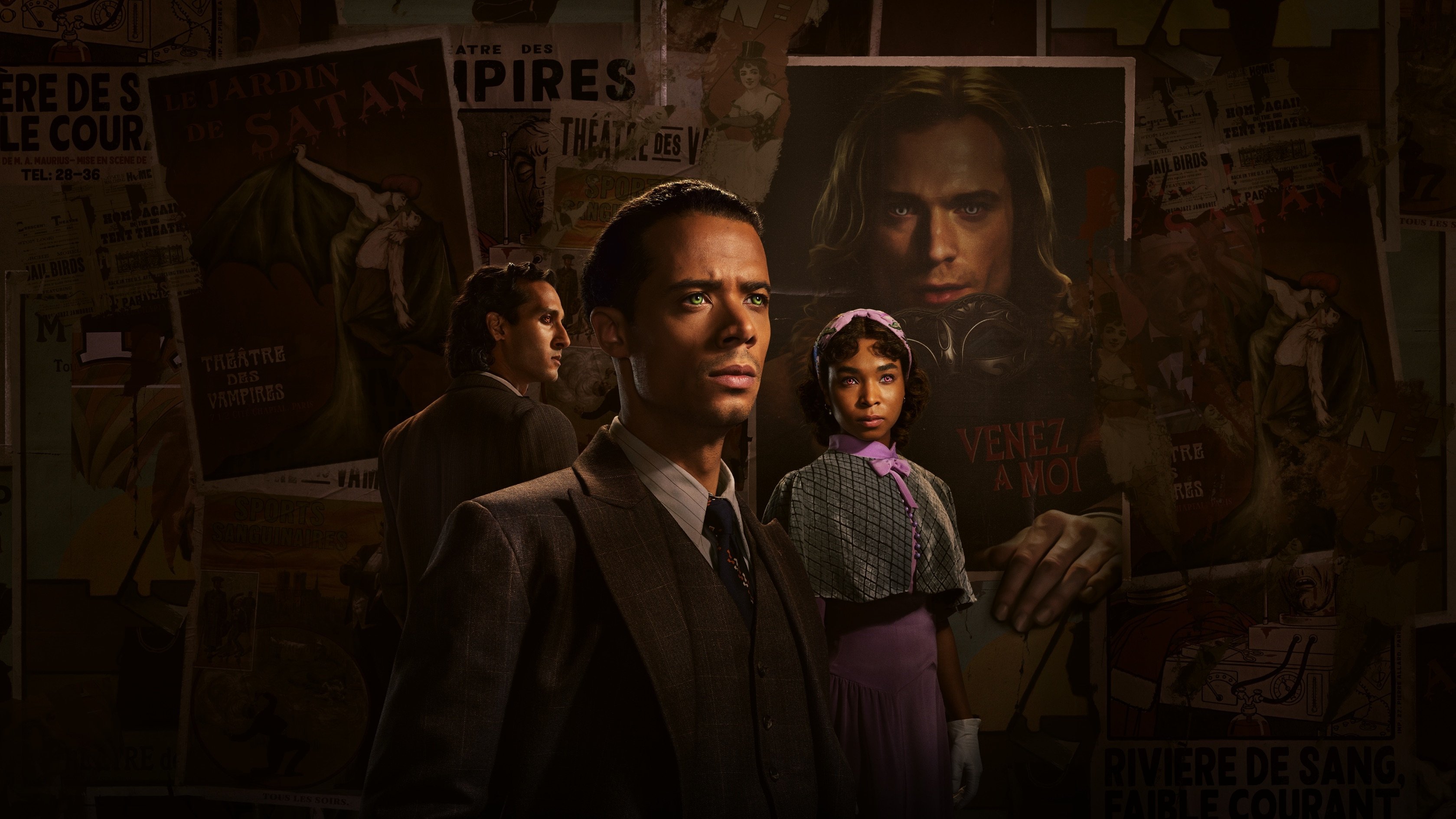
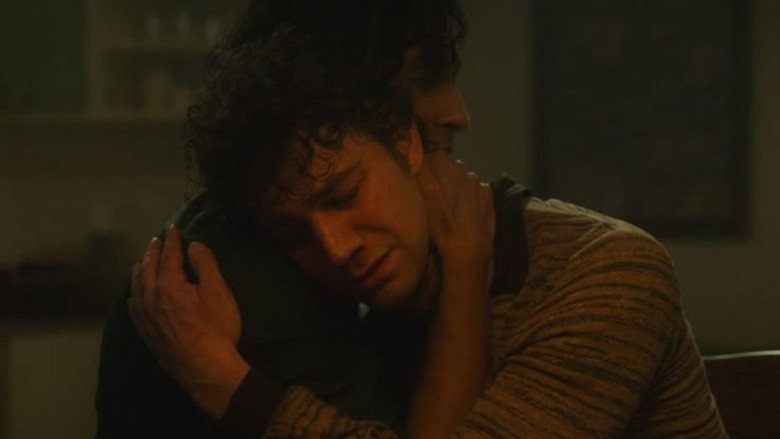
Central to the success of this season is the blistering, toxic, and undeniable chemistry between the leads. The expansion of the coven in Paris provides a dark, theatrical backdrop that mirrors the internal fracturing of our central trio. The performances don't just feel like acting; they feel like archival footage of a doomed epoch.
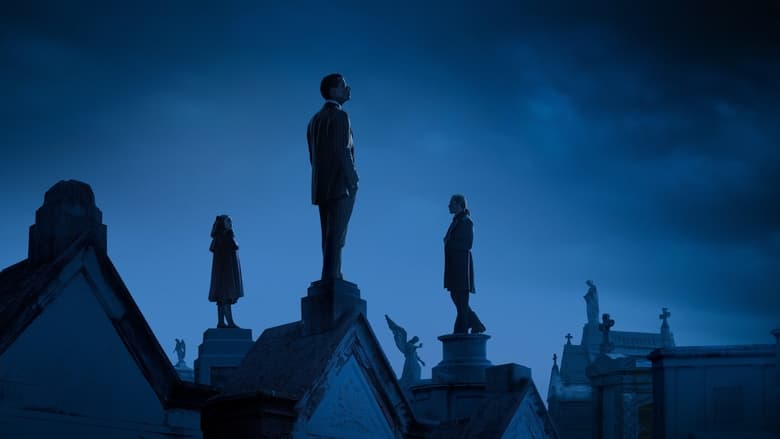
Interview with the Vampire scene 1
What did not work: While the pacing in the middle episodes slows to accommodate the dense philosophical debates of the coven, some viewers may find the transition from the frantic energy of New Orleans to the slow-burn theatricality of Paris jarring. However, this shift is intentional, reflecting the characters' descent into an aesthetic stagnation that eventually leads to their undoing.
The Burden of Memory
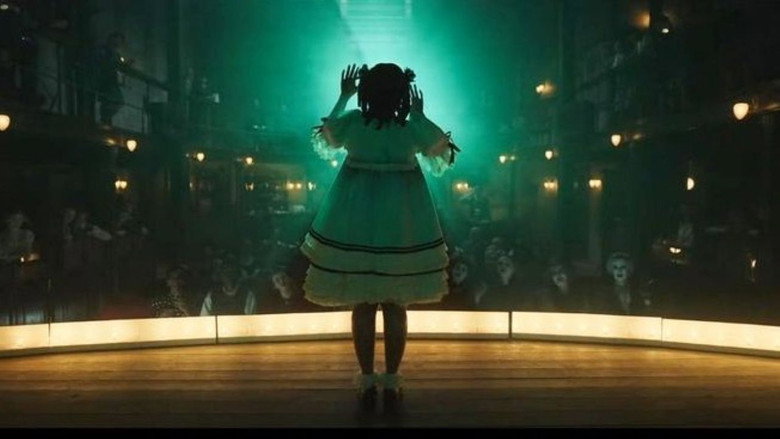
Season 2 excels at showing how the past is never truly gone, especially when you have an eternity to ruminate on your mistakes. The flashback sequences are not merely exposition; they are haunting manifestations of guilt. The visual language of the show, which uses color palettes to distinguish between 'true' memories and manipulated tales, is a triumph of modern cinematography.
Interview with the Vampire scene 2
As the seasons progress, it becomes clear that Louis is not merely telling his life story—he is fighting for the right to define his own existence in the face of his maker.
What Fans Are Saying
The defenders: Fans of the series argue that this is the best genre television of the decade, praising the show for its unapologetic commitment to the source material's darker, more queer-coded themes. They point to the meticulous set design and the razor-sharp dialogue as evidence of a production team operating at the height of its powers.
The critics: Some traditionalists have expressed frustration with the divergence from the specific plot points of the 1976 novel. They argue that the heavy focus on the trial of the vampires in Paris shifts the tone away from the grounded horror of the first season and into a more surreal, meta-narrative territory.
The middle: A growing consensus believes that whether or not you agree with the creative choices, the sheer technical quality of the acting and direction makes this essential viewing. Even those who dislike the changes admit that the portrayal of Lestat is a career-defining performance for Sam Reid.
Interview with the Vampire scene 3
The Verdict
The verdict: Season 2 stands as a gothic landmark. By embracing the complexity of its characters and refusing to offer easy answers about morality or love, it invites the audience to participate in the storytelling. It is a bold, challenging, and profoundly beautiful piece of art.
Ultimately, this season reminds us that the best stories are the ones that refuse to leave our heads. Interview with the Vampire does not just entertain; it haunts. As we look toward the future of this franchise, it is clear that we have only scratched the surface of what this dark, beautiful, and deeply human show can achieve.