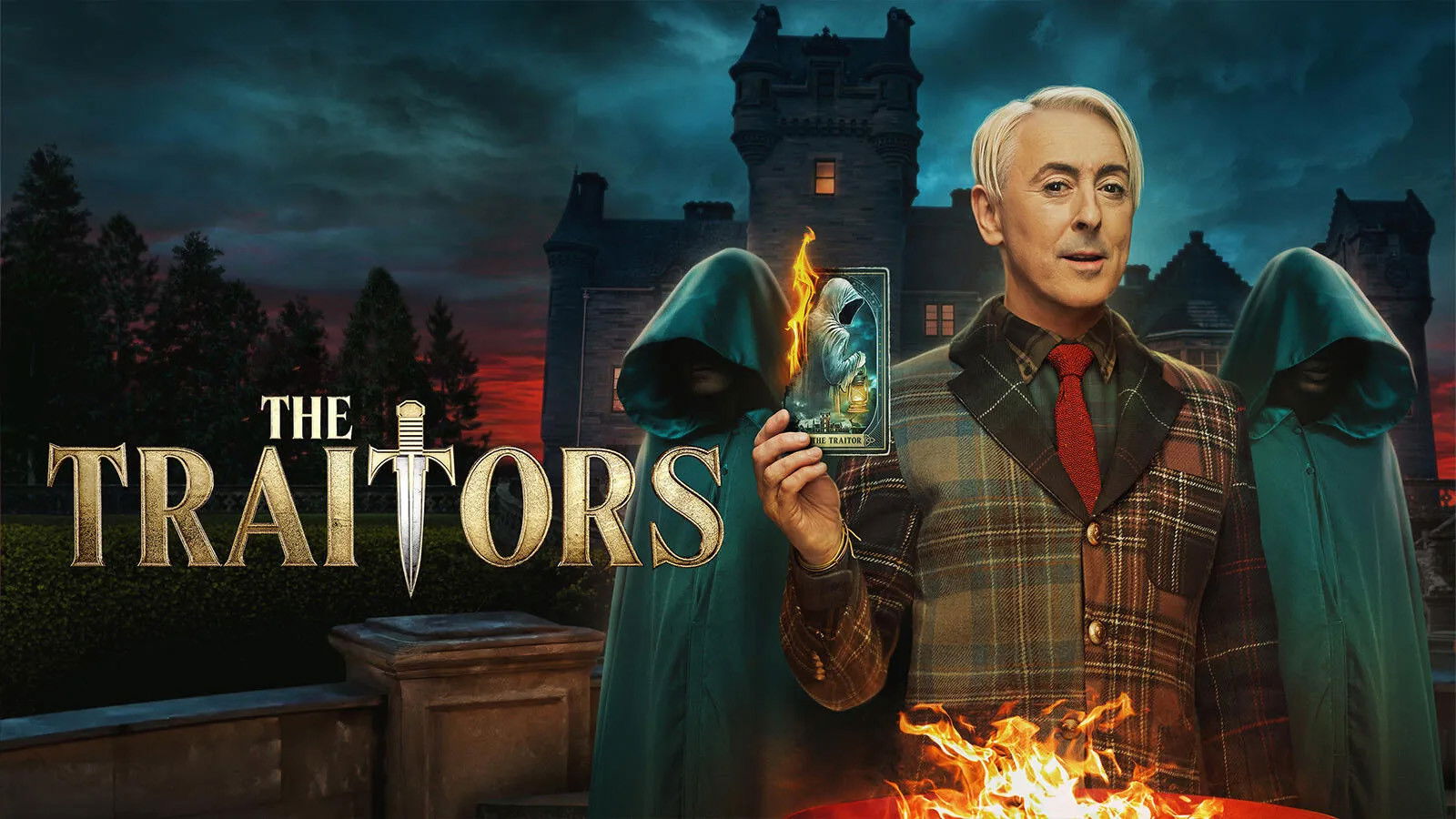
The Traitors has redefined the reality competition genre by turning the traditional social game into a high-stakes psychological thriller. Between the murder mysteries, the shifting alliances, and the constant fear of being caught, it is the ultimate television exercise in paranoia and deception.
If you have finished the latest season and need something new, these five shows capture that same cutthroat intensity, psychological manipulation, and deceptive gameplay that made The Traitors an instant cultural phenomenon.
The Challenge: USA
If you appreciate the physical intensity of the challenges in The Traitors but want a more established, high-stakes competition structure, The Challenge: USA is your best next stop. By pitting reality stars from various franchises against one another, it creates immediate friction and pre-existing rivalries that elevate the gameplay.
The social engineering is just as lethal here as it is in the Scottish Highlands. Players are forced to align, betray, and pivot their loyalties to survive elimination rounds that often come down to sheer grit and complex political maneuvering.
The strategy isn't just about winning a game; it is about building a resume that keeps you safe when your back is against the wall.
Survivor (US)
You cannot discuss the blueprint of social deception without mentioning the titan of the genre. Survivor remains the gold standard for long-form social manipulation where one wrong word or an ill-timed vote can end your game in an instant.
The Traitors scene 1
What makes it essential for fans of The Traitors is the meticulous attention to social signaling and the use of hidden advantages. The game rewards those who can build genuine rapport while secretly plotting the downfall of their closest allies.
The Mole
If your favorite part of The Traitors is the central mystery of who is sabotaging the group, then The Mole is the closest thematic cousin you will find. This classic format centers on a group of players attempting to complete challenges while one hidden saboteur—the Mole—tries to ruin their efforts from within.
What worked: The heightened sense of distrust that permeates every group interaction. What did not work: Some viewers may find the focus on daily tasks distracting compared to the narrative-heavy approach of The Traitors. The verdict: It is a must-watch for anyone who enjoys catching subtle shifts in body language and hidden agendas.
The Traitors scene 2
Every handshake in this game is a potential trap, and every missed challenge is a clue that leads to nowhere.
Big Brother
For those who want to see the social game played in real-time, Big Brother offers the most immersive experience available. Because the cast lives together in a confined space for months, the layers of deception are significantly more complex and psychologically taxing than in shorter formats.
The defenders: Fans argue that the house dynamic creates a unique pressure cooker environment where secrets cannot be kept forever. The critics: Some feel the show can become repetitive during the slower middle weeks. The middle: If you are here for the backstabbing and alliance shifting, there is no show that does it better.
The Trust: A Game of Greed
This hidden gem leans heavily into the morality play aspect of reality competition. A group of strangers is given a sum of money to share, but they are also given the power to vote each other out—and potentially steal each other's share of the pot.
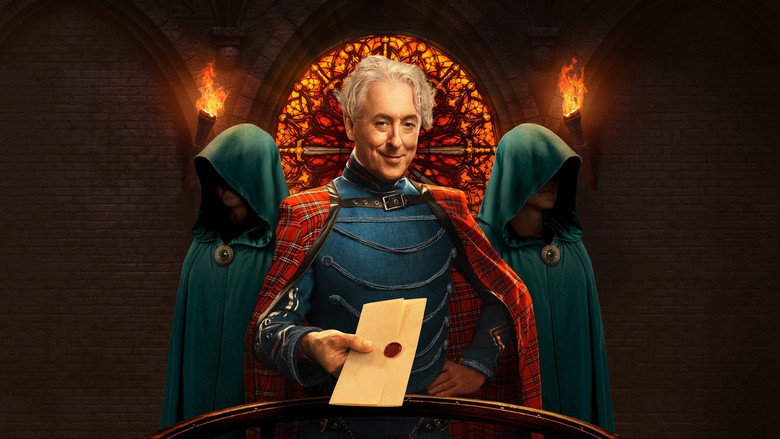
The Traitors scene 3
It feels like a social experiment gone wrong in the best way possible. Watching the contestants try to reconcile their greed with the necessity of appearing trustworthy is a masterclass in human psychology that mirrors the most intense moments of The Traitors.
Final Thoughts
Finding a show that captures the perfect balance of humor, terror, and strategy is difficult, but this list provides the perfect starting point. Whether you are looking for physical danger or pure social sabotage, these shows will keep you guessing until the final reveal.
Always trust your gut when watching these contestants; in the world of high-stakes reality TV, the loudest person in the room is rarely the one you should actually be worried about.