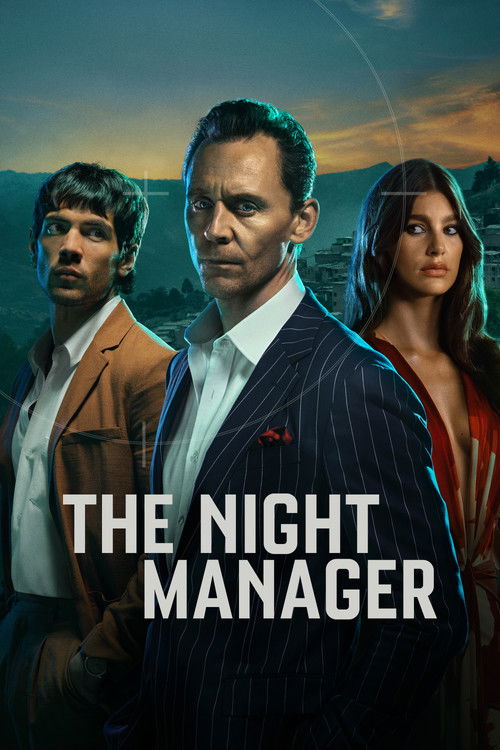
The Night Manager redefined the modern spy thriller by trading mindless action for a tense, slow-burn cat and mouse game set against the backdrop of global arms dealing. It remains a masterclass in atmosphere and character-driven stakes, proving that the most lethal weapons are often hushed conversations in opulent rooms.
If you crave the same meticulous tension, moral ambiguity, and high-stakes espionage, these five series offer the perfect follow-up. We have curated a selection of cerebral dramas that prioritize intelligence, patience, and impeccable performance over explosions.
The Spy Who Came in from the Cold
Le Carre remains the gold standard for anyone seeking a departure from the gadget-heavy tropes of traditional action films. His work centers on the crushing weight of institutional deception and the toll it takes on the individual soul. If you appreciated the way The Night Manager layered its narrative through deep-cover machinations, this adaptation of his seminal work serves as the foundational blueprint for the entire genre.
What worked: The adaptation captures the bleak, freezing reality of mid-century intelligence work with terrifying precision. Richard Burton delivers a performance that feels as worn and fraying as the character’s psyche, stripping away the glamour of the secret agent archetype to reveal the hollow bureaucracy beneath.
The most lethal weapon in espionage is not a gun or a gadget, but the inevitable betrayal that waits for every operative in the field.
Tinker Tailor Soldier Spy
This is arguably the most cerebral spy drama ever put to film. It demands your absolute attention, forcing the viewer to piece together a fragmented puzzle of moles and counter-intelligence alongside George Smiley. Much like Pine’s journey into Richard Roper’s inner circle, this film relies on subtle gestures, micro-expressions, and the agonizing accumulation of evidence to reveal the rot within the British intelligence service.
The Night Manager scene 1
What worked: The film relies on a heavy, oppressive sense of dread that permeates every frame. What did not work: The sheer density of the plot can be polarizing for viewers seeking quick answers or clear-cut heroics. The verdict: This is a masterpiece of restraint that rewards the patient viewer with one of the most satisfying slow-burn payoffs in cinematic history.
The Americans
While technically a period piece about Cold War KGB officers living in suburban Washington D.C., The Americans occupies the same psychological space as the best spy thrillers. It focuses on the domestic toll of maintaining a double life, mirroring the way Jonathan Pine had to reconcile his morality with the monstrous demands of his cover. The tension here stems from the constant threat of discovery by the neighbor living right next door.
What worked: The evolution of the lead characters from mere soldiers to complex human beings caught between competing ideologies is unparalleled. The critics: Some argue the series is too long, but the slow immersion is exactly what makes the eventual climax so devastating.
The Night Manager scene 2
In the world of deep cover, your primary relationship is a mission objective, and your best friend is usually your greatest liability.
Slow Horses
For those who prefer their spy drama with a side of biting cynicism and dark humor, this series is essential viewing. It focuses on the disgraced agents relegated to Slough House, a dumping ground for MI5 rejects. While the tone is distinctly more irreverent than The Night Manager, the underlying mechanics of intelligence failure, political scapegoating, and the grimy reality of field work are handled with surgical accuracy.
What worked: Gary Oldman’s performance as the abrasive Jackson Lamb is a cynical revelation. He embodies the burned-out veteran who sees through every facade, providing a much-needed grounding force when the plots spiral into chaotic territory.
The Night Manager scene 3
The Little Drummer Girl
Directed by Park Chan-wook, this adaptation brings a distinct visual flair to the world of Le Carre. The series follows an actress recruited into a complex plot involving an Israeli intelligence operation, echoing the way a civilian is thrust into a world they are fundamentally unequipped to handle. It is a visually arresting, neon-soaked exploration of identity and radicalization that matches the high-fashion intensity of The Night Manager.
What worked: The direction elevates a standard espionage premise into a haunting meditation on the performance of self. The defenders: Fans of high-concept visual storytelling often cite this as the most beautiful spy miniseries of the last decade. The middle: Some find the pacing deliberate to a fault, yet that very speed is intentional to reflect the protagonist's disorientation.
The Final Word
The best spy stories rarely focus on the mission itself, but rather on the erosion of the self required to succeed. Whether through the cold isolation of the Cold War or the corporate greed of modern arms trading, these selections prove that the human cost of the game is the most compelling element of all. Choose your next watch carefully, as once you step into these labyrinthine worlds, there is often no going back to simple entertainment.