The Dog Stars captures a specific kind of quiet devastation, focusing on the intimate struggle for meaning in a world scrubbed clean by pandemic. It is a story where the silence of a dying planet is just as loud as the grief of its last survivors, prioritizing character interiority over bombastic action.
If you were drawn to this meditative atmosphere of solitude, these five films masterfully balance post-apocalyptic dread with the fragile persistence of human hope.
The Road (2009)
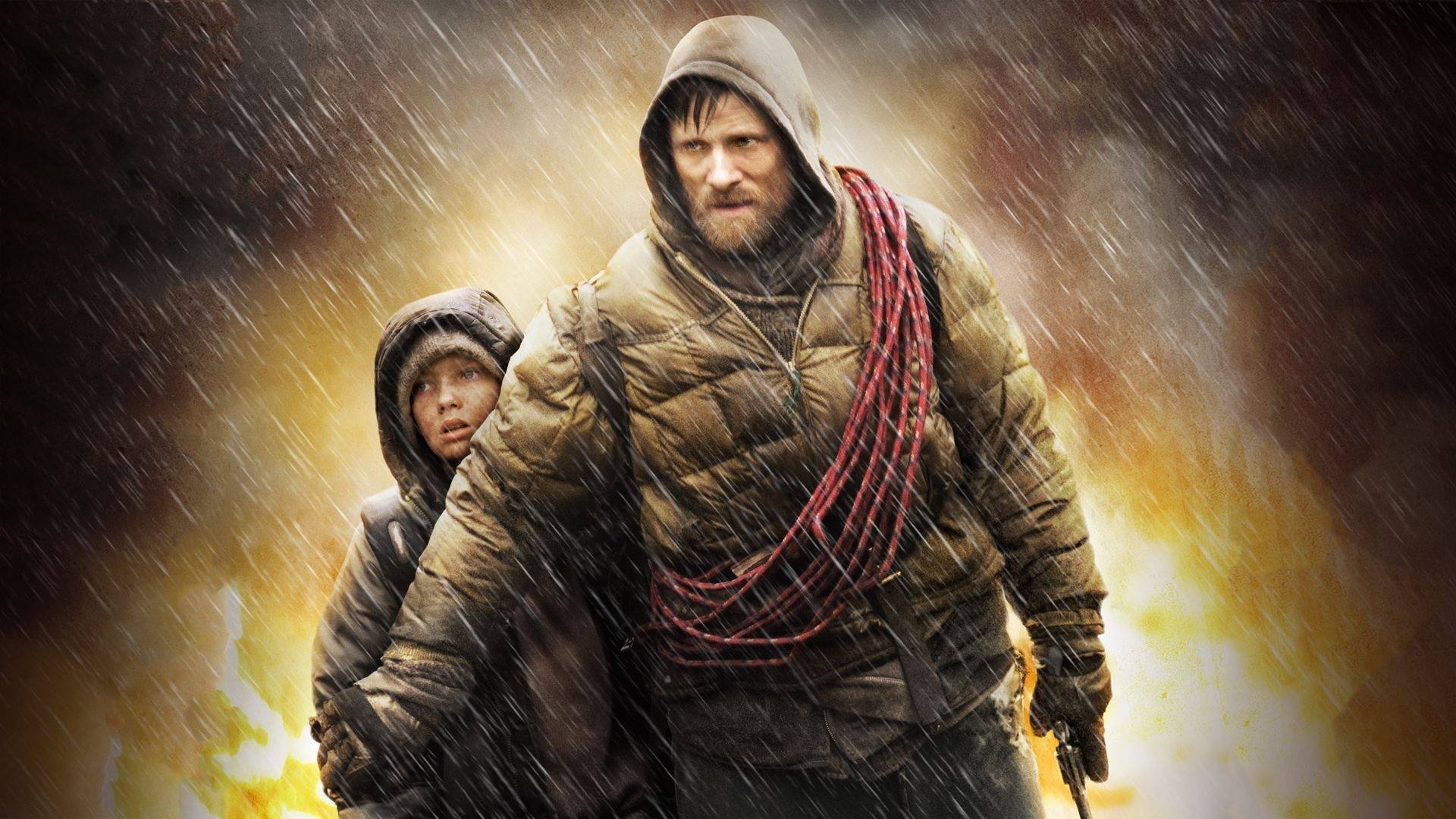
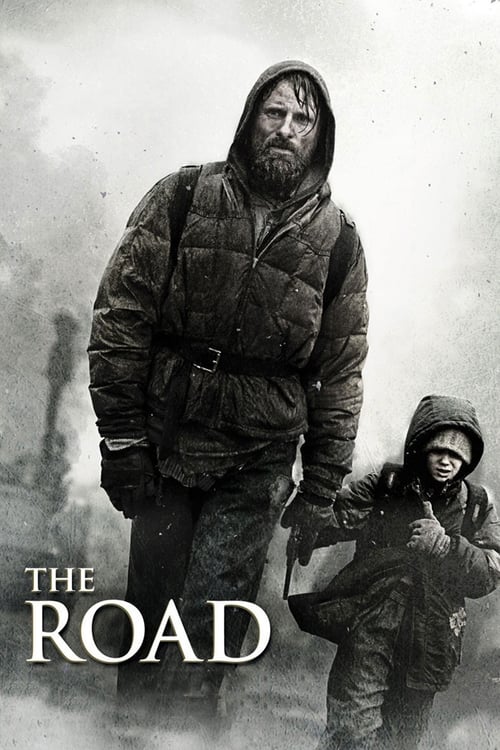
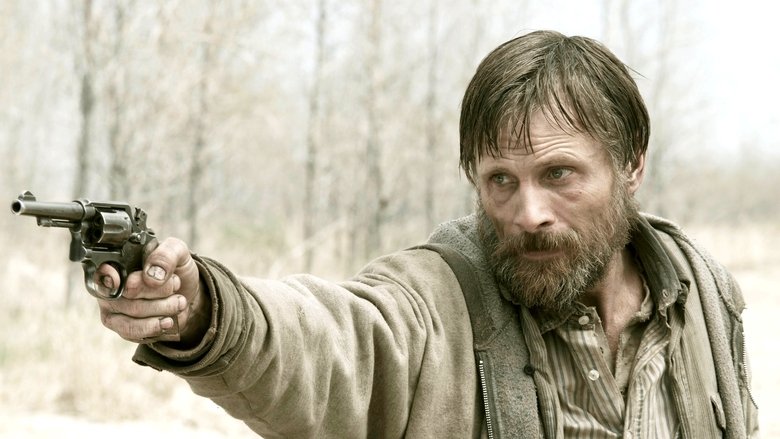
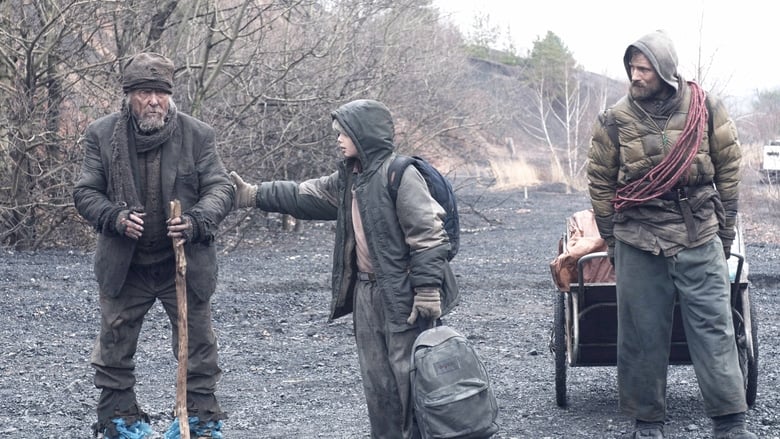
Perhaps the most direct companion to The Dog Stars, John Hillcoat’s adaptation of Cormac McCarthy’s novel is a relentless, harrowing descent into a gray, dying world. The film follows a father and his young son as they traverse a ruined American landscape toward the coast, clinging to their humanity despite constant threats of starvation and cannibalism.
What worked: The film captures the suffocating bleakness of the source material while maintaining a raw, emotional core through the performances of Viggo Mortensen and Kodi Smit-McPhee. What did not work: Some viewers find the pacing too repetitive, though that is precisely the point of the characters' grueling journey. The verdict: An essential, albeit devastating, watch for anyone who appreciates the survival-first focus of Heller’s prose.
The world was gray. It was always gray. The sky was gray. The sun was gray. The ash was gray. It was a world that had forgotten its own color.
Children of Men (2006)
Alfonso Cuarón’s masterpiece shifts the focus from a natural apocalypse to a sociological one: global infertility. When a woman miraculously becomes pregnant in a world without children, a cynical bureaucrat must escort her to safety through a landscape torn apart by xenophobia and collapsing governments.
The Road scene 1
The standout quality: Much like the pilot-protagonist in The Dog Stars, the main character here begins as an indifferent survivor who is slowly forced to care about the survival of the species. The technical achievement of the long-take action sequences grounds the high-concept premise in a gritty, tactile reality that feels disturbingly plausible.
If you were drawn to the sense of purpose that emerges from the wreckage of the world, this film is the gold standard for blending high-stakes thrillers with profound existential stakes.
A Quiet Place (2018)
While often categorized as a creature feature, this film operates as a deep dive into the quiet, domestic routines of survival in an altered world. The Abbott family must live in near-total silence to avoid blind, sound-sensitive predators, resulting in a narrative that emphasizes non-verbal communication and the sanctity of the family unit.
The thematic link: The film echoes the "small-scale" survivalism of The Dog Stars. It isn't about saving the world; it is about protecting the tiny bubble of normalcy that keeps you human when the outside environment has become fundamentally hostile.
The Road scene 2
Leave No Trace (2018)
While not strictly a post-apocalyptic film, Debra Granik’s drama captures the exact aesthetic of isolated, off-the-grid survival found in the middle portions of The Dog Stars. The story follows a father and daughter who live in the forest outside Portland, intentionally detached from the rest of society.
What worked: The film treats the wilderness not as a threat, but as a sanctuary, mirroring the protagonist's relationship with the natural world in Heller's novel. The verdict: If you are looking for the "day-to-day" survival mechanics and the emotional complexity of living away from civilization, this is a quiet, powerful masterpiece.
The Road scene 3
Stalker (1979)
Andrei Tarkovsky’s classic is the ultimate meditative sci-fi film. It follows a "Stalker" who leads two men into the "Zone," a mysterious, sentient place where the laws of physics don't apply and where one’s deepest desires can supposedly be granted.
The deep dive: Like the interior monologues of The Dog Stars, Stalker is more concerned with the philosophical journey of its characters than the physical landscape. It is a slow, hypnotic exploration of faith, regret, and what happens to people when they are confronted with an environment that refuses to adhere to their expectations of reality.
The most precious things are those that cost us nothing, because we cannot pay for them with any amount of money.
Ultimately, these films serve as mirrors to the specific melancholy of the post-apocalyptic genre. Whether exploring the brutal necessity of movement in The Road or the philosophical entrapment of Stalker, these stories remind us that survival is only half the battle. The true test of the human spirit lies in what we choose to carry with us—whether it is a plane, a child, or a belief in something better—when everything else has turned to dust. Hold onto what makes you human.