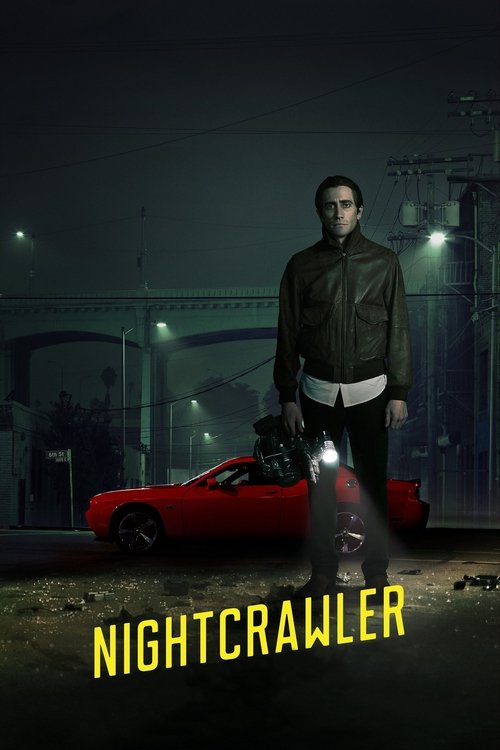
This article contains major spoilers for Nightcrawler. Read only if you have already seen it.
Dan Gilroy’s Nightcrawler paints a chilling portrait of a sociopathic videographer who turns tragedy into a profitable business model. It is a film that exposes how far human decency bends when the camera is rolling and the price is right.
If you are drawn to the predatory nature of the news cycle and moral bankruptcy of fame, these five films offer an equally haunting look into the void of the media-obsessed landscape.
The Price of the Perfect Shot
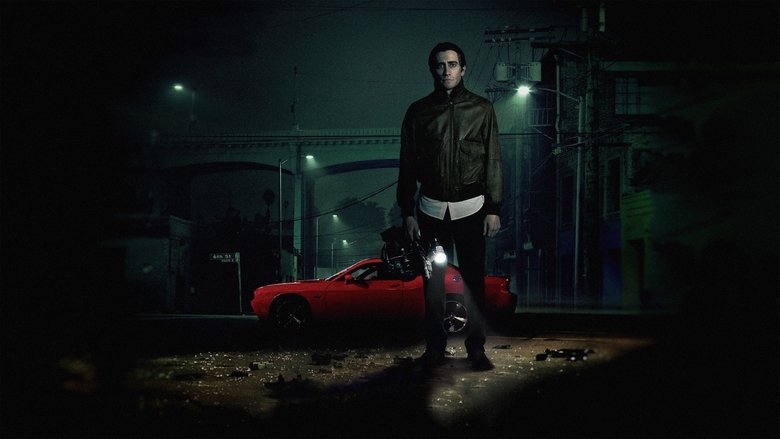
The allure of Nightcrawler lies in its unflinching examination of the American dream distorted through a lens of pure sociopathy. Louis Bloom is not a monster born from the shadows but a product of an economy that rewards those willing to exploit human suffering. When we watch him maneuver through the streets of Los Angeles, we are not just watching a character study, but an indictment of the audience that demands visceral content at any cost.
What worked: The film manages to be both a sleek thriller and a biting satire, forcing the viewer to confront their own voyeuristic tendencies. The verdict: It remains the gold standard for films dealing with the ethics of journalism.
The thing about luck, Joe, is that it is not something that happens to you. It is something you create.
Ace in the Hole (1951)
Long before Louis Bloom prowled the streets of LA, Billy Wilder gave us Chuck Tatum, a cynical reporter who finds a man trapped in a collapsed cave and decides to drag out the rescue for the sake of a front-page story. This is the blueprint for the media ghoul archetype, where the journalist is more dangerous than the disaster they are covering.
Nightcrawler scene 1
Why it matches: It perfectly captures the rot at the center of the press corps. The critique: Much like Nightcrawler, the film posits that the public's thirst for spectacle is the engine that drives such sociopathy. The film is a masterclass in building tension through sheer manipulation.
Network (1976)
Sidney Lumet’s satirical masterpiece is perhaps the most prophetic film ever made about television. It depicts a network that turns a deranged news anchor into a prophet simply because his public breakdown drives up ratings. It is less about the gore of the street and more about the institutionalized exploitation of the human psyche for advertising revenue.
The thematic link: Both films explore the transformation of real human trauma into a product for mass consumption.
You are all miserable people. I have to make you miserable to make a profit, and the public loves it.
Nightcrawler scene 2
Broadcast News (1987)
While often categorized as a romantic comedy, this film offers a far more insidious look at the news business than most realize. It contrasts a talented, ethical producer with a charismatic but vapid anchor who understands that looking the part is more important than knowing the facts. It is the polite, polished version of the same rot found in Nightcrawler.
What it explores: The slow erosion of journalistic integrity in the face of entertainment values. The tension: The battle here is between substance and style, with style winning every time.
Nightcrawler scene 3
The King of Comedy (1982)
Martin Scorsese and Robert De Niro created a different kind of media monster with Rupert Pupkin, a man so obsessed with becoming famous that he is willing to kidnap a talk show host to get his big break. While not focused on the news, it shares the exact same DNA regarding the dangerous intersection of delusion and public attention.
Why you need to watch: It is arguably the most uncomfortable film on this list because it forces you to identify with a person who has absolutely no grasp of reality or morality.
Better to be king for a night than a schmuck for a lifetime.
Final Thoughts
These films serve as a dark mirror to our own habits as consumers of information and spectacle. They highlight a recurring fear in cinema: that the people controlling the camera are the ones we should fear the most. The moral is simple yet terrifying: as long as we keep watching, they will keep filming, regardless of the blood on the lens.